Time management is one of the most important skills for Sixth Form students. Balancing A Level courses, independent study, co-curricular commitments, and personal life can be challenging, but with the right strategies, students can work efficiently, reduce stress, and feel in control of their workload.
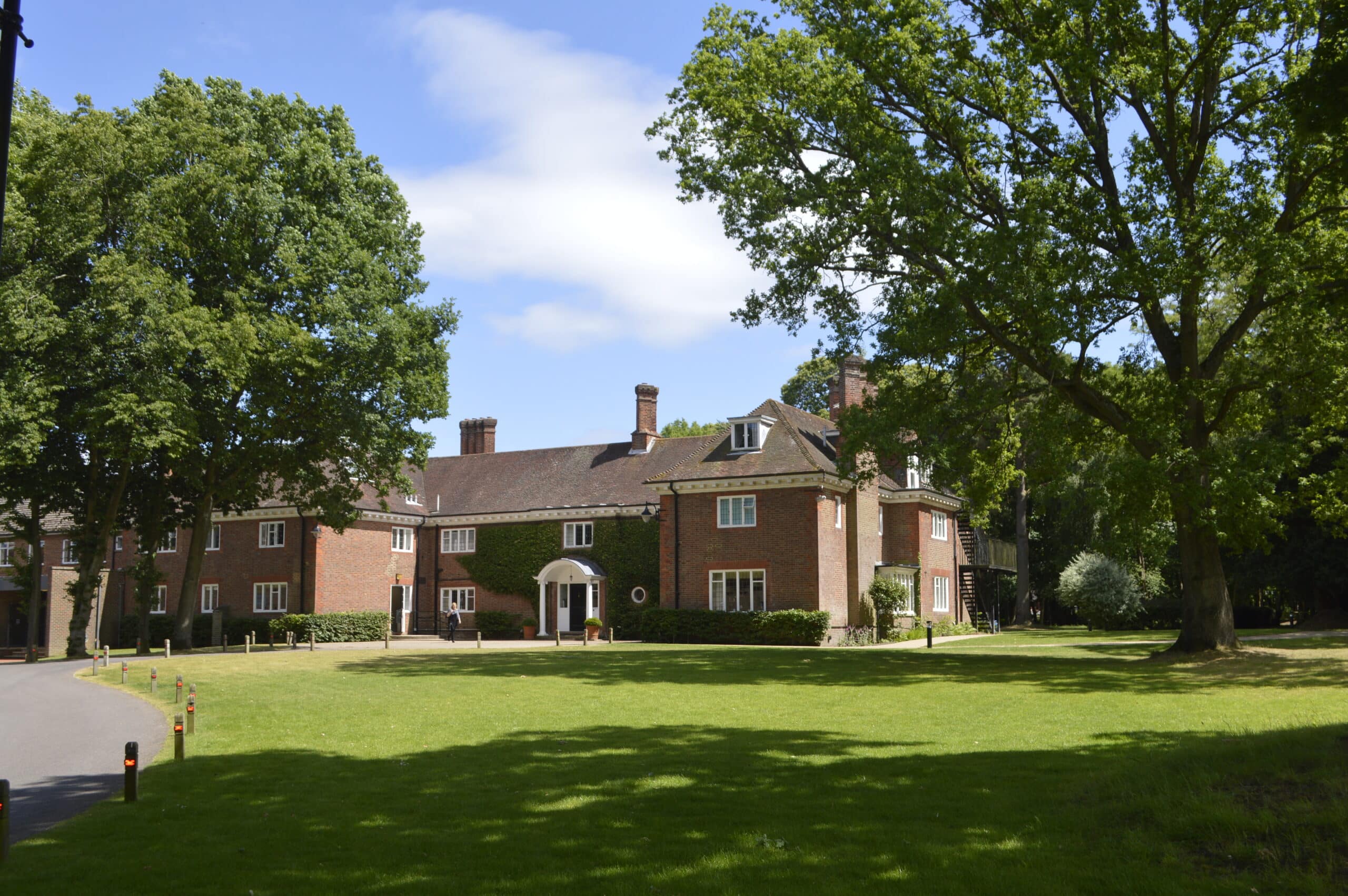
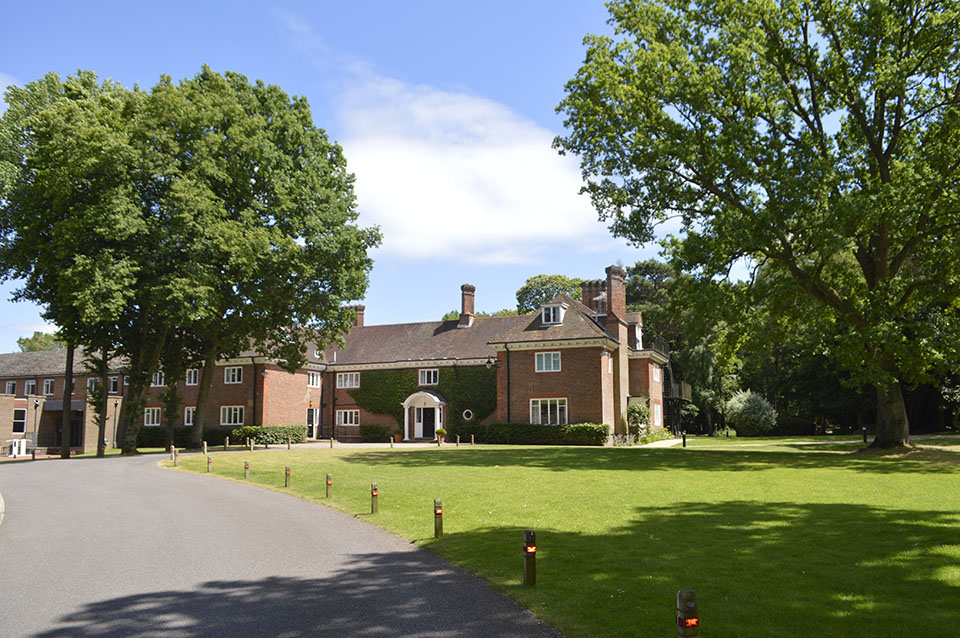
At Luckley House School, an Independent Sixth Form in Berkshire, we encourage students to develop strong time management habits that support both academic success and personal wellbeing. Here are five practical strategies for Sixth Form students.
Learn More1. Prioritise
Not all tasks are equally important, and recognising this is key to managing time efficiently. Start each day by making a list of everything that needs to be done, and then decide which tasks are urgent and which can wait.
Prioritisation also involves being realistic about what you can achieve in a day. Overloading your schedule can lead to frustration or burnout. A simple technique is to use categories such as “must do today,” “should do this week,” and “can be scheduled later.” This method helps you visualise what is most important and encourages thoughtful planning, so you are always working on what matters most
2. Use a Planner or Digital Calendar
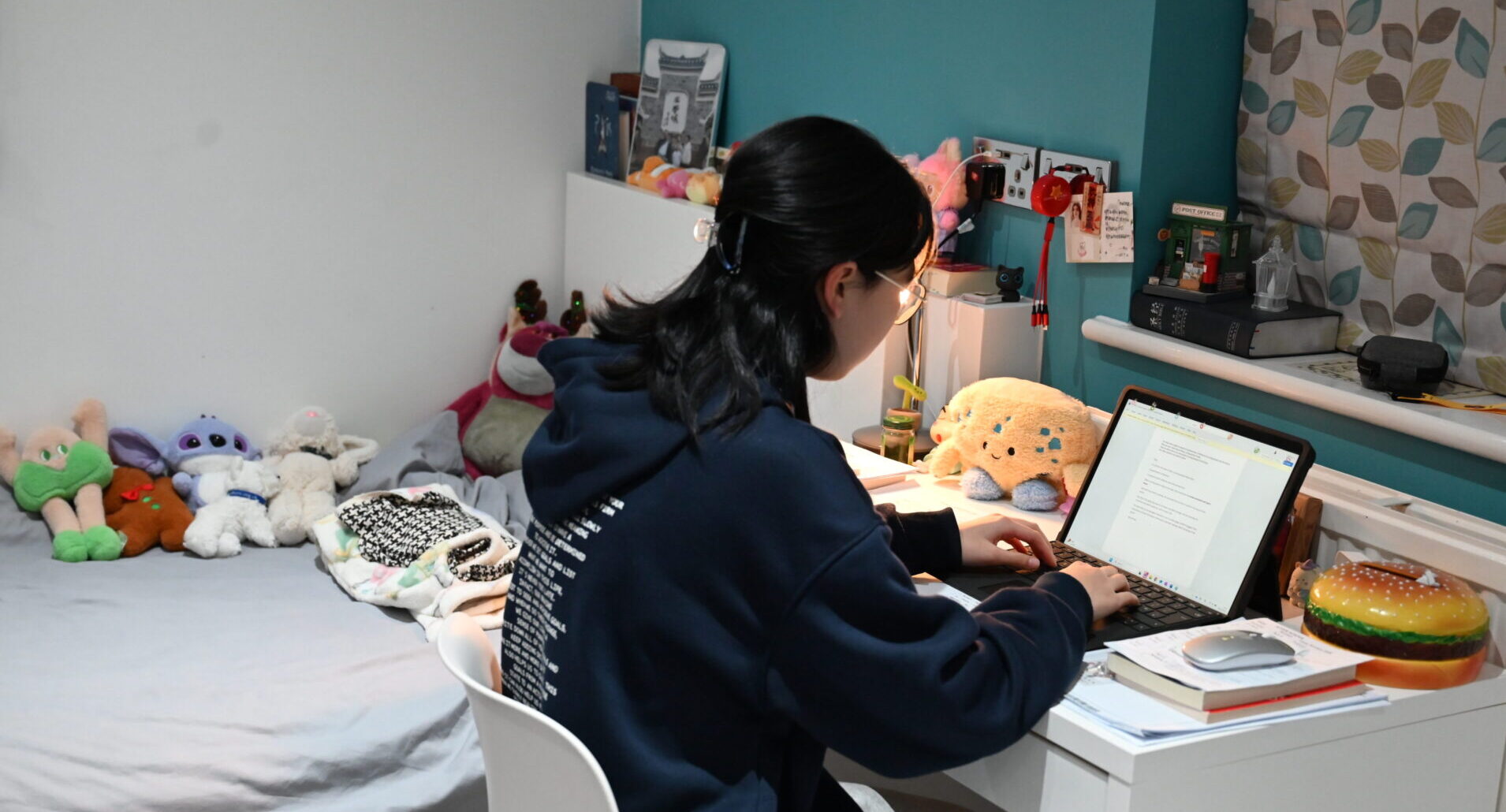
Organisation is essential for balancing multiple commitments, especially when juggling several A Level subjects. A planner or digital calendar like Google Calendar allows you to track deadlines, plan study sessions, and visualise your week. You might find it helpful to colour-code tasks by subject or type of activity, which makes it easier to see at a glance what requires attention.
Reviewing your schedule regularly ensures you stay on top of work and can make adjustments when unexpected tasks or opportunities arise. For example, if a sports commitment or a revision session overlaps with another activity, you can reallocate your time without falling behind.
3. Find your flow
Sometimes, starting a large or challenging task can feel daunting, and it’s natural to pause before diving in. One helpful technique is the “five-minute rule”: simply commit to working on a task for just five minutes. Often, the hardest part is getting started, and once you begin, momentum builds naturally, making the task feel much more manageable.
Another effective strategy is to combine focused study sessions with short breaks, often called the Pomodoro Technique. For example, work for 25 minutes and then take a five-minute break. This approach helps maintain concentration, prevents mental fatigue, and allows you to sustain effort over longer periods. By establishing small, structured steps and taking regular breaks, students can approach work with confidence, stay productive, and make steady progress toward their goals.
4. Make Time for Rest
Effective time management is about maintaining balance and wellbeing. Taking regular breaks, engaging in co-curricular activities, exercising, and getting sufficient sleep all contribute to better focus and energy. Overworking without breaks can lead to burnout, reduced productivity, and lower information retention.
Reflection is equally important. Take time to review how you spend your day or week and consider what worked well and what could be improved. Reflecting on your habits allows you to identify patterns, adjust strategies, and celebrate successes, even small ones. By understanding your own rhythms and preferences, you can plan study sessions that maximise concentration and make your overall approach to learning more efficient and sustainable.
5. Seek Support and Use Available Resources
Even the most organised students sometimes benefit from guidance or extra tools. Asking for support, whether from teachers, tutors, or peers, can help clarify expectations, provide new strategies, and keep you on track. Using available resources helps you develop more effective study habits and build confidence in your abilities.
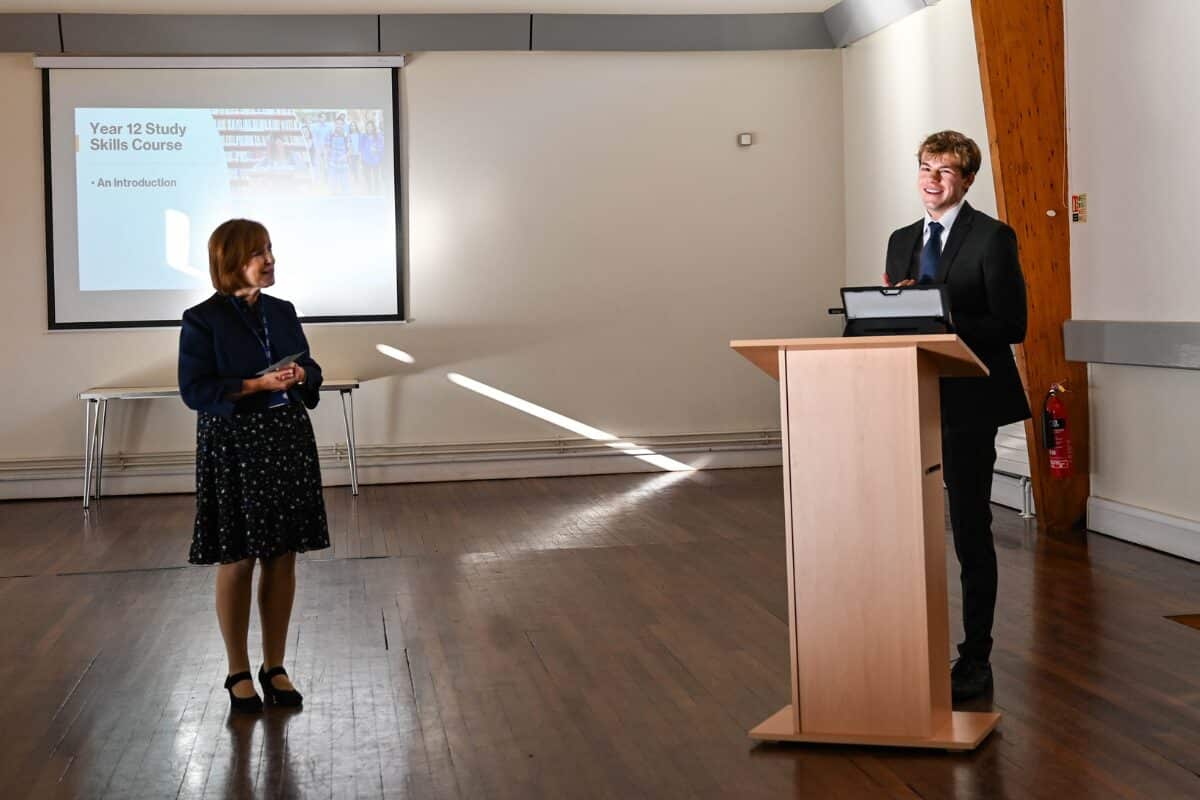
At Luckley House, Sixth Form students can access the Six Week Study Skills Course, a bespoke programme designed to support independent learning and effective time management. The course teaches students how to focus on tasks that maximise their efforts, interpret feedback constructively, and establish productive academic habits. By building self-sufficiency and resilience, students not only improve their academic performance but also gain skills that will serve them well beyond school.

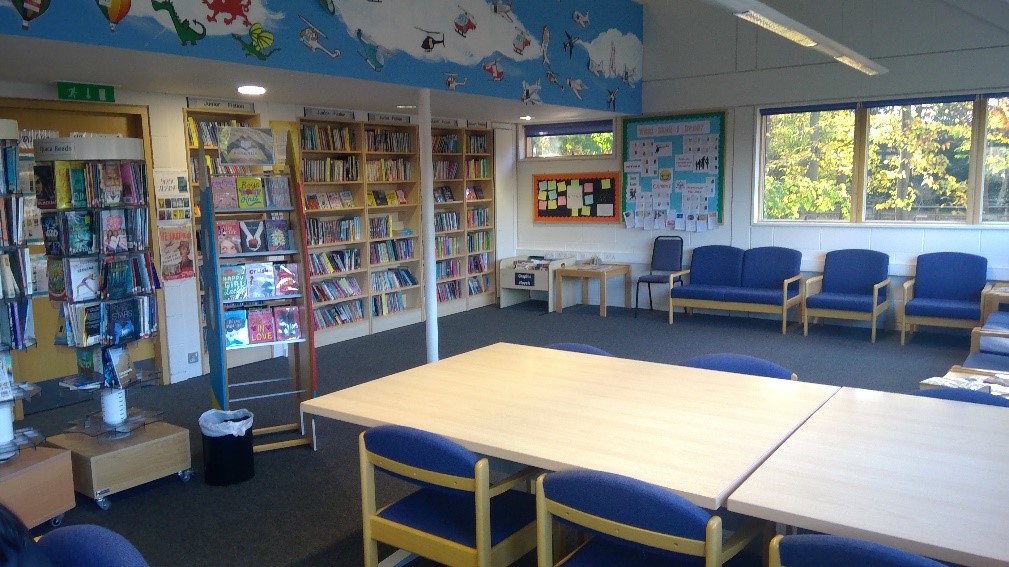
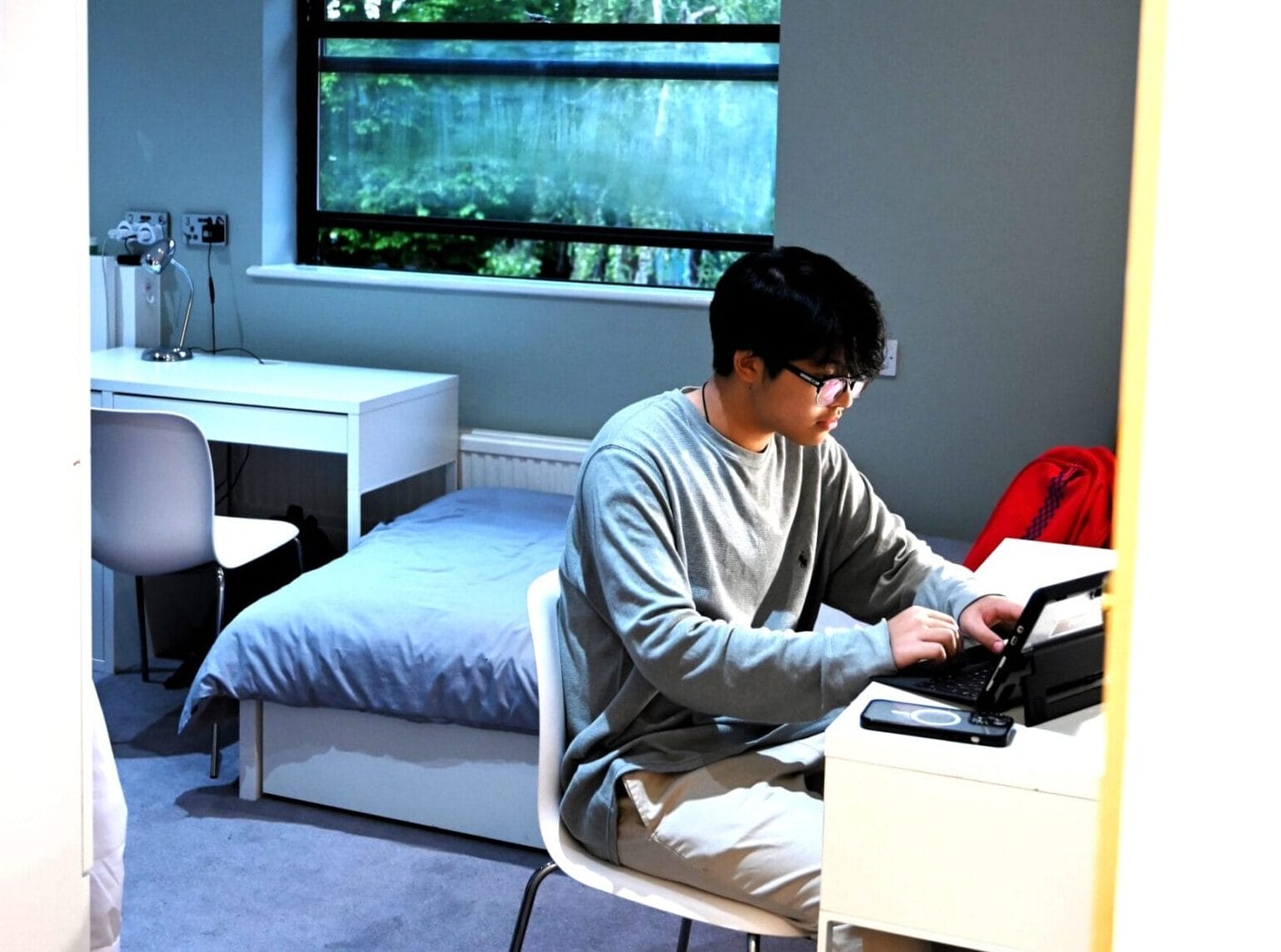
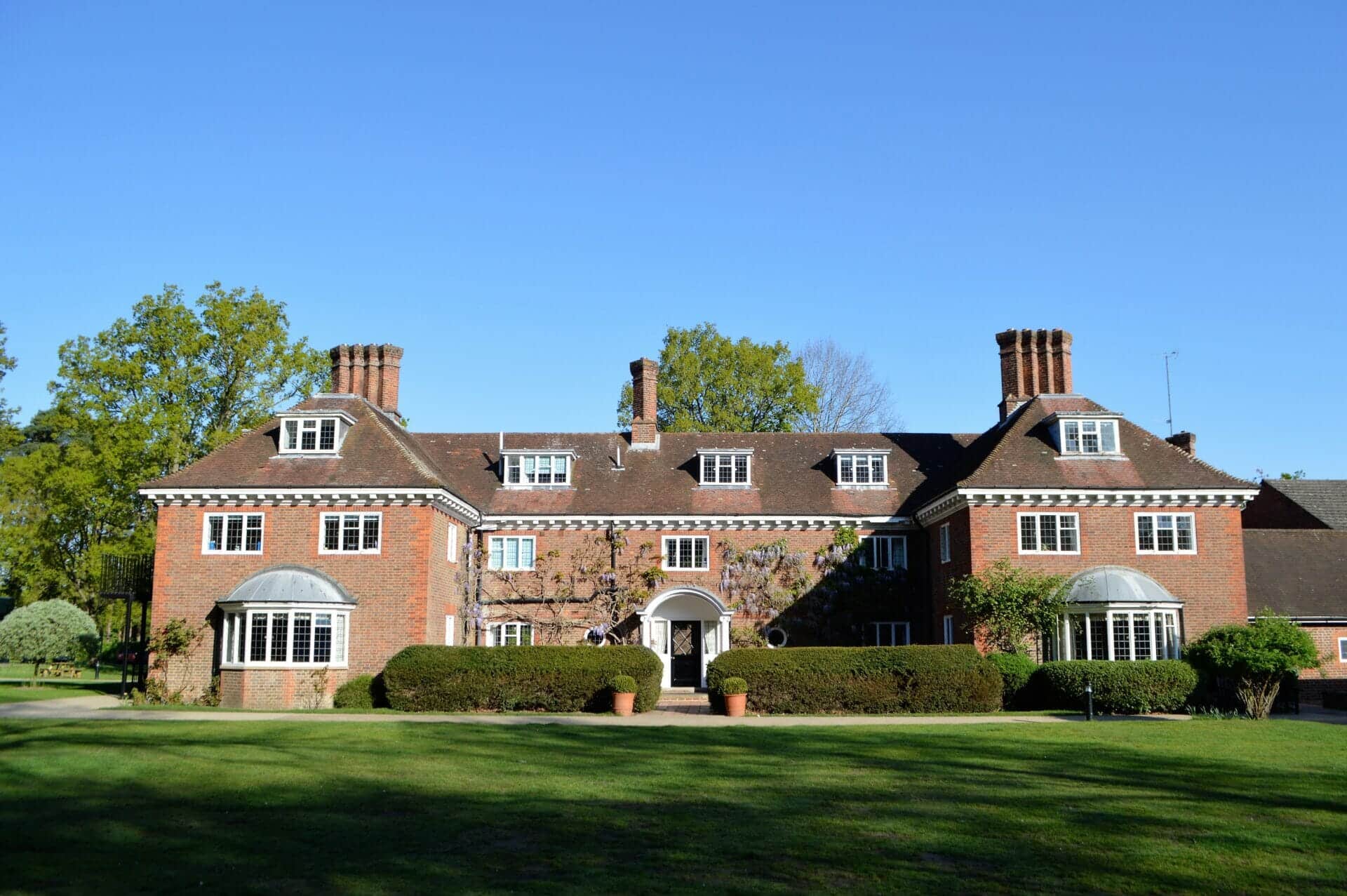
By putting these time management strategies into practice, Sixth Form students can approach their studies with confidence, balance, and focus. At Luckley House, our dedicated Sixth Form Centre provides the perfect environment for purposeful study, alongside informal spaces to relax and socialise. Students also enjoy access to exceptional facilities, ensuring they have everything they need to succeed academically and personally.
For those interested in joining a Sixth Form that supports independence, organisation, and growth, Luckley House offers a vibrant and inspiring community to help students reach their full potential.
Visit Luckley