It has long been recognised that mental wellbeing plays a key role in young people’s learning and cognitive development.
At Luckley House School, an independent boarding school in Berkshire, we believe education should nurture the whole person. Alongside academic ambition, we are committed to equipping pupils with practical strategies to live their lives well throughout their studies.
Supporting your mental wellbeing is not about eliminating stress entirely. It is about building self-awareness, developing healthy routines and learning how to respond constructively to pressure and setbacks. By investing in these skills, pupils not only enhance their academic performance but also develop lifelong habits that promote balance.
Our MissionWhy does good mental health support studying?
Mental wellbeing underpins every aspect of successful learning. When pupils feel emotionally balanced and mentally energised, they are far better able to focus, process information, manage their time effectively and engage fully in lessons. In contrast, when stress, anxiety or fatigue begin to build, concentration can suffer, motivation may dip and even routine tasks can start to feel overwhelming.
Mental wellbeing is also closely linked to resilience, which enables pupils to adapt to new situations, cope with setbacks and approach challenges with perspective rather than panic. It supports a growth mindset, where mistakes are recognised as part of the learning process and difficulties are viewed as opportunities for development rather than signs of failure.
By prioritising mental wellbeing, you put yourself in the strongest possible position to learn effectively, respond positively to challenge and make the most of your educational experience.
How to look after your mental health while studying
Academic success is not just about how long you study for, but how well you sustain your focus and energy. Protecting your mental wellbeing during busy periods requires small, conscious habits.
1. Create a balanced study routine
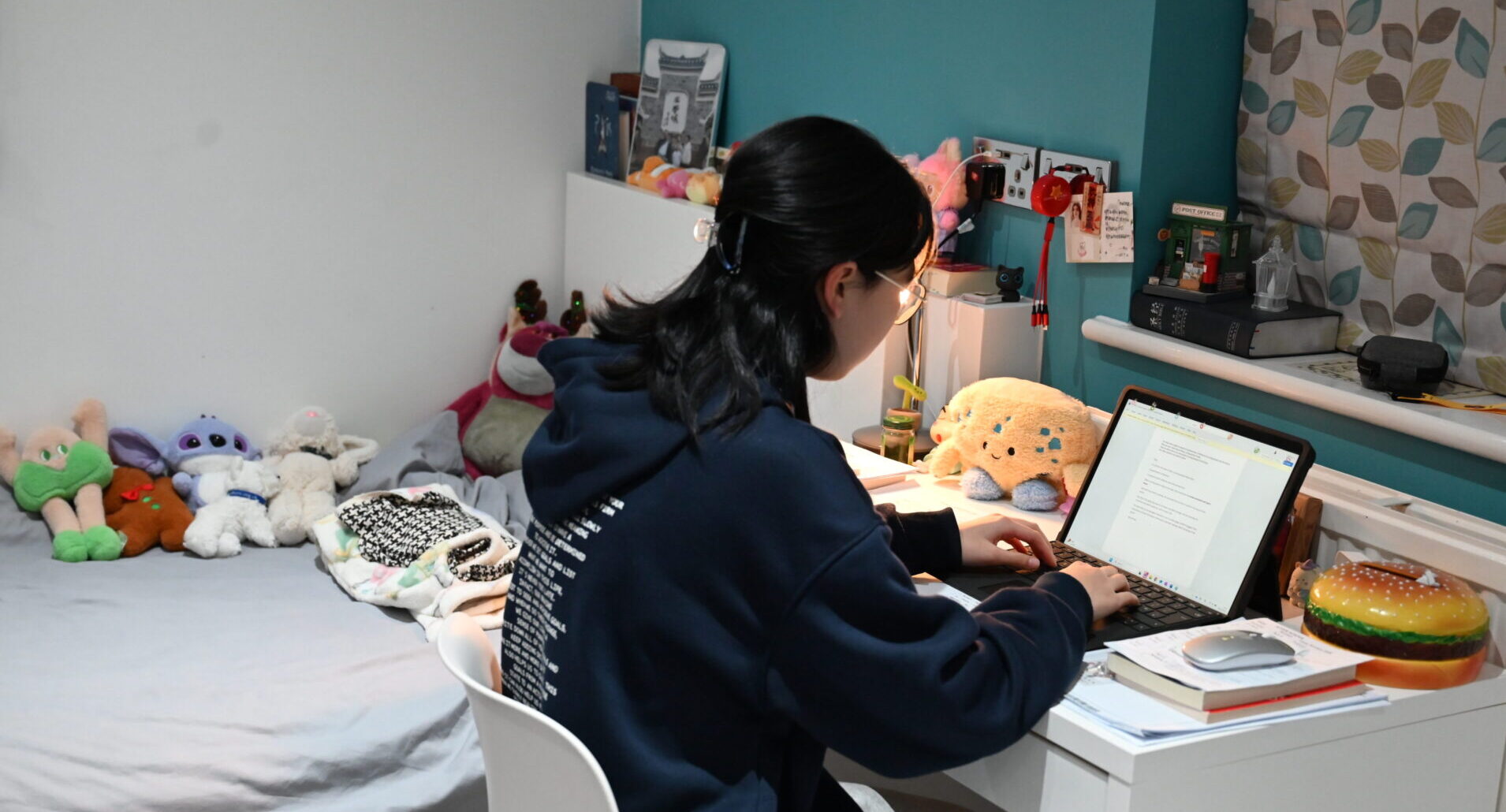
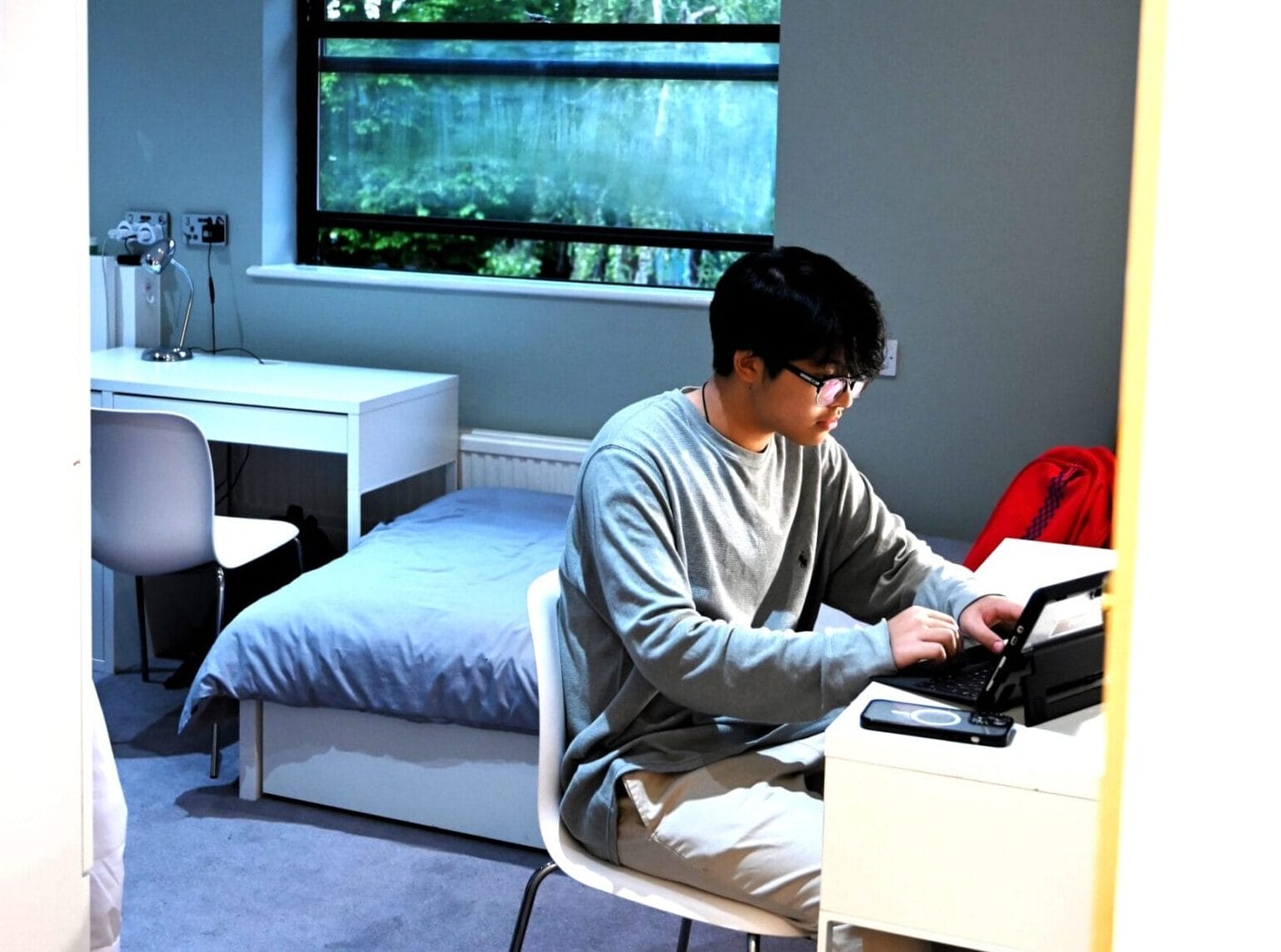
One of the most effective ways to support your mental health is to structure your study time thoughtfully. Long, uninterrupted sessions can leave your mind feeling drained and stressed, so it’s better to break work into smaller, achievable blocks. For example, you might plan 25- to 45-minute study periods with a short five- to ten-minute break in between.
During breaks, try to step away from your desk completely. Stretch, take a short walk, get some fresh air, or even do something creative, like drawing or listening to music. These small pauses allow your brain to rest and prevent burnout. A realistic, balanced routine can make even the busiest days feel manageable, helping you study more efficiently while keeping stress levels in check.
2. Prioritise sleep
Sleep is essential for your brain and body. Without enough rest, your concentration, memory, and ability to regulate emotions can all be affected. Pupils should aim for a consistent bedtime and try to build a calming routine before sleep. This could include reading, listening to gentle music, or avoiding screens for at least an hour before bed.
A good night’s sleep helps your mind consolidate what you have learnt, boosts problem-solving skills, and improves overall energy levels. Making sleep a priority is one of the simplest ways to support both your academic success and your overall wellbeing.
3. Stay Connected
Strong relationships are a key part of mental wellbeing. Spending time with friends, family, or classmates provides emotional support, reassurance, and a sense of belonging. Talking about how you feel, sharing successes and challenges, or even laughing together can lift your mood and make day-to-day pressures easier to handle.
Maintaining these connections is especially important during busy periods, such as exam season, when it can be tempting to focus only on work.
4. Keep Moving
Physical movement is one of the most effective ways to regulate stress. Exercise helps release tension, improve mood and restore mental clarity. It does not need to be intense or time-consuming to be beneficial.
A walk outdoors, a short stretch between study sessions, or participating in sport can refresh both body and mind.
5. Practice Mindfulness and Self-Care
Taking time to care for yourself is essential. Mindfulness activities, like deep breathing, meditation, or journaling, can help you stay present, reduce anxiety, and build calmness of mind. Even a few minutes each day can make a noticeable difference in how you feel.
Self-care also includes activities that bring you joy or relaxation. This could be spending time outdoors, reading a favourite book or taking part in enrichment activities. Small, consistent acts of self-care are an important habit that supports both wellbeing and resilience over time.
6. Ask for Help When You Need It
Recognising when you need help is a sign of strength. If you are feeling uncertain, anxious, or overwhelmed, talking to a teacher, form tutor, parent or GP can provide guidance, reassurance, and practical strategies. Friends you trust can also offer support and perspective.
Seeking help early can prevent small challenges from becoming bigger problems. It allows you to access advice and tools to cope more effectively and stay on top of your studies. Remember, everyone needs support sometimes, and reaching out is a positive step towards taking care of yourself and your mental health.
Common Signs of Stress to Watch For
Sometimes stress or mental health challenges develop gradually, making it hard to notice them at first. Being aware of possible signs in yourself or others can help you take action early. Common indicators include:
- Feeling persistently low, anxious, or irritable
- Difficulty sleeping or changes in appetite
- Withdrawing from friends or activities you usually enjoy
- Trouble concentrating, completing schoolwork, or staying organised
- Physical symptoms like headaches, stomach aches, or muscle tension
- Frequent negative thoughts or self-criticism
If you would like further guidance, the NHS provides clear and accessible advice for young people, including practical support for teenagers, young adults and students.