When choosing a school for your child, there is a great deal to consider: the ethos of the school, the curriculum, the pastoral care, and the co-curricular programme.
Yet before any of these details are weighed up, one of the most fundamental questions often arises: should my child be a day pupil or a boarder?
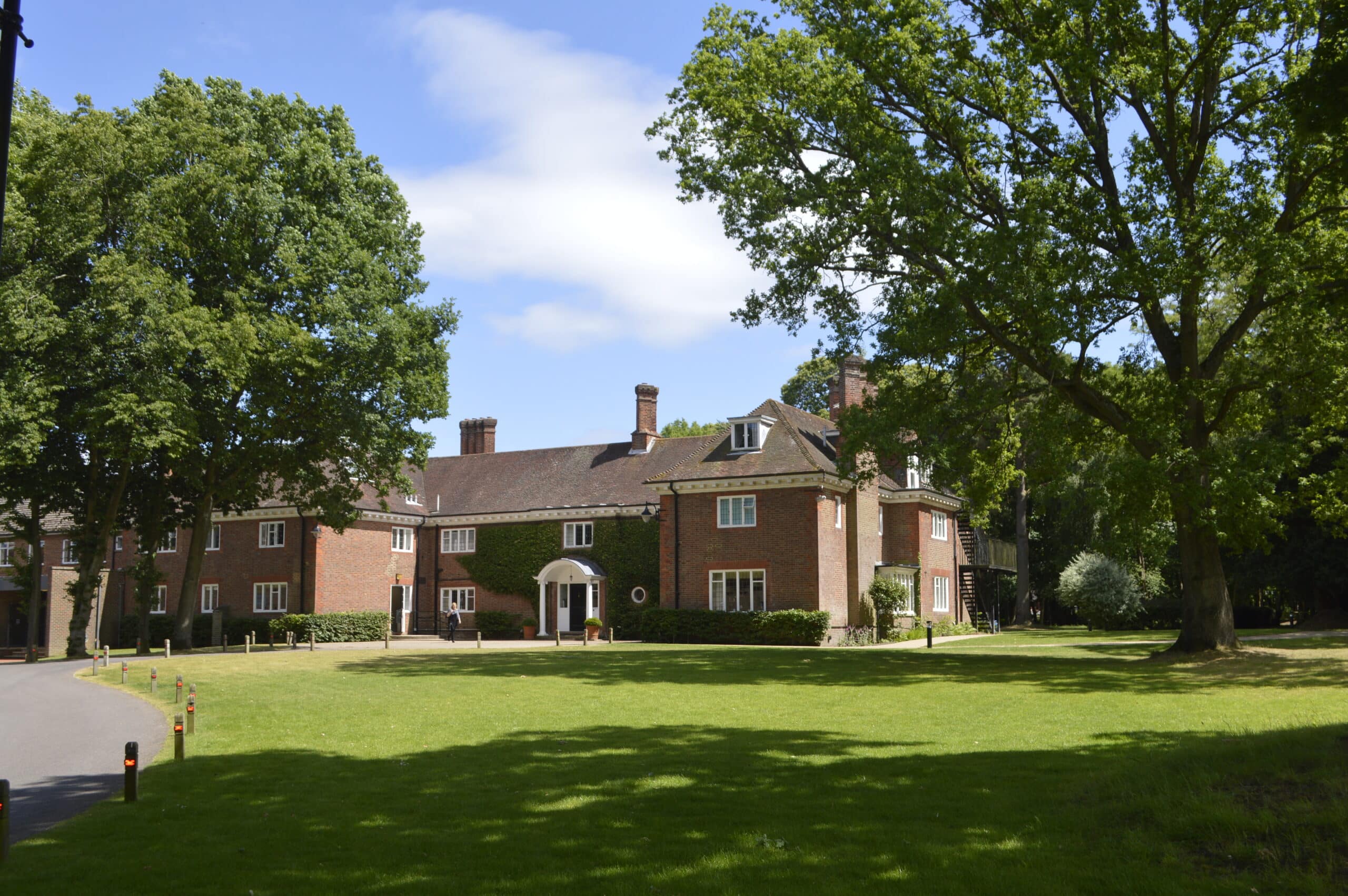
At Luckley House School, an independent day and boarding school in Berkshire, we believe there is no universal right answer, only the answer that is right for your child and your family. Every young person is different. Every family’s circumstances are unique. This guide is designed to help you reflect on the key considerations so that you can make a confident decision.
Why do some families choose day school?
For many families, day school feels like the natural and instinctive choice. Day pupils immerse themselves in school life throughout the day and then return home each evening, maintaining close day-to-day contact with parents and siblings. This rhythm allows pupils to enjoy the structure of school while preserving the familiarity and comfort of home.
That continuity can be particularly valuable during formative years. As young people navigate academic pressures and the emotional shifts that accompany adolescence, the steady presence of home life can provide reassurance and balance.
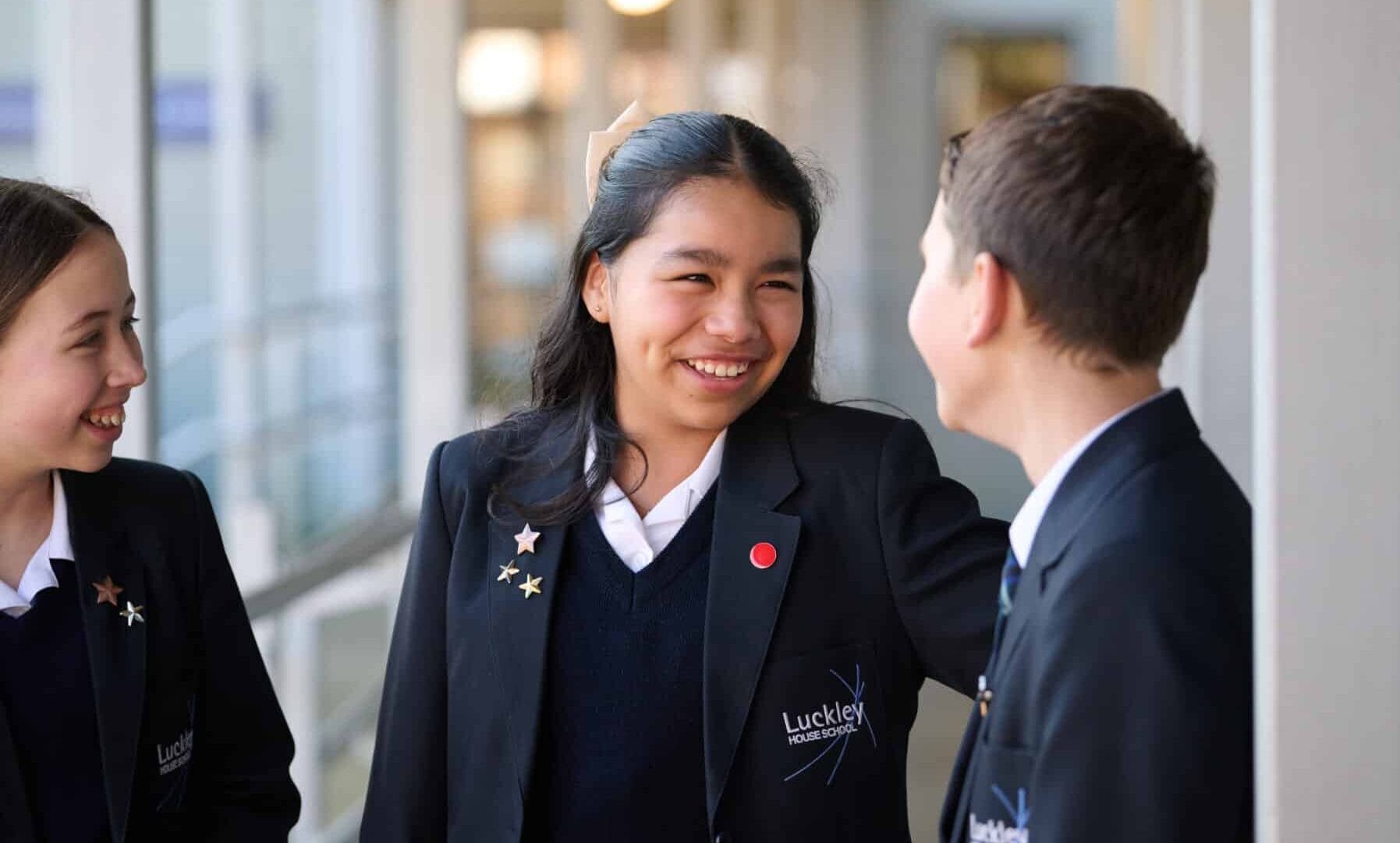
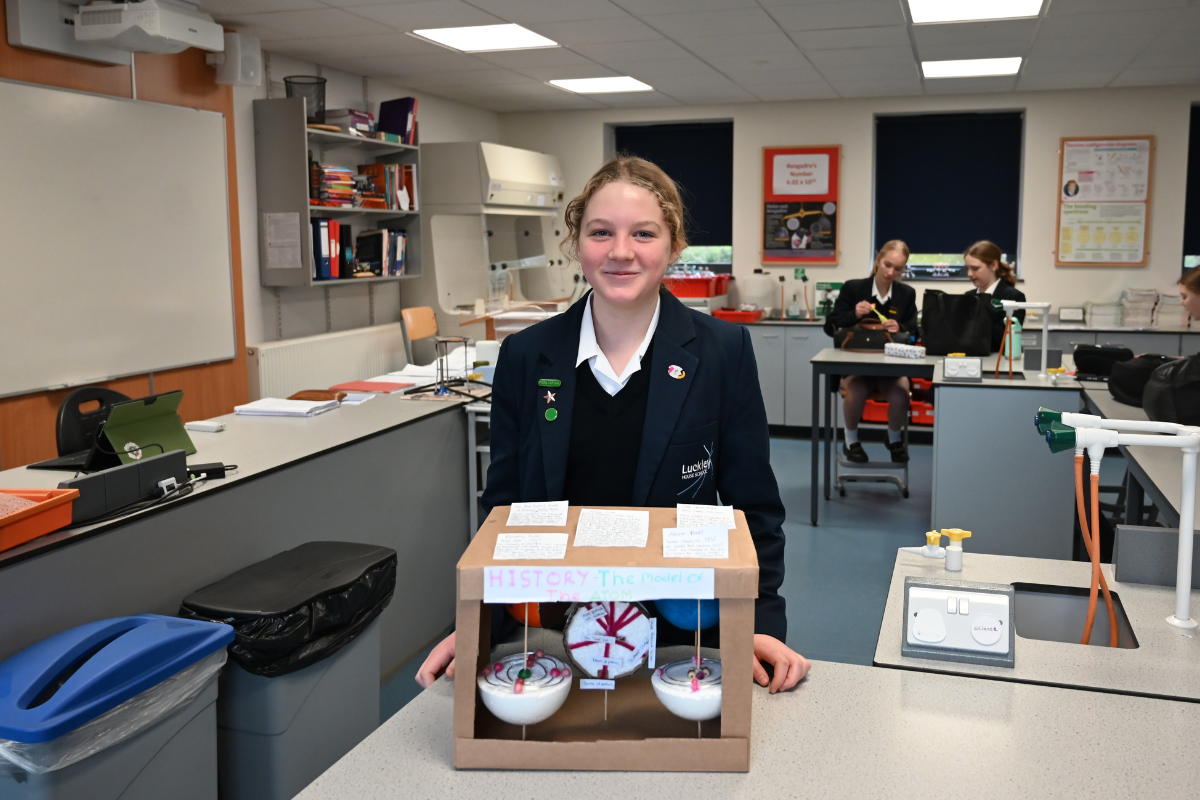
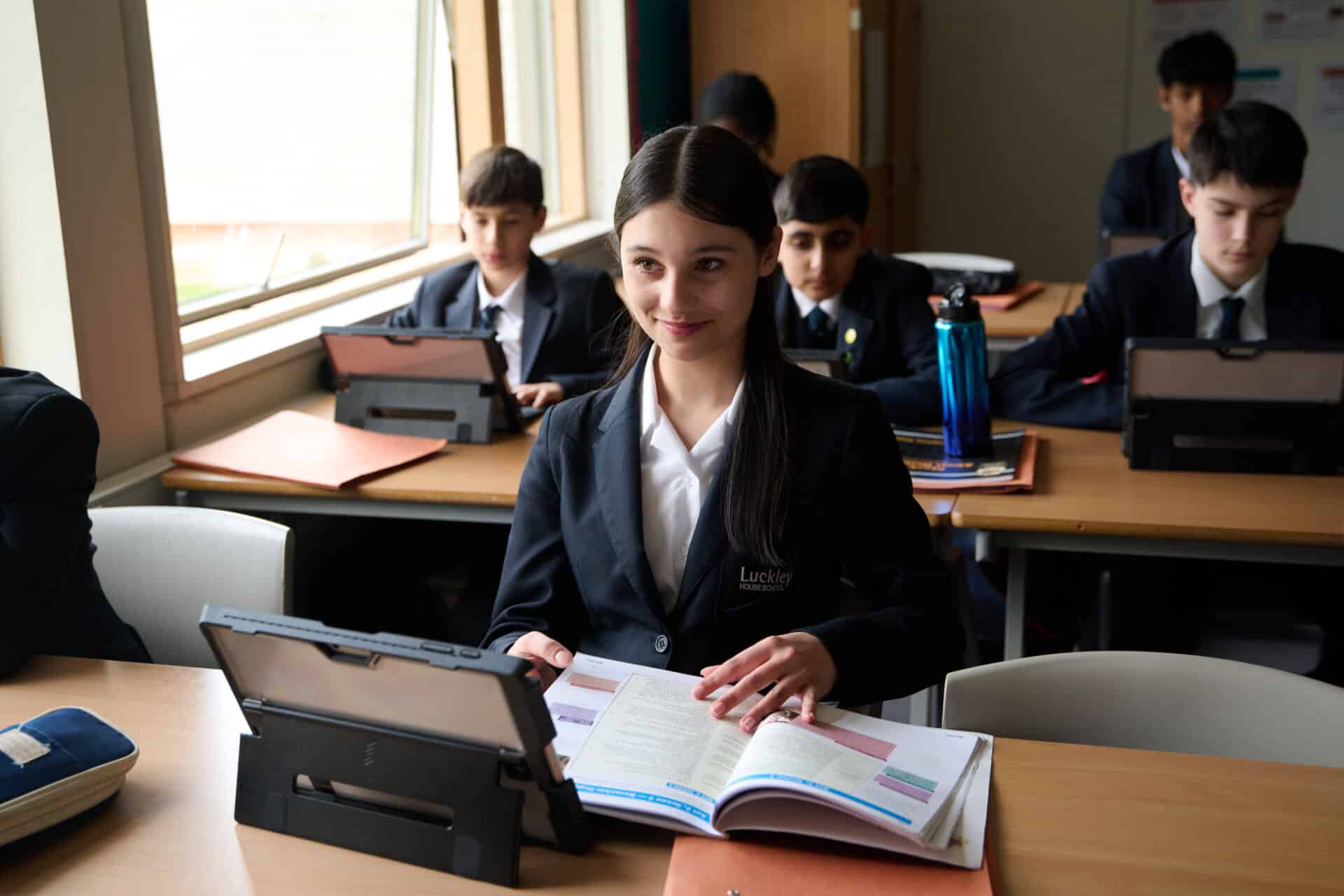
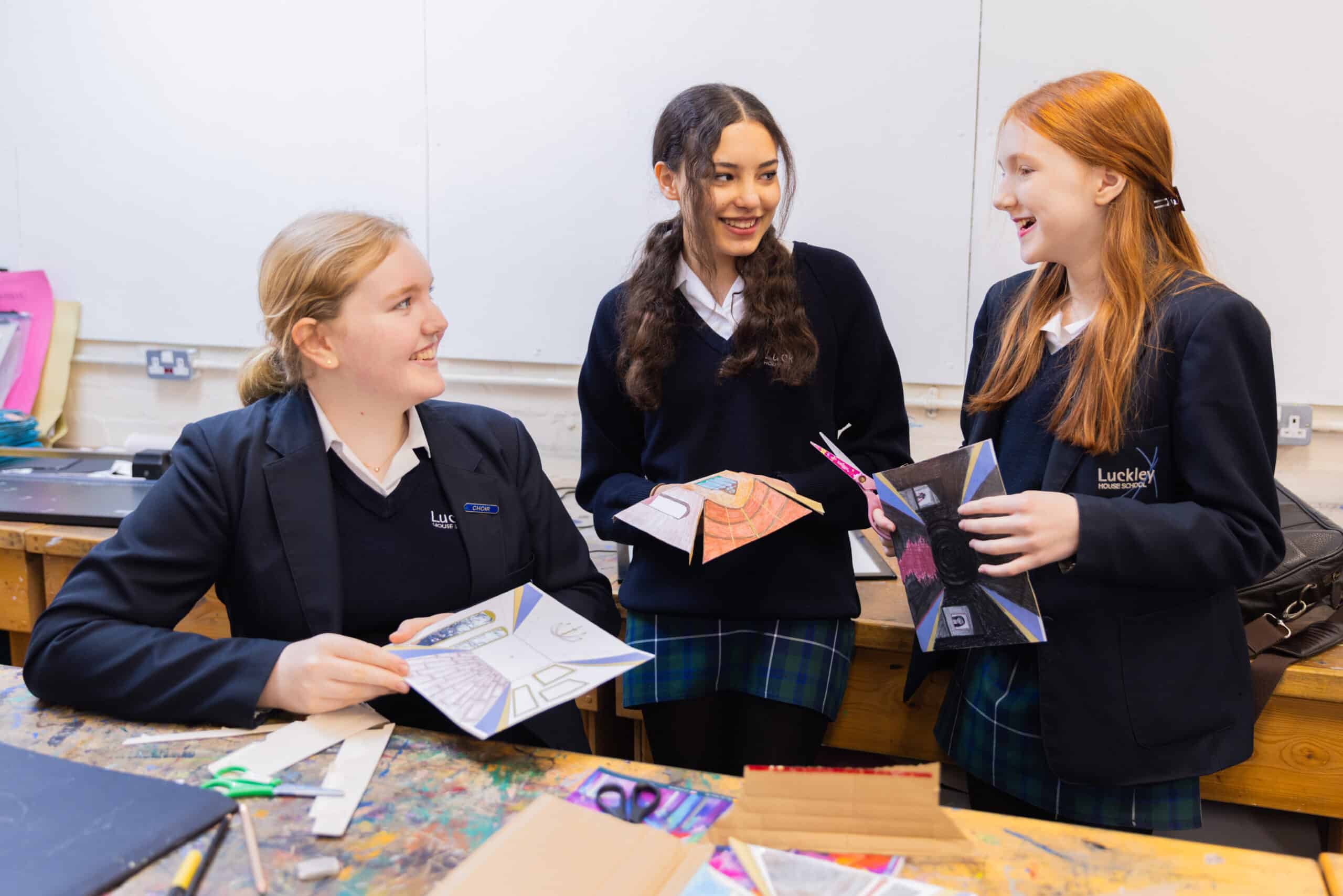
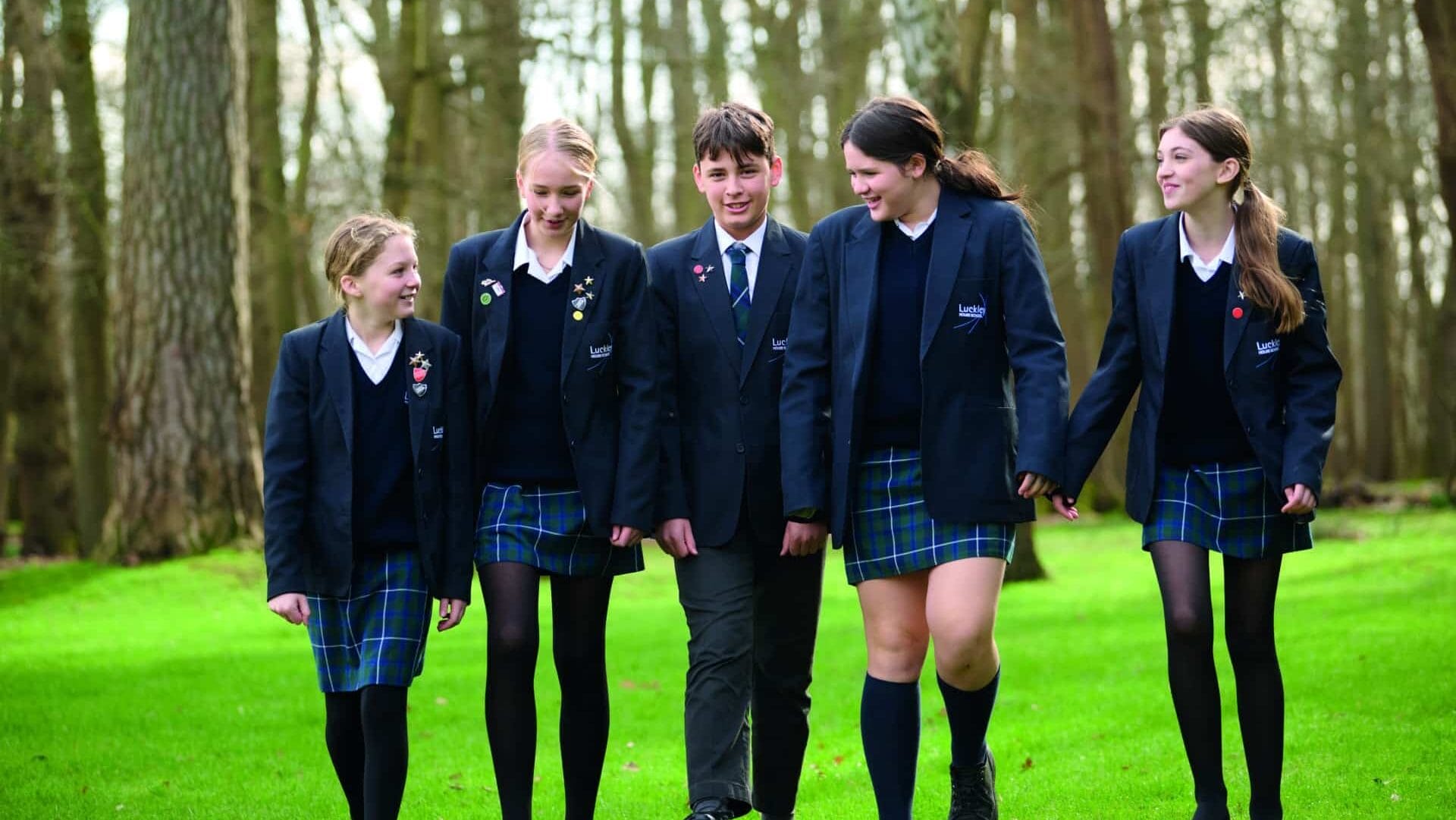
Day pupils at Luckley House enjoy the same rich and varied experience as their boarding peers. They benefit from an ambitious academic programme, extensive co-curricular opportunities, and attentive pastoral care. They take part in clubs, productions, sports fixtures, competitions, trips, and social events that shape school life far beyond the classroom.
If your family is local and your child thrives with the comfort of home at the end of each day, day schooling may well be the ideal fit. It also offers families greater day-to-day involvement in their child’s life.
Why do some families choose boarding school?
Boarding is sometimes misunderstood. It can be perceived as a solution driven purely by practical necessity – for families living overseas, at a distance from the school, or with demanding work commitments. Whilst it can certainly be the right answer in those situations, it is also a positive and proactive choice made by many families who are seeking an immersive, all-round educational experience for their child.
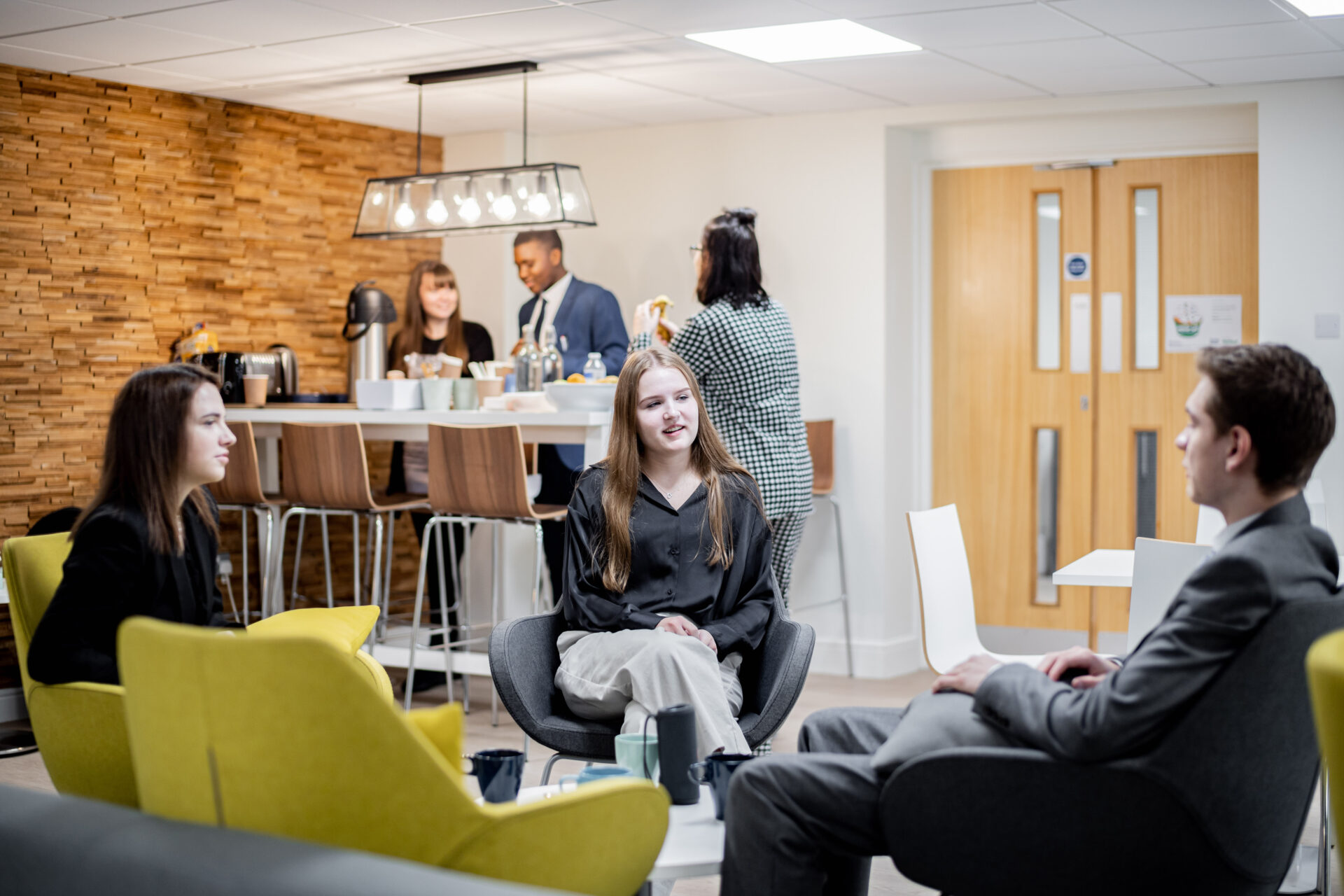
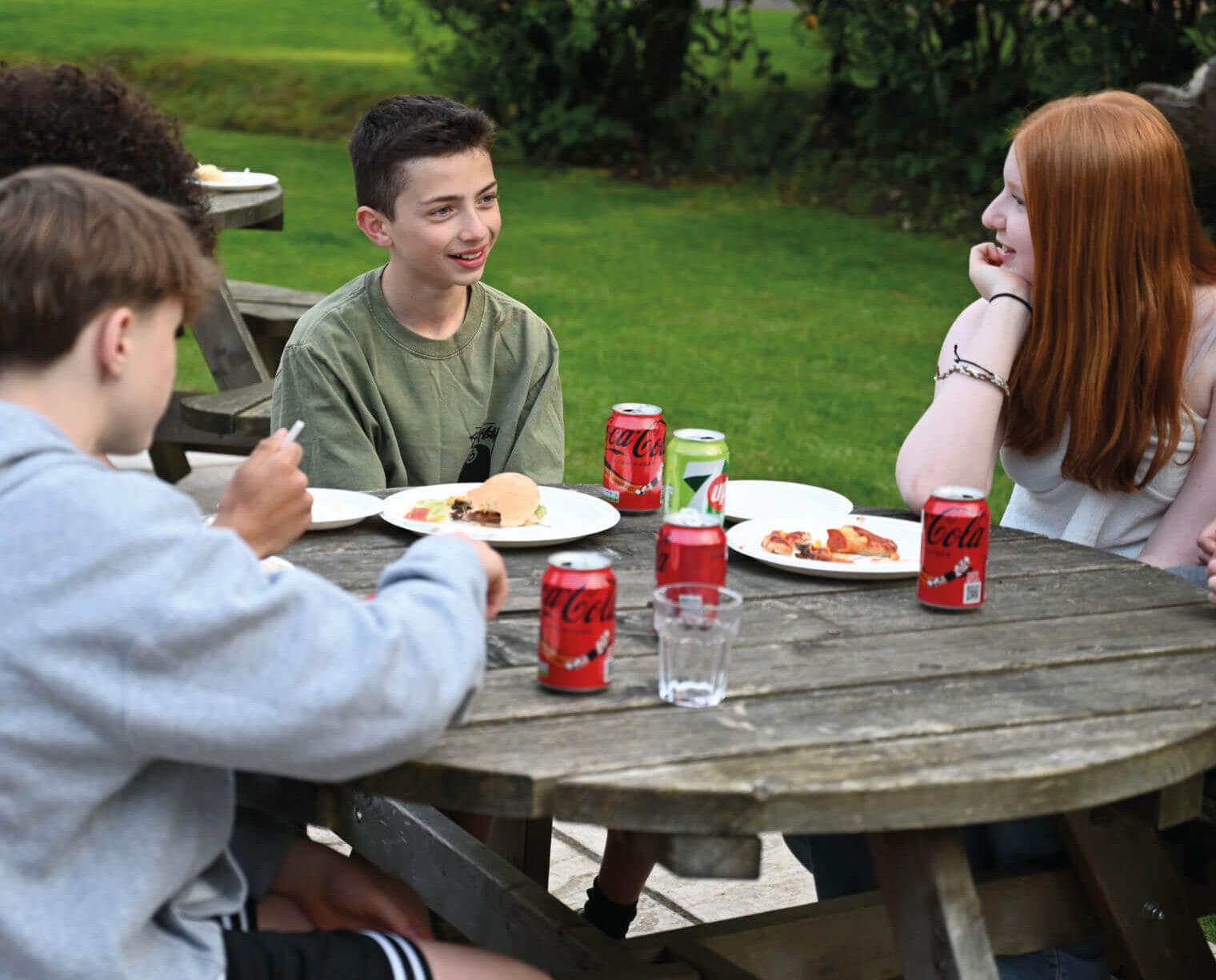
At Luckley House, our boarding community is small, diverse, and close-knit. Boarders live and learn together, sharing experiences that naturally deepen friendships and foster a powerful sense of belonging.
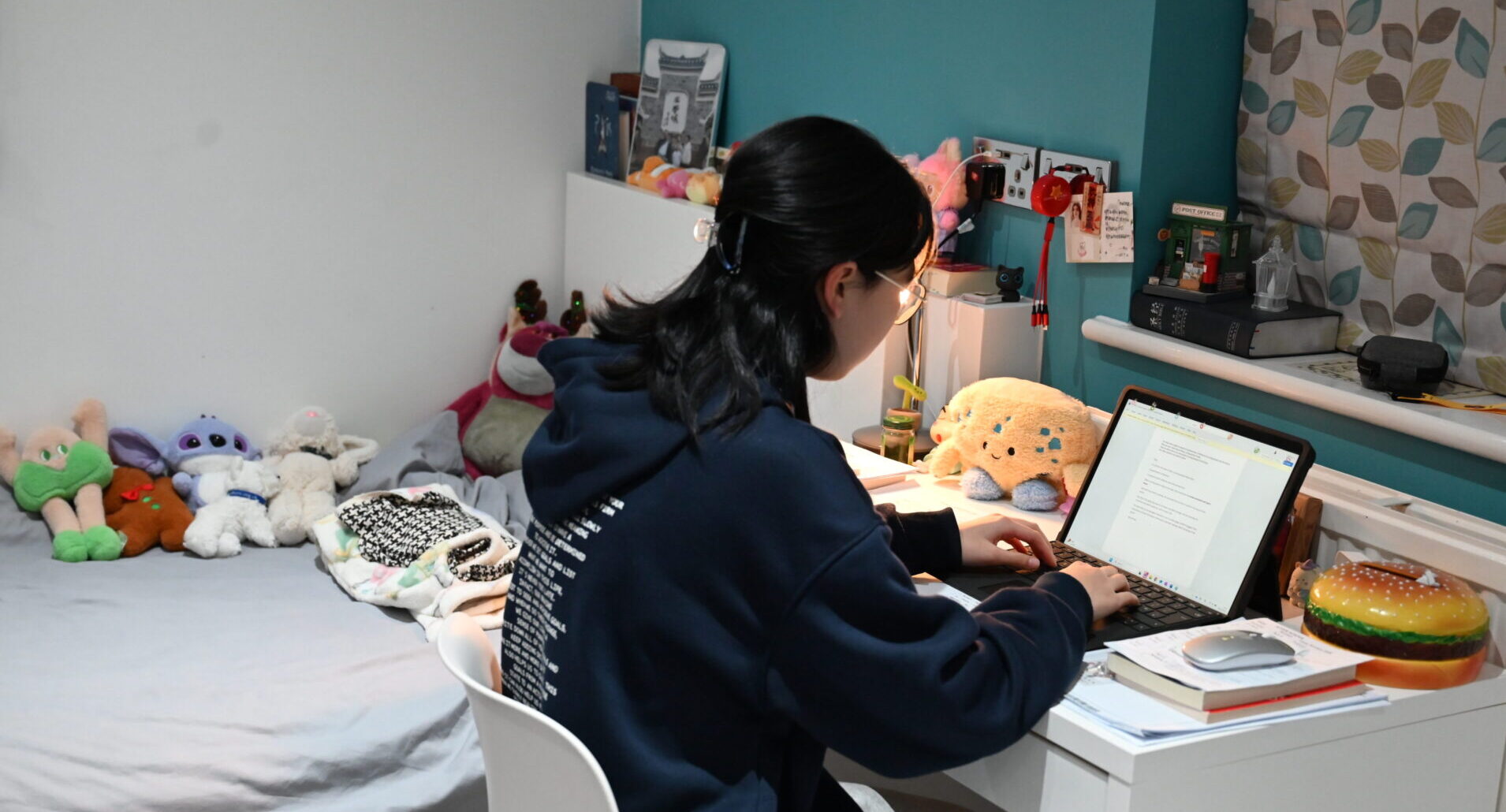
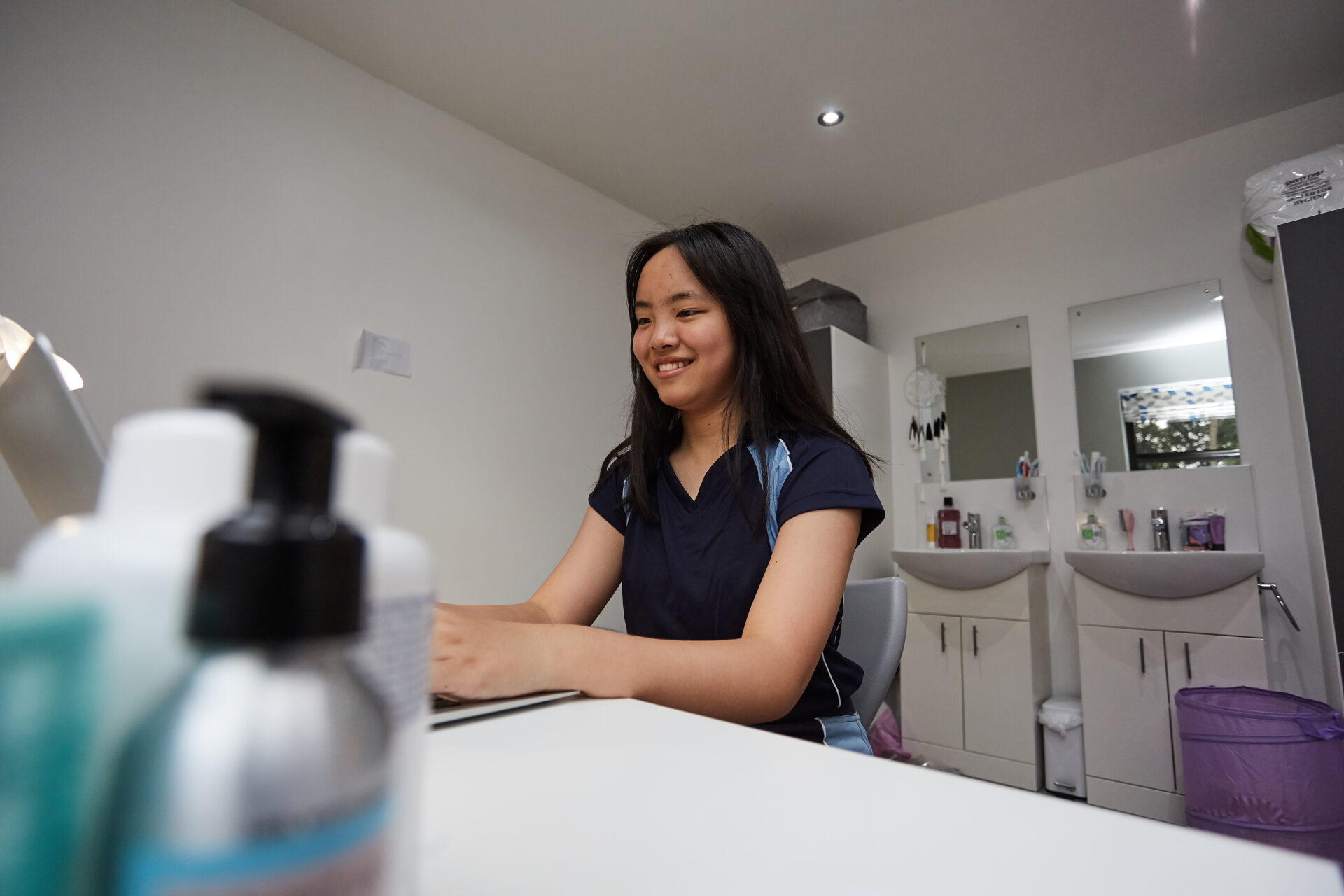
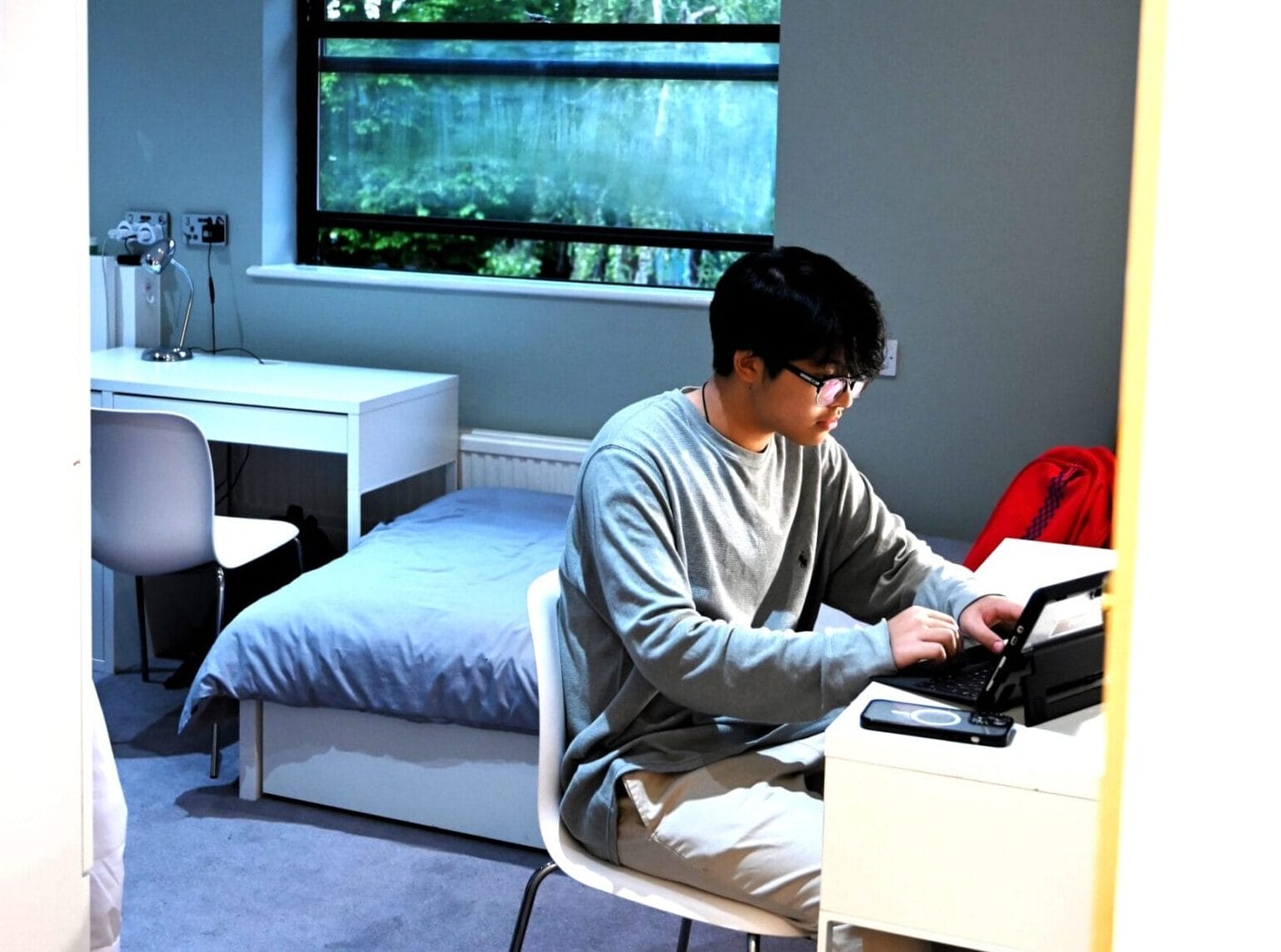
Boarding offers young people the opportunity to develop independence in a structured and supportive environment. They learn to manage their time, organise their work, and contribute to communal living.
Relationships are at the heart of the boarding experience. Pupils build meaningful connections not only with their peers but also with dedicated boarding staff who know them well and provide consistent guidance and care. Our holistic approach means that education does not end when lessons finish. Evenings and weekends are thoughtfully structured with activities, study time, and opportunities to relax, ensuring that pupils are both supported and encouraged to step beyond their comfort zones.
We offer both full and weekly boarding. Full boarders remain at school throughout the term, returning home during holidays, while weekly boarders go home at weekends. Weekly boarding is particularly popular with families who wish their child to experience the richness of boarding life during the week while maintaining regular family time.
A Blended Approach
One common question families ask is whether they must choose definitively between being a day pupil or a full boarder. At Luckley House, the answer is reassuringly no. For many families, the most effective solution lies somewhere in between. Our weekly and flexi-boarding options offer a blended approach that combines the richness and independence of boarding with the continued connection of home life.
Weekly boarding provides pupils with a fully immersive school experience during the week while returning home at weekends. This structure allows young people to enjoy the rhythm and routine of boarding life while maintaining regular family contact.
Flexi-boarding provides even greater flexibility. Day pupils may stay overnight on a regular or occasional basis without committing to a full weekly arrangement. For modern families, this option can be invaluable. Whether it is a late rehearsal, performance, or sports fixture, flexi-boarding removes the stress of late journeys and enables pupils to wake up refreshed and ready for the next day. It is particularly beneficial during busy revision periods, helping pupils maintain focus, minimise travel fatigue, and approach exams calmly, prepared, and punctual.
Beyond the practical advantages, flexi-boarding offers a gentle introduction to boarding life. Pupils can experience the camaraderie and independence that boarding brings without committing fully. Many discover that they enjoy it so much that they go on to become weekly or even full boarders, confident in their ability to thrive in the boarding environment.
Questions worth asking before you decide
When weighing up day versus boarding, thoughtful reflection is key. Consider your child’s temperament. Do they naturally seek independence and enjoy new experiences? Or do they draw particular comfort from daily home routines? Think about how they respond to challenges, how they build friendships, and where they feel most secure.
Practical considerations also matter. Travel time to and from school, parental work commitments, and extracurricular demands all play a role in shaping daily life. Boarding can reduce commuting pressures and free up time for study and enrichment; day schooling can preserve family routines and allow for frequent home interaction.
Most importantly, involve your child in the conversation. Listening to their thoughts and feelings fosters trust and ensures that they feel heard.
It can also be helpful to reflect on your broader aspirations for your child’s education. If developing independence, resilience, and adaptability is high on your list, boarding may offer something uniquely powerful. If maintaining daily family rhythms and close involvement in your child’s school journey is paramount, day schooling (or a blended approach through weekly or flexi-boarding) may align more closely with your priorities.
There is no wrong choice here. Both day pupils and boarders at Luckley House receive the same high-quality education, pastoral care, and opportunities for enrichment. The distinction lies not in the standard of provision, but in the lived experience of each child. The central question is simply this: in which environment will your child be happiest, most confident, and best able to realise their potential?
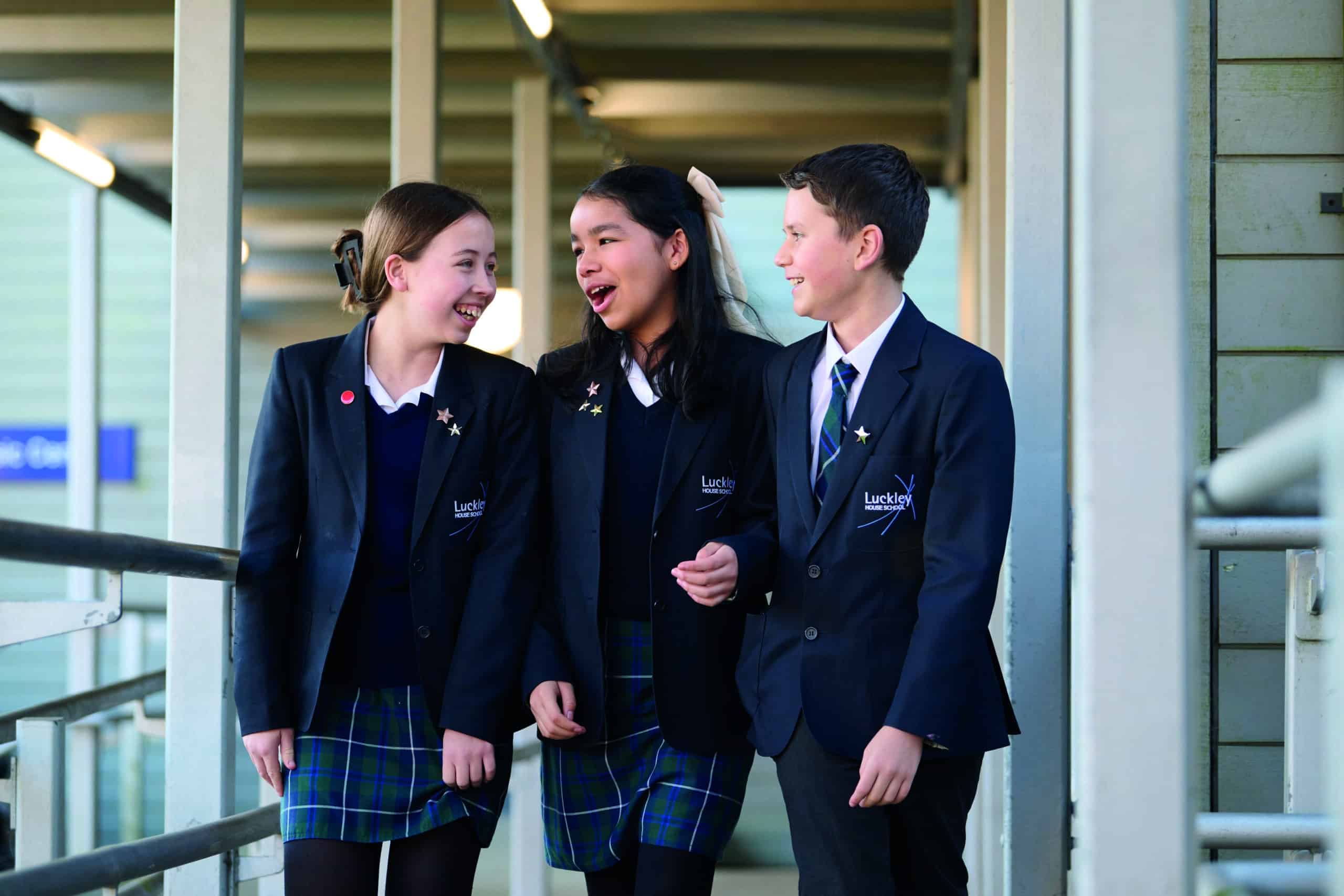
We warmly encourage families to visit Luckley House School before making any decisions. Whether you already feel confident about the right pathway or whether you are at the very beginning of your research, our team is here to listen carefully, answer your questions honestly, and guide you through the options available.
Whether as a day pupil, a weekly boarder, a full boarder, or through the flexibility of our flexi-boarding provision, each child is given the opportunity to grow academically, socially, and personally.
The choice between day and boarding is not about which is better in general. It is about which is better for your child. With careful reflection and the right support, you can make that decision with confidence and set them on a path where they will truly thrive.
Visit Luckley