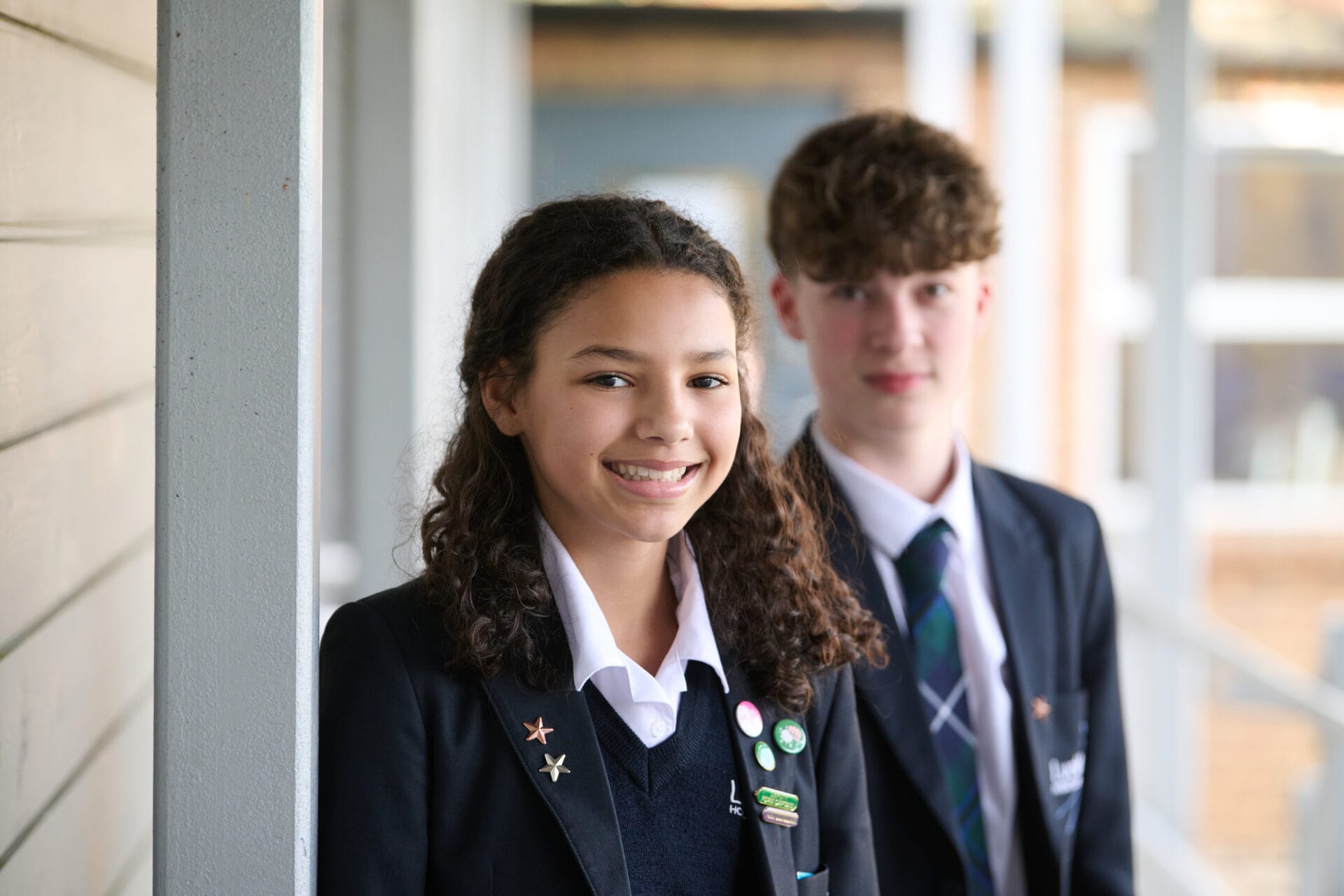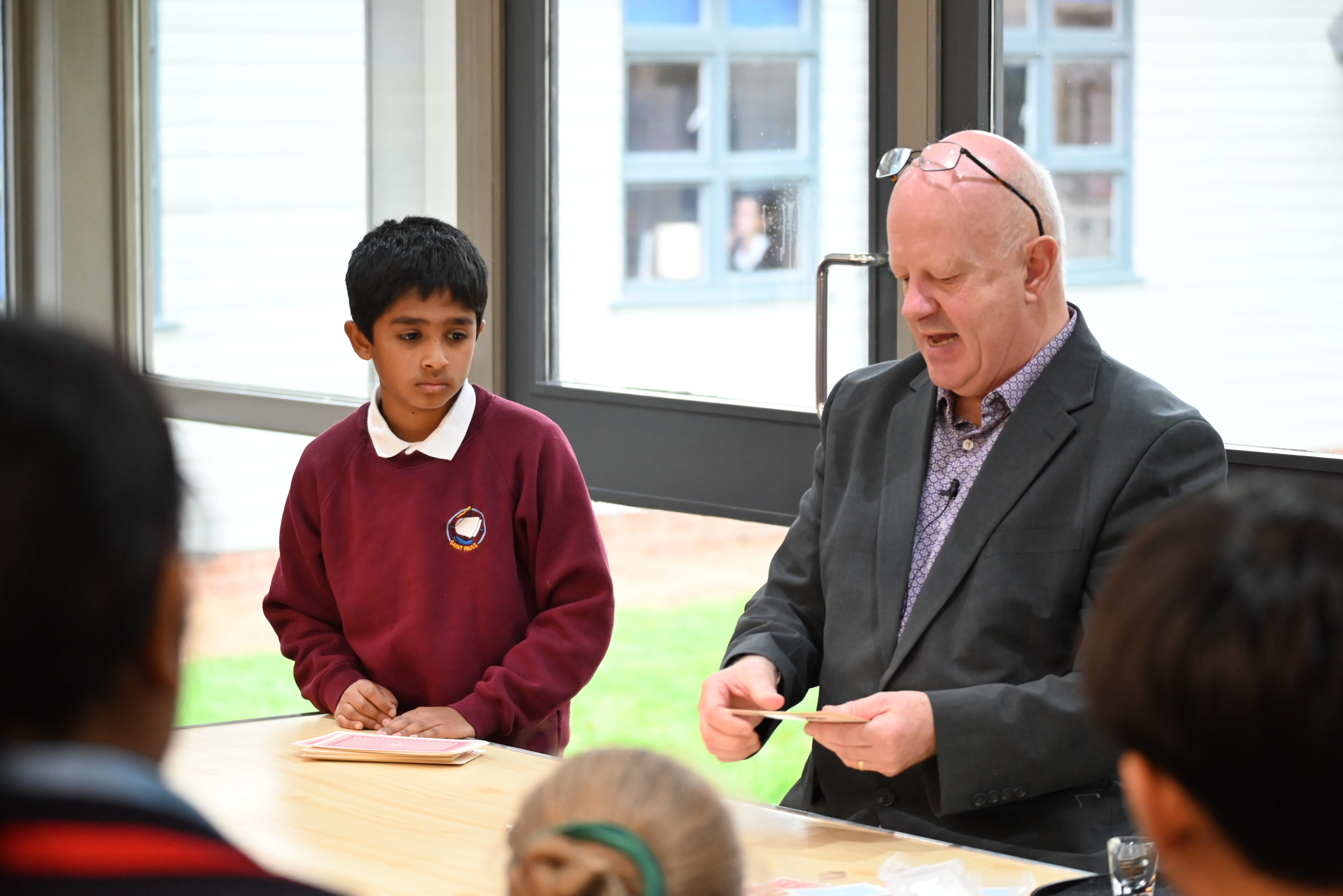
Self-confidence shapes how pupils experience school and how they engage with the world around them. It influences the willingness to attempt new things, the ability to recover from setbacks, and the way pupils perceive themselves in academic and social contexts.
At Luckley House, fostering self-confidence is intertwined with the pursuit of high aspirations and academic excellence, providing pupils with the tools to explore their potential fully.
Pupils who develop this mindset approach lessons, activities, and social interactions with curiosity and a constructive attitude, equipping themselves to make independent and thoughtful decisions.
What Do We Mean by Self-Confidence?
Self-confidence in a school context refers to a pupil’s belief in their own abilities and willingness to try, even when success is not guaranteed. It is not about being the loudest voice in the room or feeling superior to others. Rather, it is about having the quiet assurance to participate, to make mistakes, and to learn from them.
For pupils, self-confidence means:
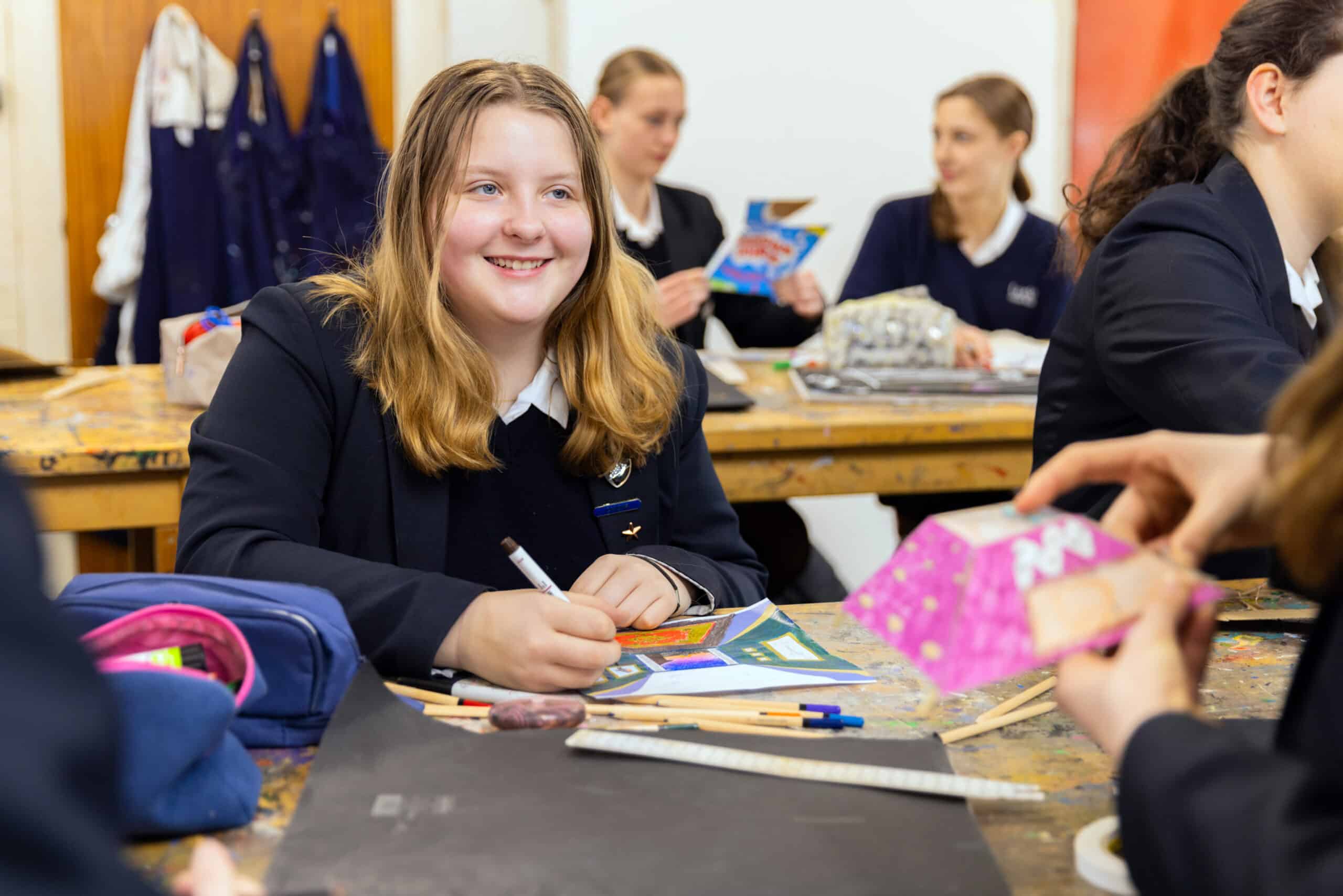
- Feeling comfortable contributing ideas in class
- Believing they are capable of making progress
- Approaching new experiences with curiosity rather than fear
- Understanding that effort and improvement matter as much as outcomes
Importantly, self-confidence develops gradually and looks different for every young person. Some pupils may demonstrate confidence through leadership and performance, while others show it by persevering with a challenging task or speaking up when they need support.
The Role of Self-Confidence in Learning
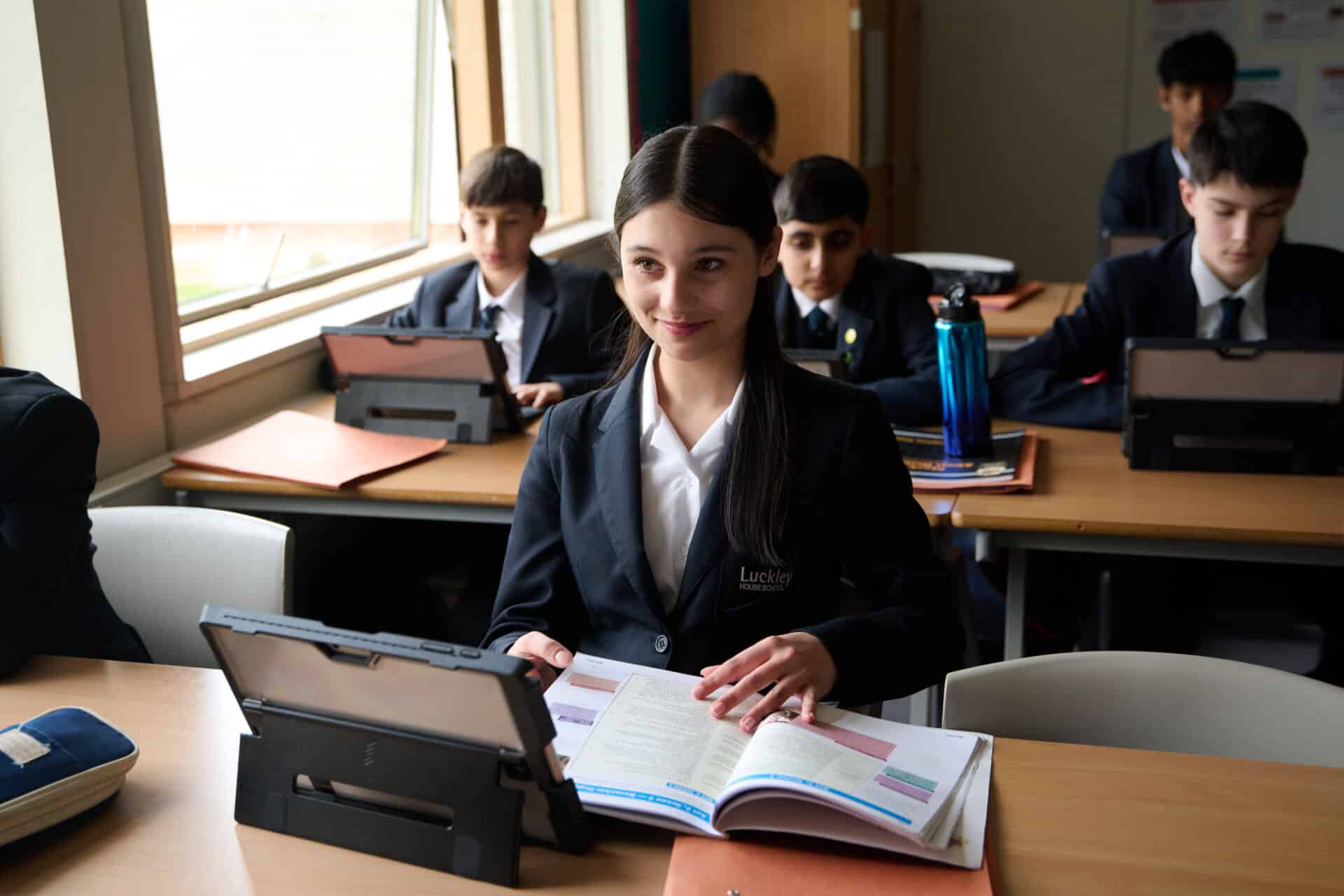
Self-confidence plays a crucial role in the learning process. Pupils with confidence approach education with a positive mindset, showing a willingness to ask questions, explore new ideas, and tackle more challenging tasks. This active engagement not only deepens understanding but also improves retention, ultimately leading to better academic outcomes. Research from the UCL Institute of Education highlights this connection, showing that young people of all academic abilities were more likely to achieve higher GCSE results if they felt confident in their schoolwork at age 14.
In addition, self-confidence fosters perseverance, a key driver of academic success. Confident pupils are more likely to view challenges as opportunities for growth rather than insurmountable obstacles. This mindset nurtures resilience and a growth-oriented approach to learning that extends well beyond the classroom.
Self-confidence also contributes significantly to emotional wellbeing. Pupils who feel capable and valued are better able to manage stress and setbacks. They experience lower levels of anxiety in both academic and social settings and are more likely to cultivate positive relationships with peers and teachers, creating a supportive learning environment that reinforces their confidence.
The Benefits of Self-Confidence
The advantages of self-confidence extend far beyond academic performance, influencing social, emotional, and personal development.
Social Skills
Pupils with self-belief are more likely to build strong social skills and maintain positive relationships. Confidence enables pupils to communicate effectively, express their opinions respectfully, and collaborate successfully with peers.
Participation
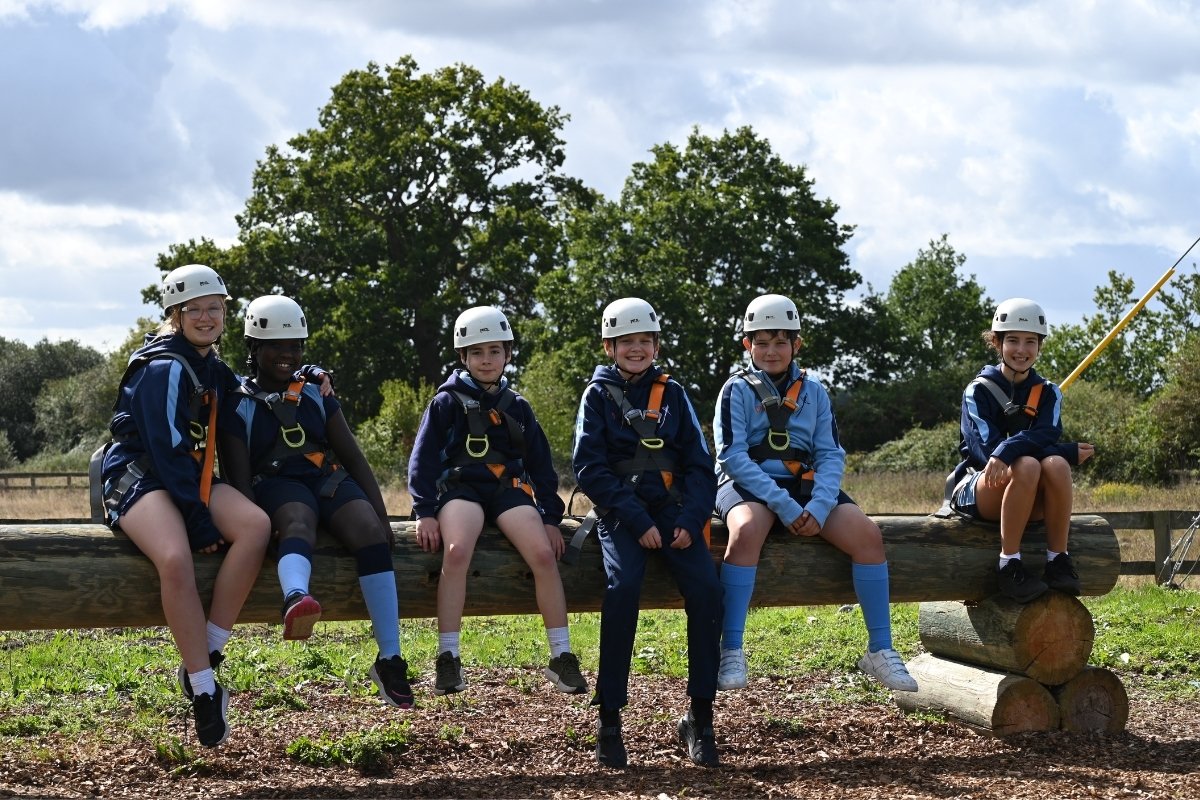
Confidence allows pupils to engage fully in co-curricular activities, from drama and music to debating and sports, which further reinforces self-belief and social competence.
Resilience
Self-confident pupils view mistakes and failures as learning opportunities rather than threats. They are better able to recover from challenges, persevere through difficulties, and maintain a positive attitude.
Future Readiness
Confidence equips pupils with the skills to navigate complex situations, advocate for themselves, and pursue their goals with determination and independence. It prepares them effectively for future challenges in higher education and careers.
By fostering self-confidence, schools help pupils develop independence, ambition, and the ability to navigate both academic and personal challenges successfully. The benefits are enduring, supporting pupils not only during their school years but throughout their future education, careers, and personal lives.
How Independent Schools Nurture Self-Confidence
While self-confidence is crucial in all educational settings, independent schools can offer particular advantages in fostering it.
Personalised Support
Smaller class sizes allow teachers to give more personalised guidance, understand each pupil’s unique strengths, and provide tailored encouragement. This environment helps pupils feel seen and supported, which is critical in building the belief that they can take on challenges and succeed.
Broad Curriculum
A broad and diverse curriculum gives pupils the chance to discover hidden talents and explore a wide range of interests. From academic subjects to music, drama and sport, pupils can find areas where they feel competent and capable. Each success, whether large or small, reinforces self-belief and motivates pupils to engage with new challenges across the curriculum.
Co-curricular Opportunities
Leadership and co-curricular activities also play a pivotal role. Independent schools provide opportunities which allow pupils to develop responsibility, initiative, and decision-making skills. Engaging in group projects, school productions, or sports teams provides the chance to practice teamwork, problem-solving, and communication, all of which contribute to self-confidence.
At Luckley House School, pupils are encouraged to take ownership of their learning, aim high, and celebrate both effort and achievement. By offering a supportive environment rich in opportunity, independent schools help pupils gain the confidence to strive for success across all areas of life.
Supporting Self-Confidence at Home
Parents and carers play a crucial role in reinforcing the confidence developed at school. Encouragement, praise for effort as well as achievement, and guidance in reflecting on mistakes can all help pupils strengthen self-belief. When home and school work together, pupils benefit from a consistent support system that empowers them to grow both academically and personally.
For those looking for additional support, Mind offers a range of practical tips for building confidence and self-esteem for young people aged 11–18.
Self-confidence is a fundamental factor in pupil development. It enhances learning, promotes resilience, and supports social and emotional wellbeing. While independent schools such as Luckley House offer distinctive opportunities to nurture self-confidence alongside academic excellence, the underlying principle is universal: pupils who believe in themselves are better equipped to achieve their goals, embrace challenges, and thrive in all areas of life.
By choosing the right educational setting, we help lay the foundations for lifelong success. For families seeking an environment where confidence, character, and achievement are actively encouraged, a visit to Luckley House provides the opportunity to see this ethos in action.
Visit Luckley