World Book Day offers a timely opportunity to consider the value of reading for pleasure. At Luckley House School, we encourage our pupils to read widely and independently, beyond the demands of the curriculum, and we believe that the habit formed during these years can have a lasting impact.
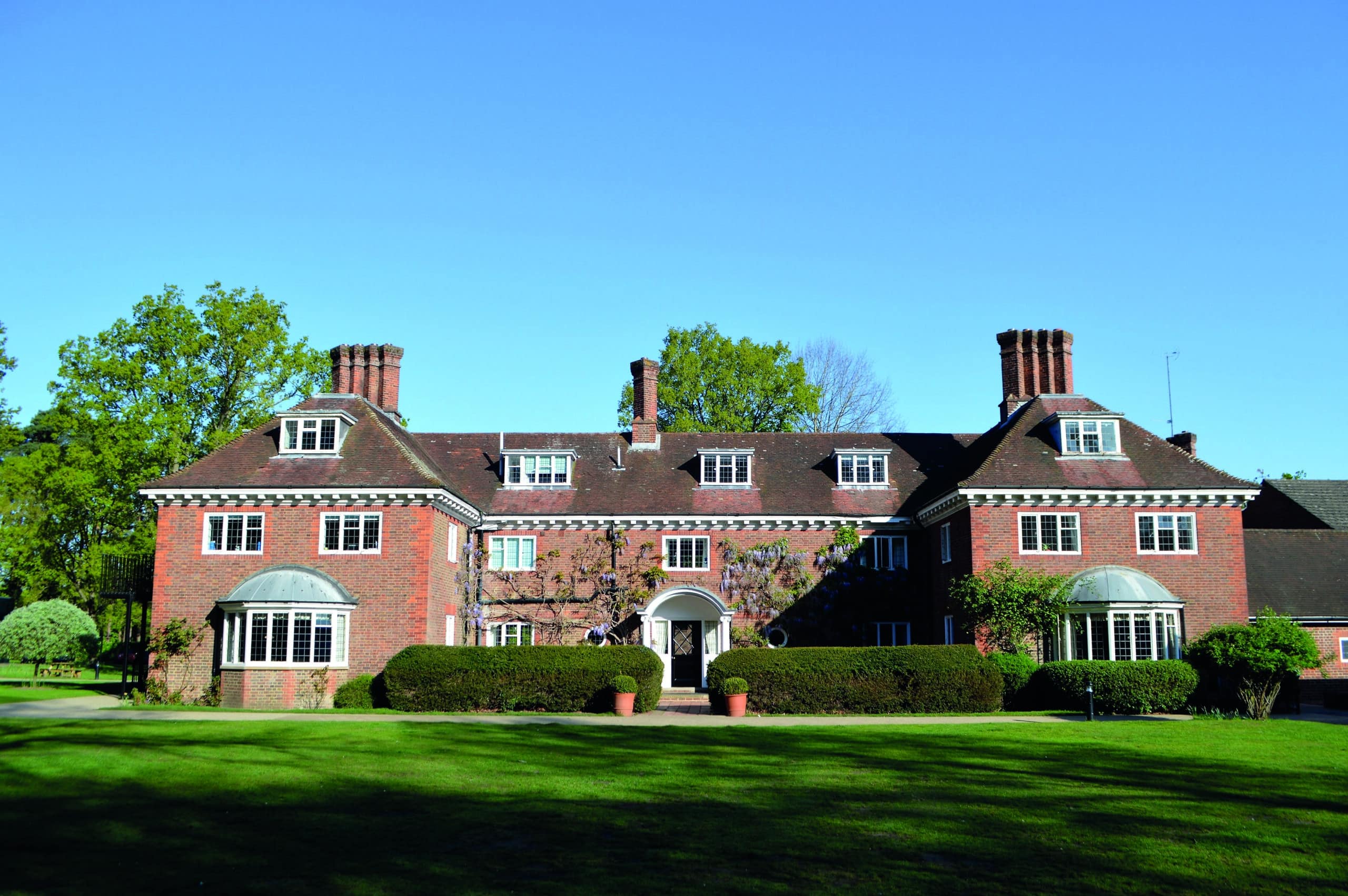
Situated in the heart of Wokingham, in the beautiful county of Berkshire and just 40 miles from London, Luckley House School places great emphasis on fostering a love of reading. In this blog, we explore the many benefits of reading and how we nurture a culture in which books remain central to personal growth and wellbeing.
What are the benefits of reading for pleasure?
1. Academic
Children who read for pleasure are likely to do significantly better at school than their peers, according to research from the Institute of Education (IOE). Independent reading develops a broad and nuanced vocabulary, strengthens comprehension, and builds the capacity to follow and construct extended arguments. All of these are skills that transfer across every discipline.
Pupils who read widely beyond the syllabus tend to produce written work of greater depth and clarity. They are more comfortable engaging critically with unfamiliar material, more confident in articulating their reasoning, and better equipped to manage the volume and complexity of reading that GCSE and A Level subjects demand.
Reading also builds background knowledge. The more pupils read across genres, periods and perspectives, the more connections they can make, enriching their understanding in a range of subjects.
2. Empathy
Reading fiction requires the reader to engage with perspectives, experiences and circumstances that may be very different from their own. In doing so, it develops cognitive empathy: the ability to understand how others think and feel. Research has linked this skill to wider reading habits.
One in three young people reports that they read to help them understand the views of others. The ability to consider situations from multiple perspectives, engage thoughtfully with differing viewpoints, and communicate with sensitivity is increasingly valued in both further education and the workplace. Reading fiction across a range of genres and settings is one of the most effective ways to cultivate this skill.
3. Wellbeing
Reading for pleasure has been proven to support and improve mental wellbeing. A study of university-age students found that recreational reading was associated with improved mental health over the course of the academic year.
Encouraging young people to read regularly, and to see reading as a legitimate and valuable use of their time, is therefore not simply about academic enrichment. It is a practical, evidence-based strategy for supporting their mental health and resilience during what can be a challenging and high-pressure stage of life. Books can provide comfort, perspective, escapism and reassurance, all of which contribute meaningfully to wellbeing.
4. Concentration
At a time when many digital platforms are designed to capture attention in short bursts, reading a book requires something different: sustained, uninterrupted focus over an extended period.
This capacity for deep concentration is directly relevant to academic study at every level. From Year 7 through to Sixth Form, pupils are increasingly required to engage with complex questions, read independently, and synthesise material from multiple sources. The discipline of regular reading for pleasure strengthens attention span and develops the focused intellectual engagement that academic subjects demand.
5. Social
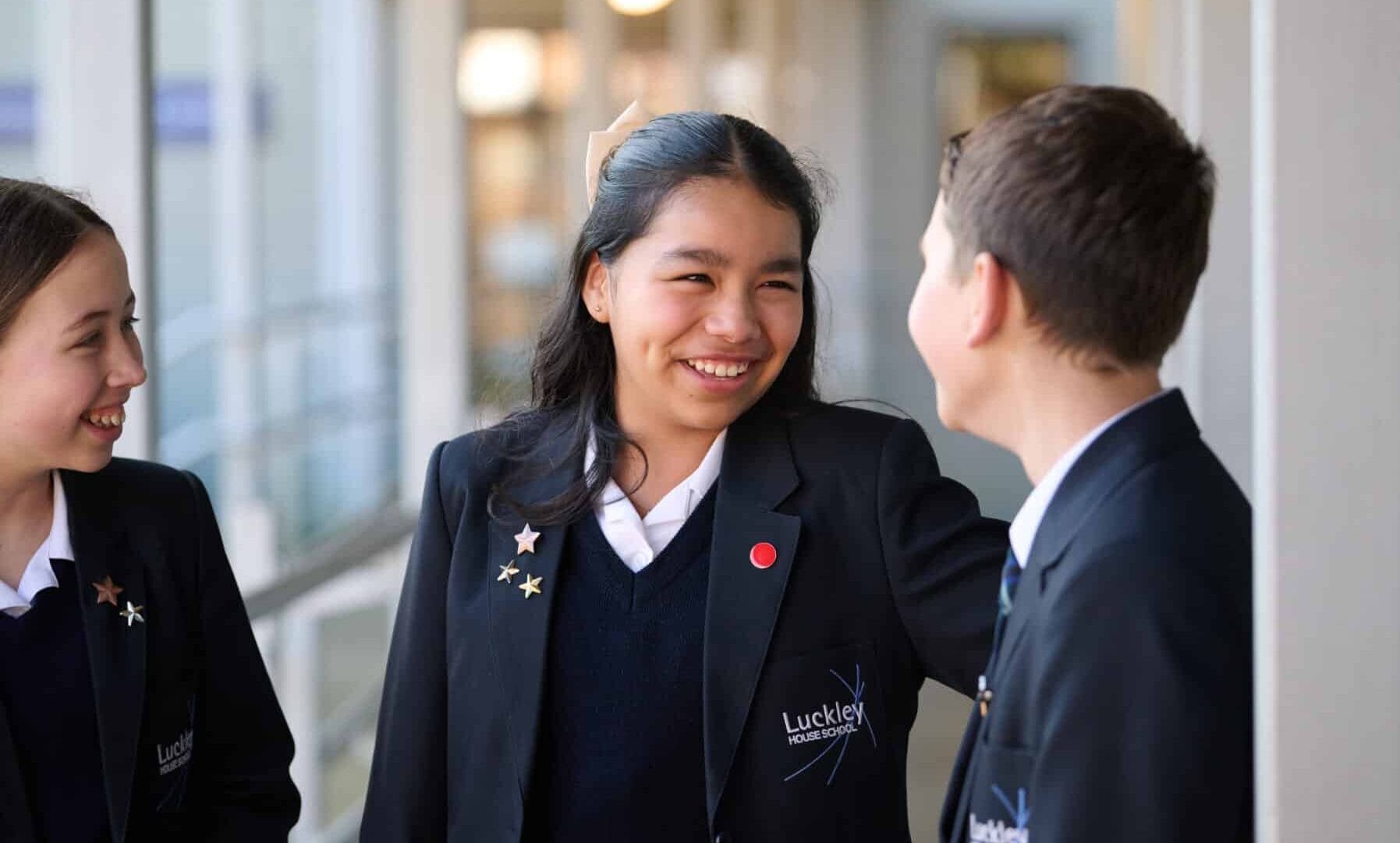
Reading is often thought of as a solitary activity, but it can also be a social one. Books create shared reference points that encourage conversation, debate and recommendation between pupils. Discussing what they are reading helps pupils develop confidence in expressing their ideas and responding thoughtfully to the views of others.
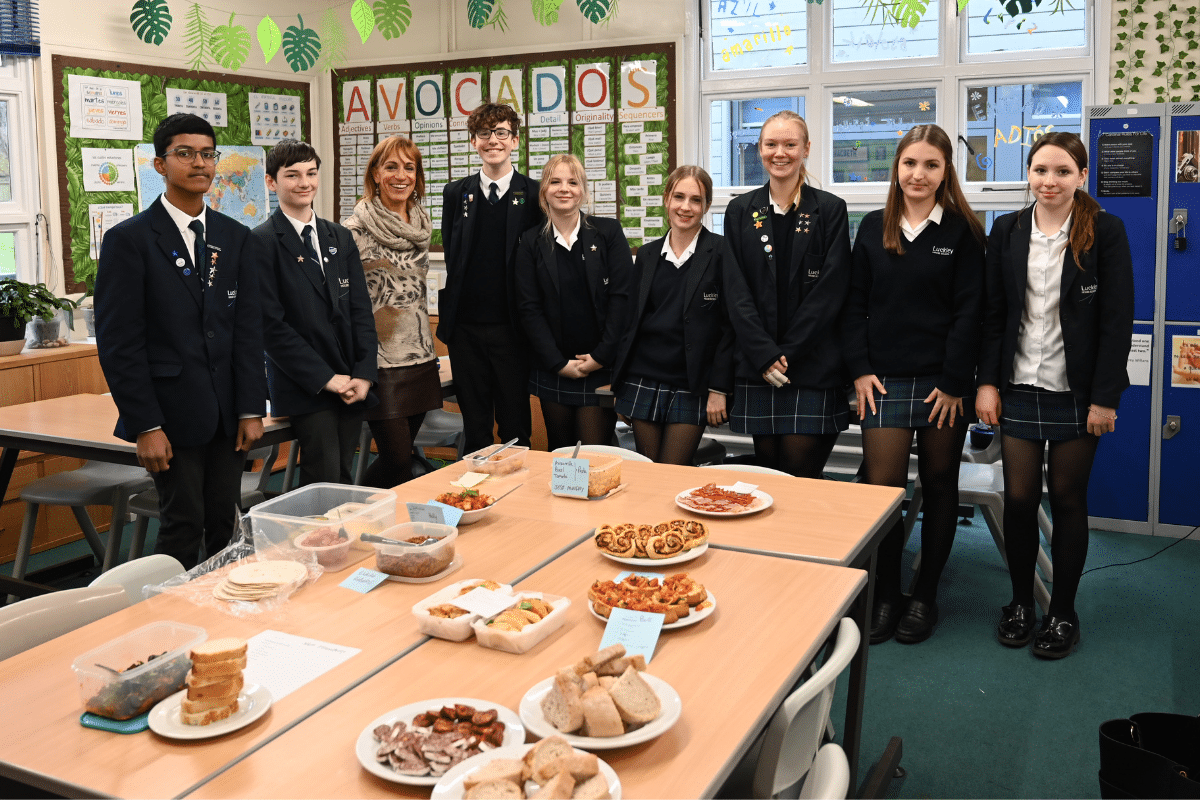
At Luckley House School, we actively foster this sense of community around reading and regularly encourage pupils to engage with books through a range of initiatives throughout the year. These include our Summer Reading Challenge, the House Reading Challenge, World Book Day events and visits from authors.
These activities help to create a culture in which reading is shared and celebrated across the School. They encourage pupils to explore new genres, exchange recommendations, and see reading not only as a personal pursuit but also as something that connects them with others.
6. Critical Thinking
Wide reading exposes young people to a range of ideas, historical contexts, and ways of thinking that sit outside the boundaries of any one subject. This breadth of reference enriches academic work, supports more sophisticated analysis, and encourages pupils to question, compare and evaluate.
Pupils who read beyond their set texts bring greater confidence and independence to their studies. They are more likely to draw on examples and contexts that are their own, and to approach their work with intellectual curiosity, a quality that makes a measurable difference to academic outcomes.
The Jubilee Library
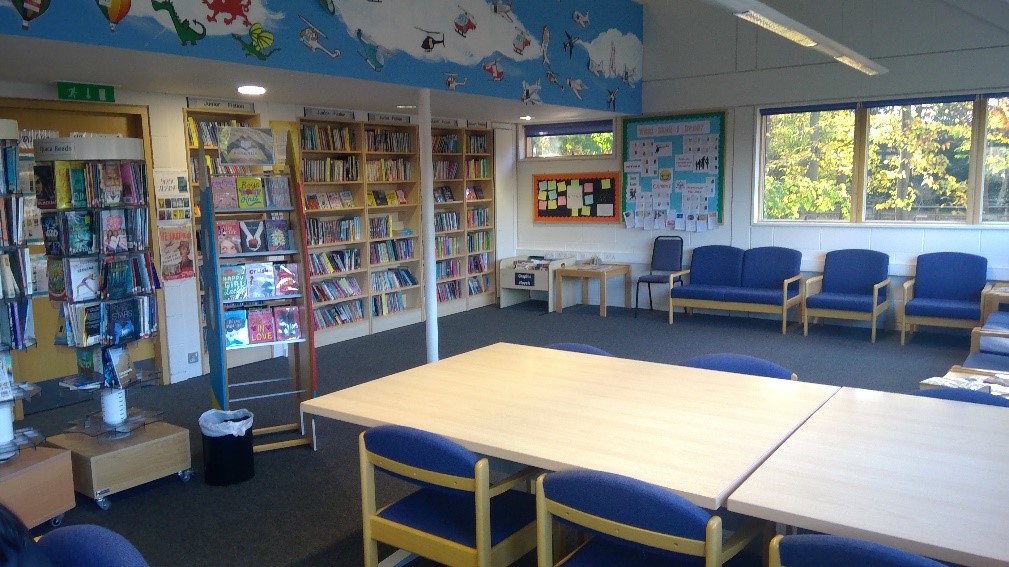
At Luckley House, our commitment to reading is reflected in the exceptional facilities we provide. The Jubilee Library, opened in 2002, is a thoughtfully designed space at the heart of the School. It comprises a bright, open-plan downstairs area alongside a mezzanine floor reserved exclusively for Sixth Form students, providing a calm and purposeful environment for independent study.
With over 7,000 books and a wide range of periodicals, the Library offers an extensive collection that caters to every interest and age group. Our resources include fiction, non-fiction, poetry, short stories, quick reads, graphic novels and academic study guides. Whether a pupil is seeking imaginative escape, subject-specific extension, or focused revision support, the Library provides both the materials and the atmosphere to enable it.
Pupils are warmly welcomed into the Library before school, during break and lunch, and after school for supervised prep. It is a vibrant, well-used space that reflects the School’s belief that reading should be both accessible and enjoyable.
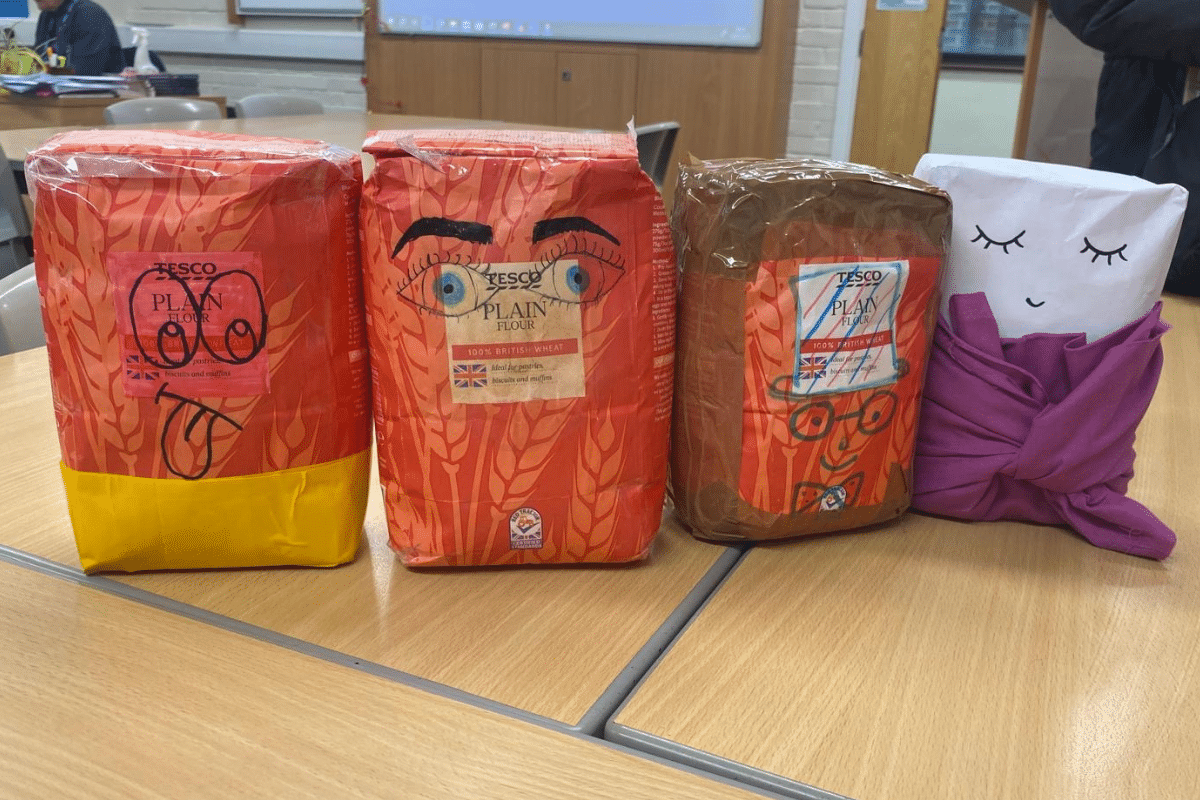
World Book Day gives us a welcome opportunity each year to celebrate reading as a pursuit that is worthwhile in its own right, as well as in support of academic achievement.
Whether rediscovering an old favourite or exploring a new genre, taking time to read can open doors to new ideas, perspectives and possibilities. The benefits are substantial, and the habit, once established, has the potential to last a lifetime.
For families interested in seeing how we foster a love of reading and learning at Luckley House School, we warmly invite you to visit and experience the School community for yourself.
Visit Luckley