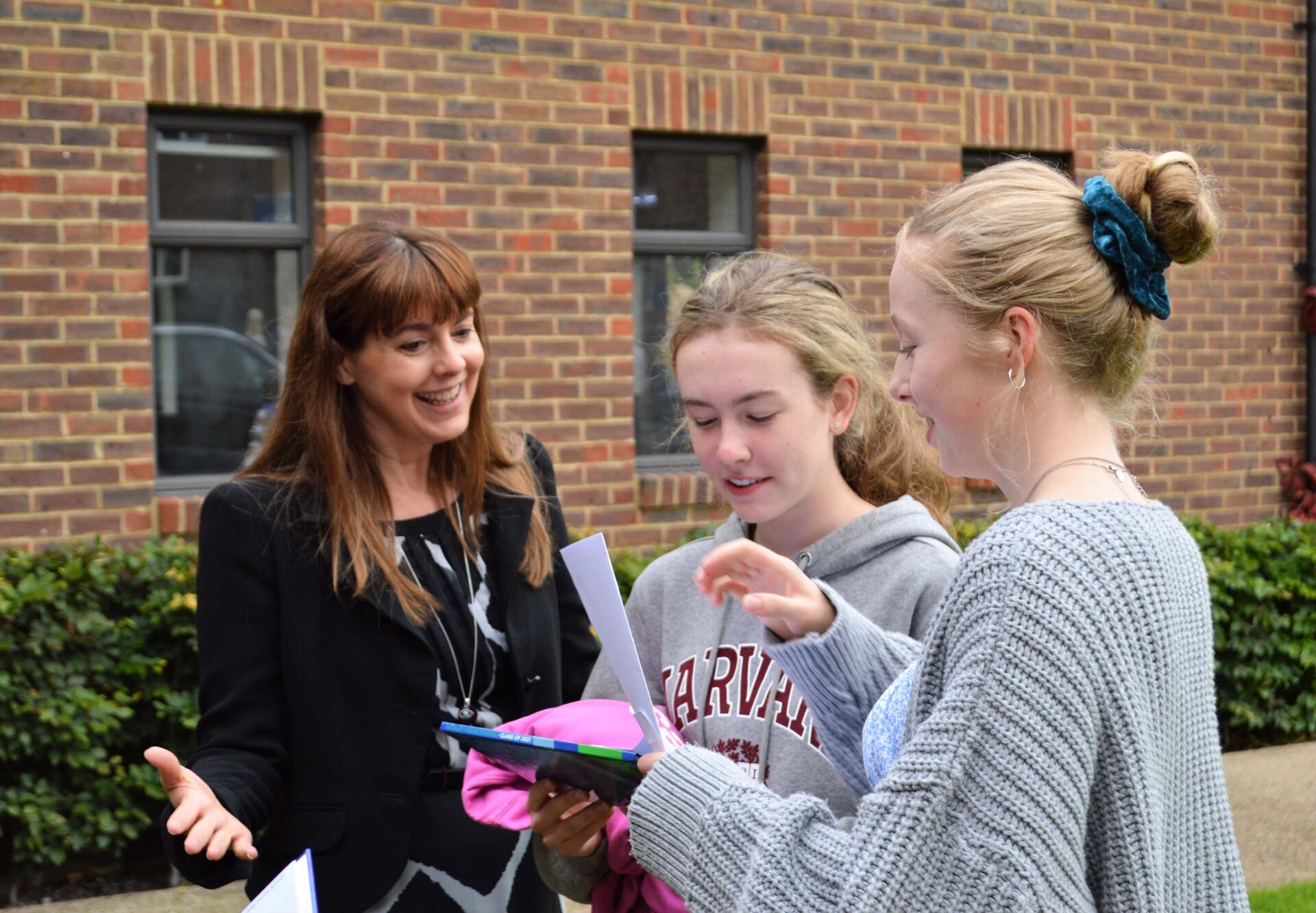
Some practical advice for pupils during the exam period from Luckley House, an Independent Boarding School in Berkshire.
Feeling anxious before exams is normal. Most pupils experience it to some degree, and a certain amount of pressure can actually help you focus. The difficulty arises when stress becomes overwhelming and interferes with sleep, concentration, or your general wellbeing.
If that is where you find yourself, it is worth knowing that there are practical steps you can take to manage exam pressure, so that you can prepare well and perform at your best.
1. Structure your time
Much of exam stress comes from a sense that there is too much to do and not enough time. A clear revision plan does not necessarily solve that problem, but it does make it more manageable.
Break your revision into specific subjects and sessions. Be realistic about how much you can cover in a day and make sure to include breaks. Research has found that taking short breaks may actually help our brains learn new skills.
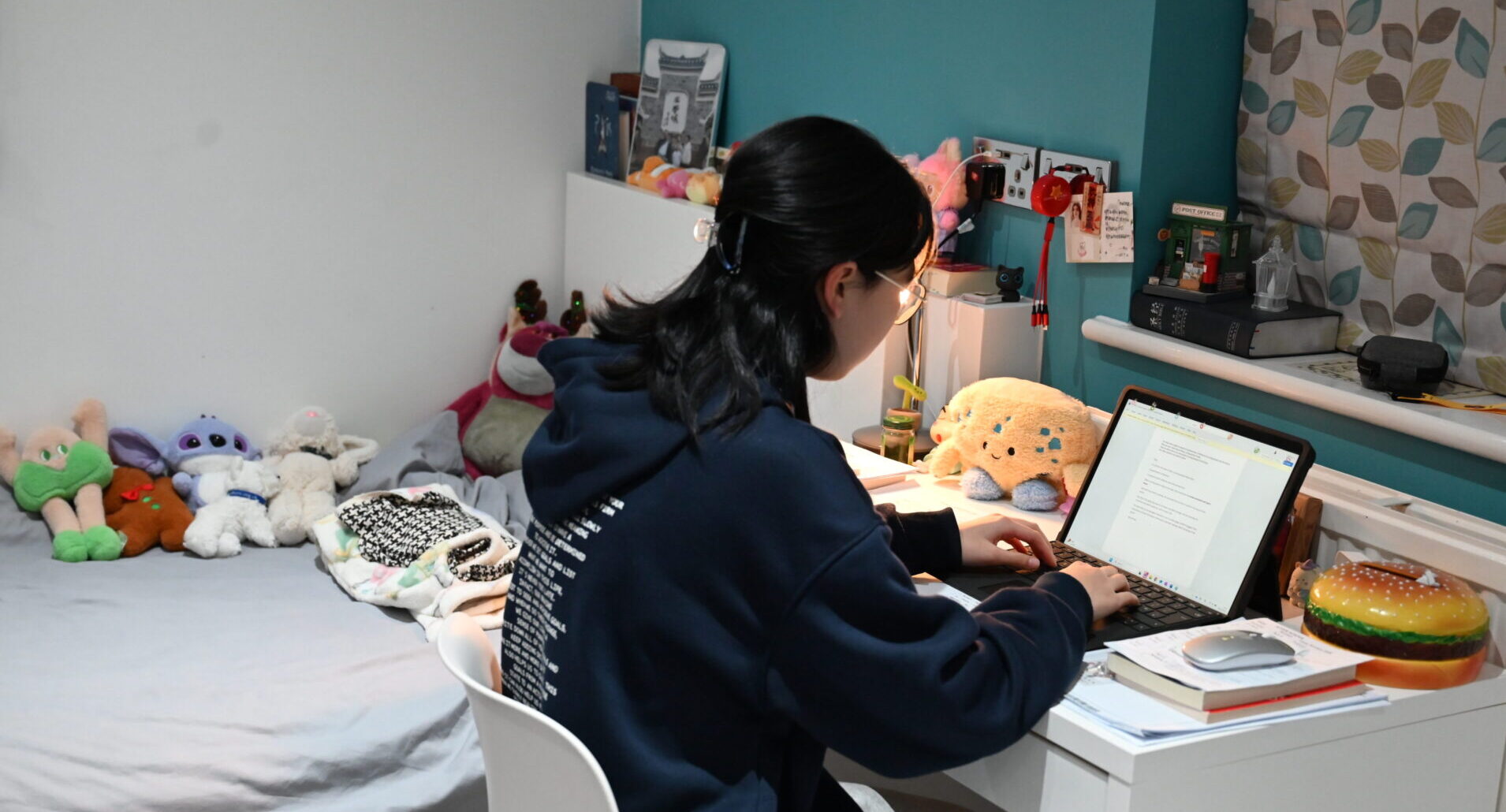
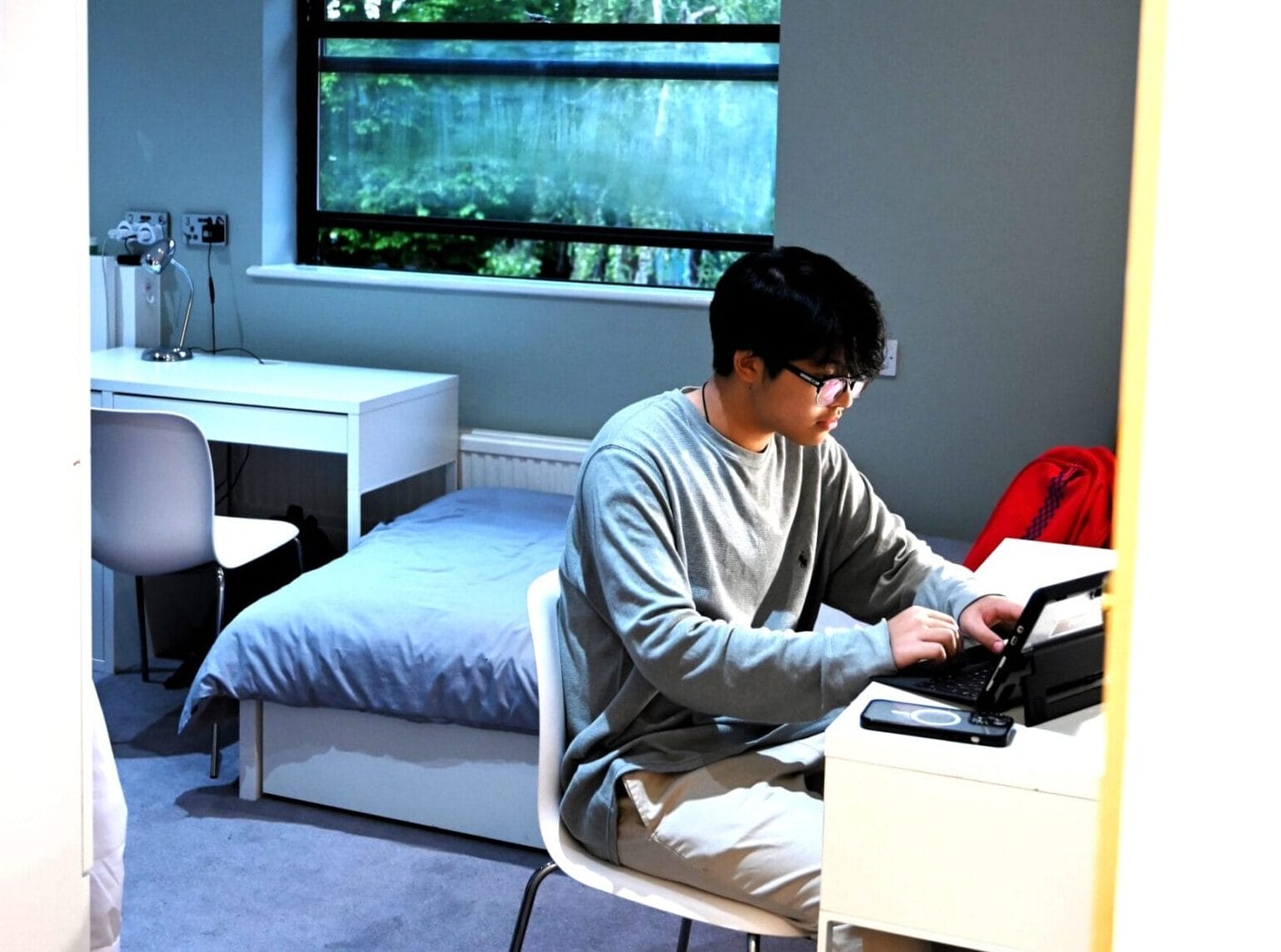
Active revision tends to be more effective than re-reading notes. Testing yourself, working through past papers, and summarising material in your own words all help information to stick.
Psychologists refer to this as the “testing effect.” A widely cited study by Roediger and Karpicke found that students who tested themselves on material retained significantly more after a week than those who spent the same time re-reading their notes. The short-term effort of retrieval practice pays off considerably over time.
If you are unsure how to approach a subject, your teacher is the right person to ask.
2. Look after your physical health
The basics matter more than most people realise during exam season.
- Aim for eight to nine hours sleep. Staying up late to revise is rarely as productive as it feels in the moment. During sleep, the brain actively consolidates what has been learned during the day, transferring information into long-term memory. A well-rested mind retains and recalls information more effectively than a tired one.
- Eat regular meals and keep water nearby when you are studying. Low blood sugar and dehydration both affect concentration.
- If you play sport or take part in any physical activity, continue doing so during this period. Exercise reduces stress hormones and supports clearer thinking.
3. Manage how you are feeling
Stress can affect your ability to concentrate, your mood, your sleep, and how you feel about yourself. It is worth having some simple strategies in place for the moments when anxiety becomes more acute.
- Controlled breathing is one of the most straightforward ways to calm an anxious response. Breathing in slowly for four counts, holding for four, and breathing out for four, repeated a few times, can make a noticeable difference.
- Writing things down can help when your mind feels cluttered. Making a list of what is worrying you, or what you still need to cover, moves those thoughts out of your head and into a form you can actually act on.
- Taking a short break when you feel overwhelmed is more productive than continuing to sit at a desk while your concentration has gone. A brief walk, some time outside, or a conversation with a friend can help you return to work more effectively.
- Limiting screen time before bed gives your mind a chance to settle. Scrolling through your phone keeps your brain in a state of alertness that makes it harder to fall asleep and stay asleep.
4. Talk to someone
Stress is easier to manage when it is not kept to yourself. If you are finding the exam period difficult, speak to someone, whether that is a friend, a parent, a teacher, or your form tutor.
You do not need to be in crisis to reach out. Saying that you are finding things difficult, or that you are not sleeping well, is enough. People around you want to help, and in many cases, being heard is itself a relief.
If your anxiety is significantly affecting your daily life, please do speak to a member of our pastoral team. There is always support available.
5. The day before and the day itself
The evening before
Do a light review of key material if it helps, but avoid trying to cover new content. Prepare everything you need so that the morning is straightforward. Give yourself time to wind down before bed rather than revising until the last moment.
Flexi-boarding during the exam period is worth considering. Being on site the evening before an exam removes the uncertainty of travel and timing and lets you start the following morning calmly, knowing you are already in the right place.
On the day
Eat a healthy breakfast that will keep you going throughout the morning. Leave enough time to arrive calmly. Before starting, read through the paper carefully and think about how you will manage your time. If you feel your concentration slipping, pause briefly and take a few steady breaths. If you become stuck on a question, it is sensible to move on and return to it later. This helps you maintain progress through the paper.
Afterwards
Resist the urge to go through every answer with your peers immediately afterwards. It rarely helps and often increases anxiety. Give yourself time to reset before the next exam.
Final Thoughts
Exams are important, and it is right to take them seriously. At the same time, the habits you build during this period also matter. Learning how to manage your time, respond to pressure, and look after your wellbeing will support you not only in exams, but in many situations beyond them.
The staff at Luckley House School are here to support you throughout the exam period. If you need guidance, reassurance, or simply someone to talk to, please do not hesitate to reach out.