At Luckley House School, an independent school in Berkshire, music is a central part of a broad and balanced education. We believe that every pupil should have the opportunity to engage with music in a way that is both meaningful and enriching.
Music is one of the most powerful forms of human expression and has shaped culture and society for as long as records exist. The oldest discovered musical instruments date back over 40,000 years, evidence that making music is deeply embedded in what it means to be human.
It follows that a strong music education offers far-reaching benefits for young people, supporting academic development, emotional wellbeing, and social growth.
learn moreMusic develops the brain
Research consistently shows that both listening to music and learning an instrument have measurable effects on brain development.
Musical training in childhood is linked to enhanced cognitive function and structural changes in the brain. These changes extend beyond musical ability into verbal skills, language acquisition, non-verbal reasoning, and overall general intelligence.
Music training is also associated with improvements in working memory, that is, the ability to hold and manipulate information in real time. This is a foundational skill for learning. It underpins reading comprehension, problem-solving in mathematics, and the ability to follow complex instructions. Strengthening working memory through music has direct academic benefits across the curriculum.
In addition, learning music requires sustained attention, pattern recognition, and the integration of multiple sensory inputs (visual, auditory, and motor). These demands help to build concentration and mental flexibility.
Music builds confidence and resilience
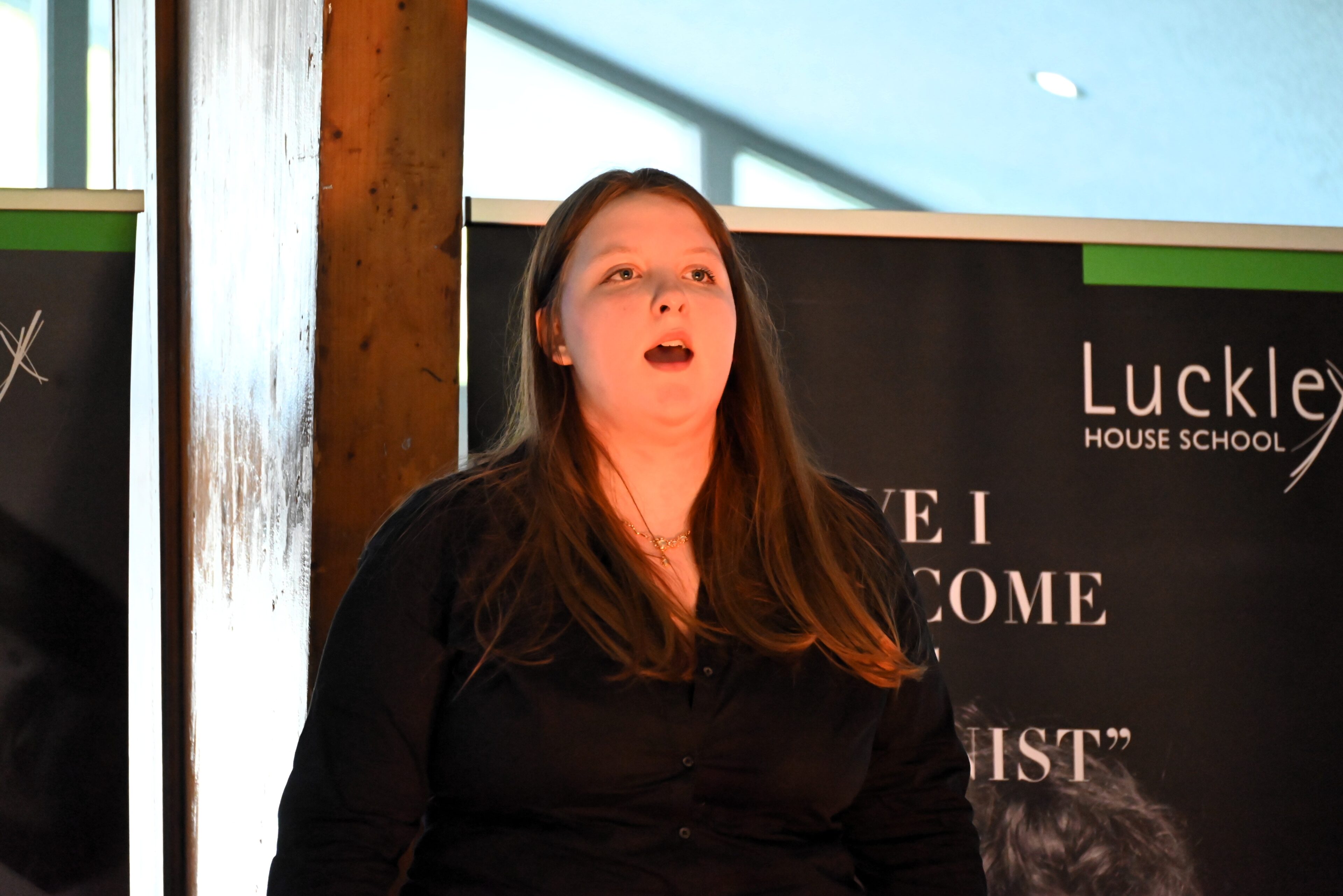
Performance is an integral part of music education, and it presents a structured challenge. Pupils must prepare thoroughly, manage nerves, and present their work publicly. Successfully navigating this process builds confidence that extends beyond music.
The experience of performing, whether in a small recital or a large concert, develops composure under pressure and the ability to recover from mistakes in real time. These are transferable skills, relevant to public speaking, academic assessment, and professional life.
Learning an instrument also develops resilience. Progress is incremental and often uneven. Pupils encounter technical difficulties, periods of slow improvement, and the need for repeated practice. Over time, they learn that consistent effort leads to progress. This reinforces a mindset that values persistence, discipline, and long-term commitment.
Music teaches collaboration
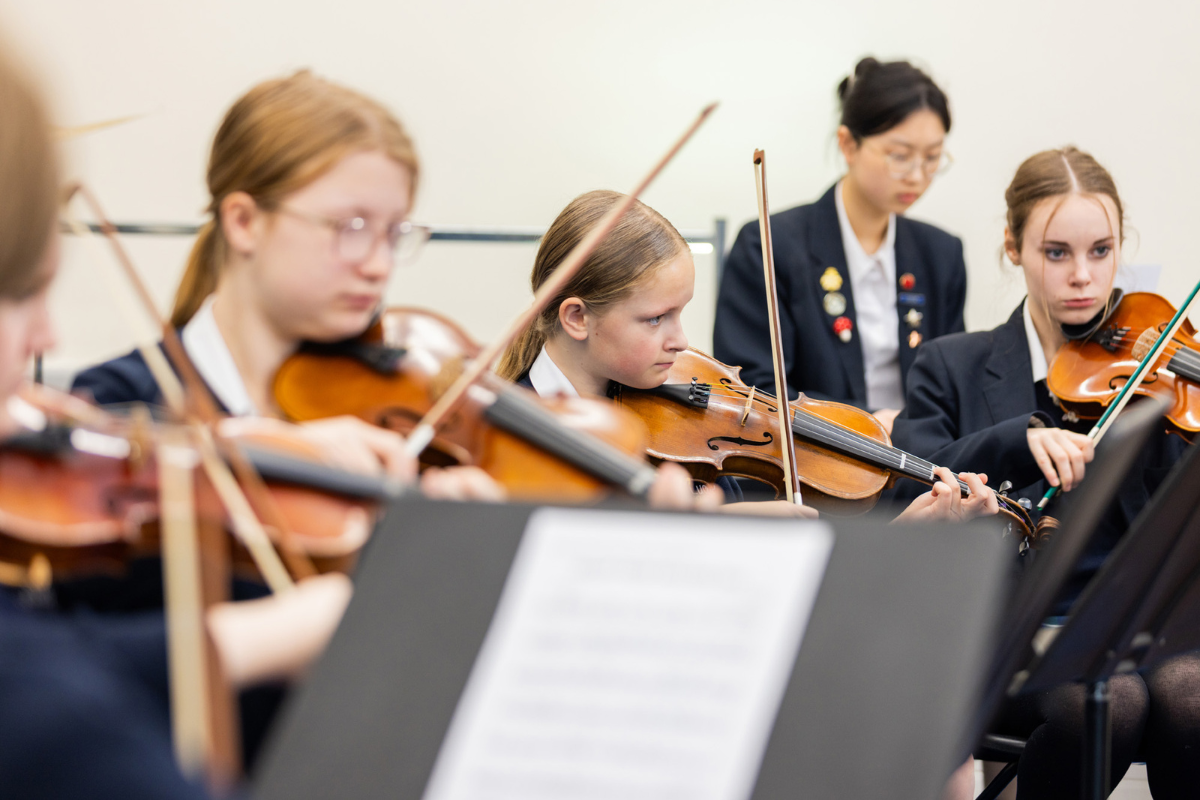
In ensembles, pupils must balance individual responsibility with group awareness. Each player contributes a distinct part, but success depends on how well those parts fit together.
This requires active listening, timing, and sensitivity to others. Pupils learn to adjust, respond, and support the group in real time. They also develop non-verbal communication skills, relying on visual cues and shared understanding.
These experiences translate directly into effective teamwork. Pupils learn how to contribute to a collective goal, take responsibility for their role, and adapt within a group setting.
Music provides an emotional outlet
Music offers a structured and constructive way for young people to engage with their emotions.
Adolescence can bring significant emotional and social change. Music provides a medium through which pupils can explore and express what they are experiencing, whether through performance, composition, or listening.
Neurologically, music engages multiple areas of the brain simultaneously. It connects regions involved in memory and emotion, including the hippocampus and amygdala, as well as systems responsible for reward, motivation, and movement. This makes music a particularly effective way of processing and regulating emotional responses.
Importantly, music also allows for reflection. It gives pupils space to interpret, create, and respond in ways that are both personal and structured.
Music supports future pathways
Music education develops habits that are valuable across all areas of study: discipline, organisation, attention to detail, and the ability to work independently.
Formal music qualifications, such as graded examinations, provide clear milestones and are recognised by universities as evidence of sustained commitment and skill development. They also demonstrate the ability to manage long-term goals alongside academic study.
Beyond traditional performance, music technology is an increasingly relevant field. Skills in digital audio production, composition software, and sound design are applicable across a wide range of industries, including film, television, gaming, and media production. Exposure to these areas equips pupils with practical, transferable skills in a growing sector.
Music education at Luckley House School
At Luckley House School, music is a core part of the curriculum in Years 7 to 9, ensuring that all pupils develop a foundation in the subject before making choices at GCSE and A Level.
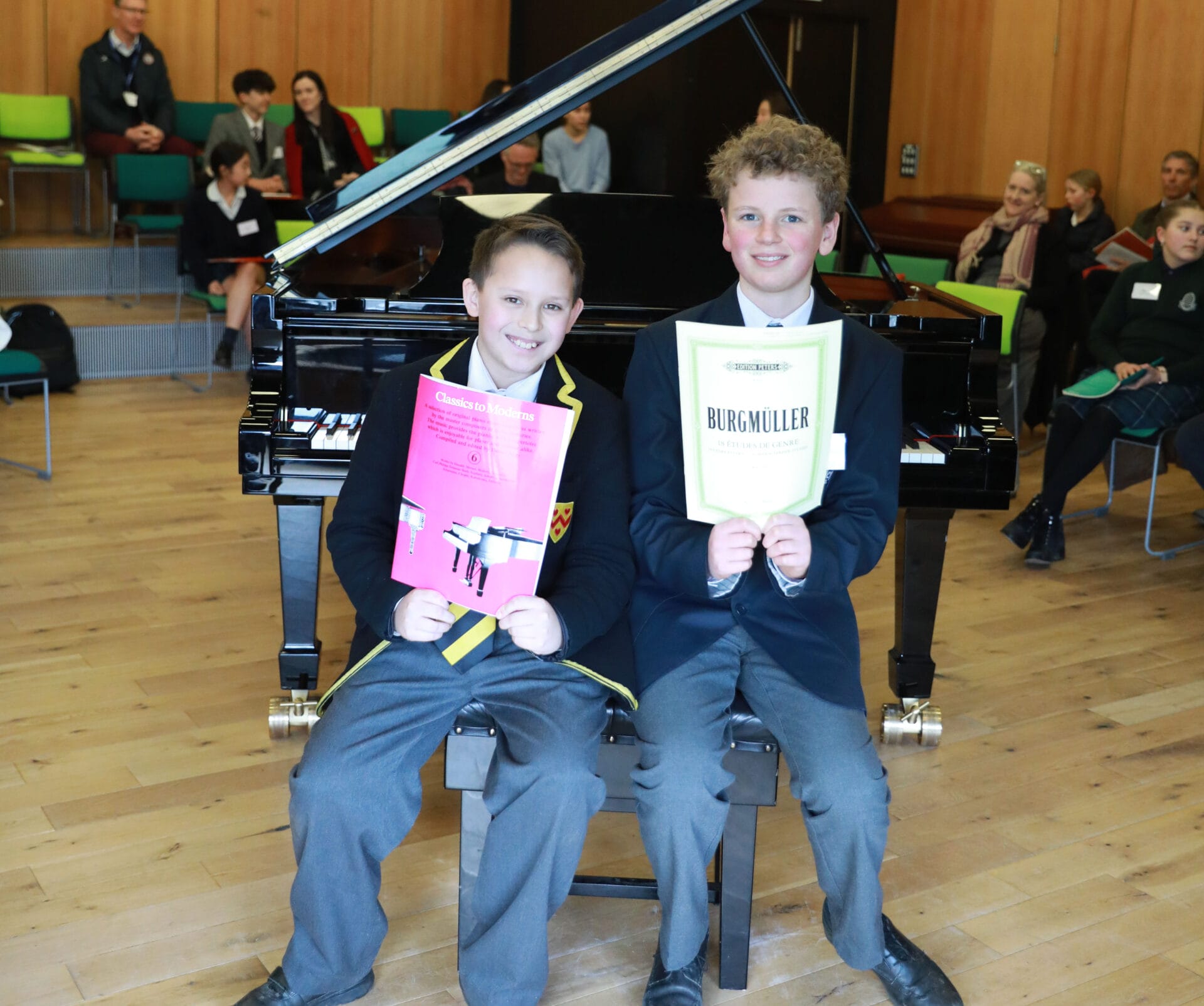
Individual instrumental lessons are available across a wide range of instruments and are taught by specialist teachers. Pupils are encouraged to work towards external examinations where appropriate, supporting structured progression.
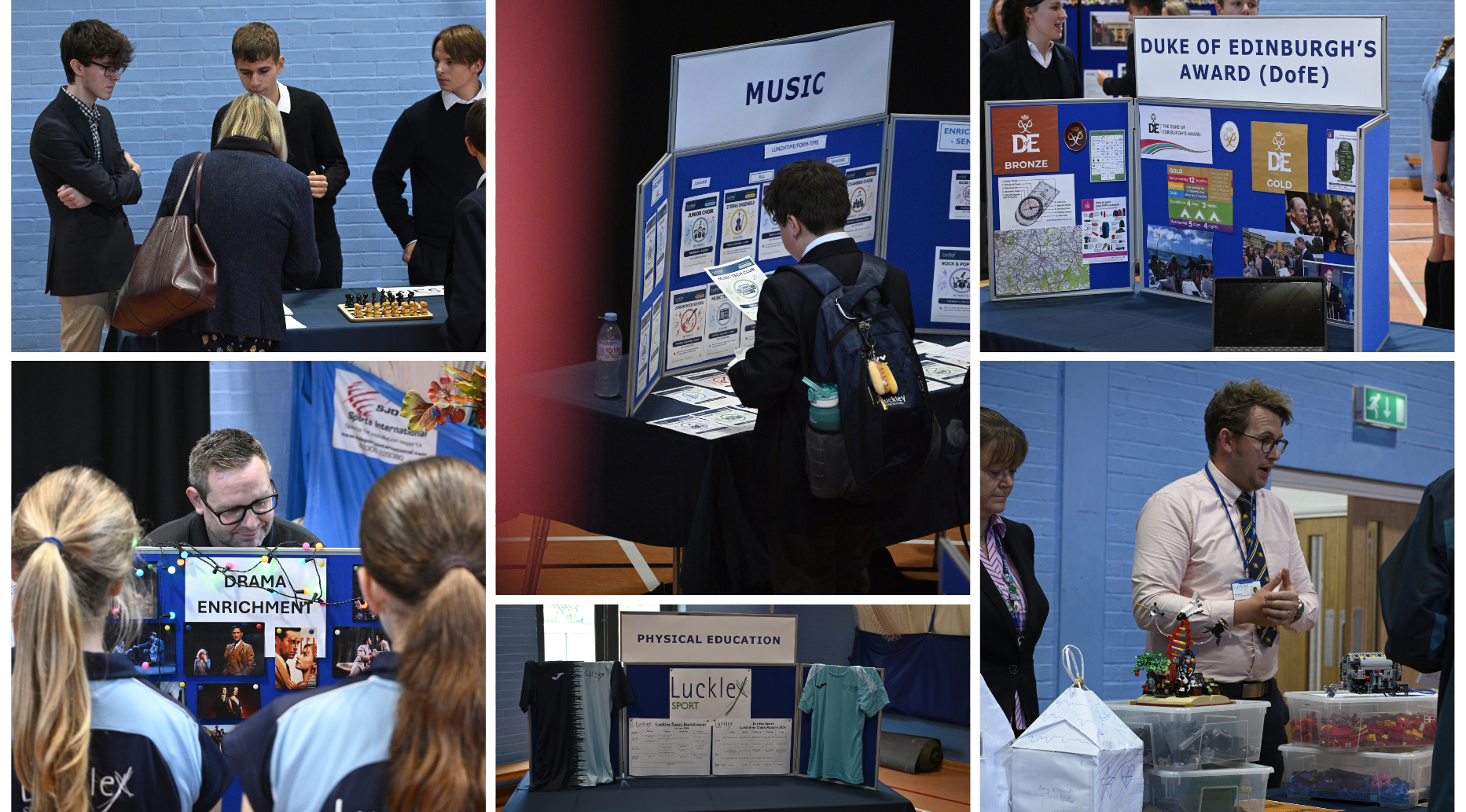
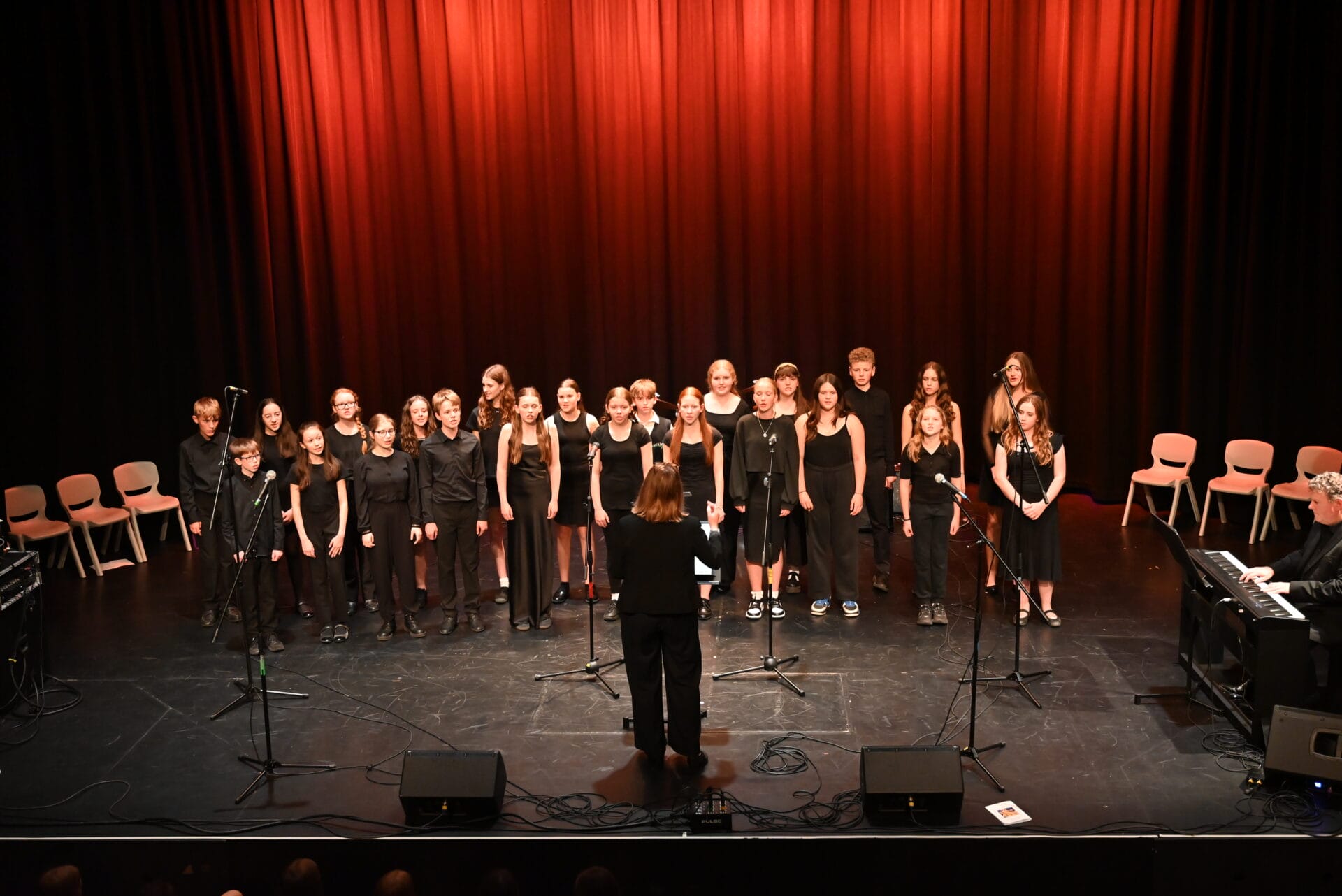
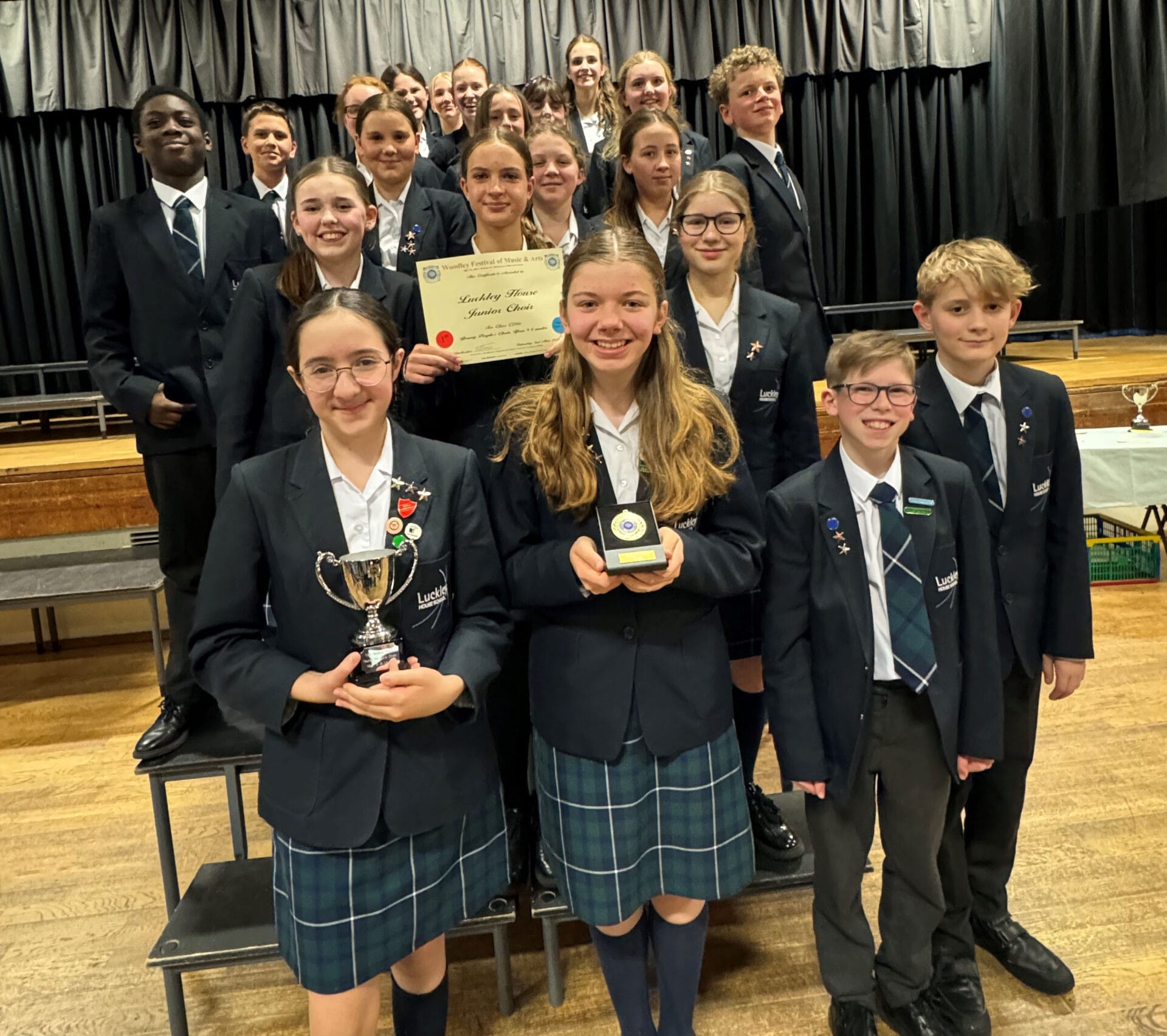
A broad co-curricular programme offers regular opportunities to perform and collaborate. Ensembles include orchestra, chamber choir, Swing Band, and Rock School. These settings allow pupils to apply their skills in different contexts and develop confidence through performance.
The Music Technology suite provides access to industry-standard software and equipment, enabling pupils to compose, record, and produce their own work. This ensures that music education reflects both traditional and contemporary practices.
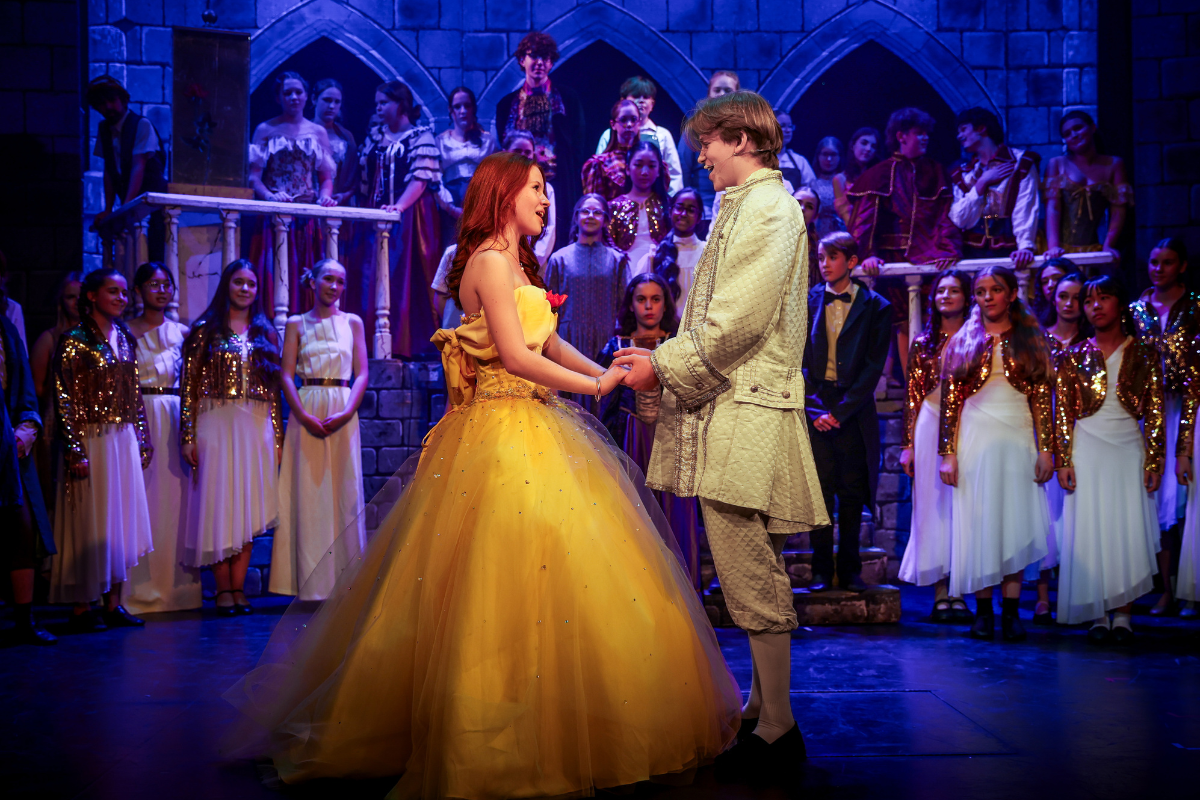
Regular performance opportunities, including concerts, recitals, Speech Day, and musical theatre productions, allow pupils to experience the full process of preparation and presentation.
Performing Arts at Luckley House School is designed to be inclusive and progressive. Whether a pupil is developing an existing interest or encountering music for the first time, the aim is to provide the skills, opportunities, and support needed to engage with it meaningfully.