Revision is most effective when it is spread out over time.
When exams are approaching, it can be tempting to cram, reading the same notes again and again in the hope that the information sticks. This can feel productive, but information learned this way tends to fade quickly.
A revision timetable built around spaced learning offers a better approach. By planning to return to topics at regular intervals, pupils can remember more, feel more confident and reduce stress as exams approach.
In this blog, we explain what spaced learning is, why it works and how to use it to create a revision timetable that helps you make the most of your revision time.
What is spaced learning?
Spaced learning means revisiting the same material several times over a period of days, weeks or months, rather than trying to learn it all in one go.
Instead of spending a whole day on one topic, you might study it briefly today, return to it in a few days, then again the following week and again a few weeks later.
Each time you revisit a topic, you strengthen your memory of it and make it easier to recall when you need it.
Each gap gives your brain time to forget a little, so recalling the information takes some effort. The harder your brain has to work to retrieve something, the more likely it is to be saved to long-term memory.
Why does spaced learning work?
We naturally forget new information over time. The psychologist Hermann Ebbinghaus studied this in the late nineteenth century and described what is now known as the forgetting curve: without review, our memory of new material fades quickly, particularly in the first few days.
Revisiting information just as it begins to fade interrupts this process. Each review helps the memory last a little longer, so the gaps between reviews can gradually increase.
Spaced learning also works well alongside active recall, sometimes called retrieval practice, which means testing yourself by retrieving information from memory rather than simply rereading it. When you have to work to remember something, you are more likely to remember it in the future.
Together, these approaches help pupils build knowledge that lasts.
How to create a revision timetable using spaced learning
Creating a revision timetable based on spaced learning takes some planning at the start, but it makes revision far more manageable in the long run.
1. Start early
Spaced learning needs time. The earlier you begin, the more opportunities you will have to revisit each topic.
Ideally, start planning several months before your exams.
Starting early also means revision sessions can be shorter and less intense, leaving time for rest, hobbies and time with friends and family.
2. List your subjects and topics
Write down every subject you are studying and break each one into topics.
Being specific is important. “Biology” is hard to revise in one session, but “cell structure” or “the heart and circulation” is far more manageable.
You may find it helpful to rate each topic using a simple traffic light system: red for topics you find difficult, amber for those you partly understand and green for those you feel confident about.
3. Map out the time available
Next, look at the weeks between now and your exams and work out when you can realistically revise.
Remember to account for lessons, homework, after school clubs, sport, music practice, family commitments and rest. A timetable that includes time to relax is much easier to stick to.
Short, focused sessions are often more effective than long ones.
4. Plan your review intervals
When you first revise a topic, schedule the next reviews at increasing intervals. A simple pattern might look like this:
- First review: the day after you first study the topic
- Second review: around three days later
- Third review: one week later
The exact intervals do not need to be perfect. What matters is returning to each topic several times, with the gaps growing longer as your confidence grows.
Topics marked red may need more frequent reviews, while green topics can be spaced further apart.
5. Mix your subjects
Rather than spending a whole session on one topic, try mixing related topics within a subject. In biology, for example, you could move between cells, ecology and genetics in one session. This is known as interleaving.
Switching between topics can feel harder at first, but it makes your brain work more actively. It also helps you see how topics connect and tell similar ideas apart, which makes it easier to use the right knowledge in the exam.
6. Use active revision techniques
Rather than rereading notes or highlighting, try using techniques that make you recall information:
- Test yourself with flashcards
- Complete past paper questions
- Write down everything you can remember about a topic, then check your notes for gaps
- Create mind maps from memory
- Explain a topic out loud to a friend or family member
Later reviews in your timetable can be quicker than the first session. A short quiz or a few exam questions may be all you need to check that a topic has stuck.
7. Review and adjust
A revision timetable should be flexible.
At the end of each week, look back at what you have covered. Update your traffic light ratings and move topics around if needed. If something has slipped, simply reschedule it rather than trying to catch up all at once.
Keeping track of your progress can also be motivating, as you see how much you have achieved.
Tips for sticking to your revision timetable
A few simple habits can help you get the most from your timetable:
- Keep your timetable somewhere visible, such as on your wall, in a planner or on your phone.
- Plan in breaks and rewards. Rest gives your brain time to process what you have learned.
- Put your phone in another room during revision sessions to avoid distractions.
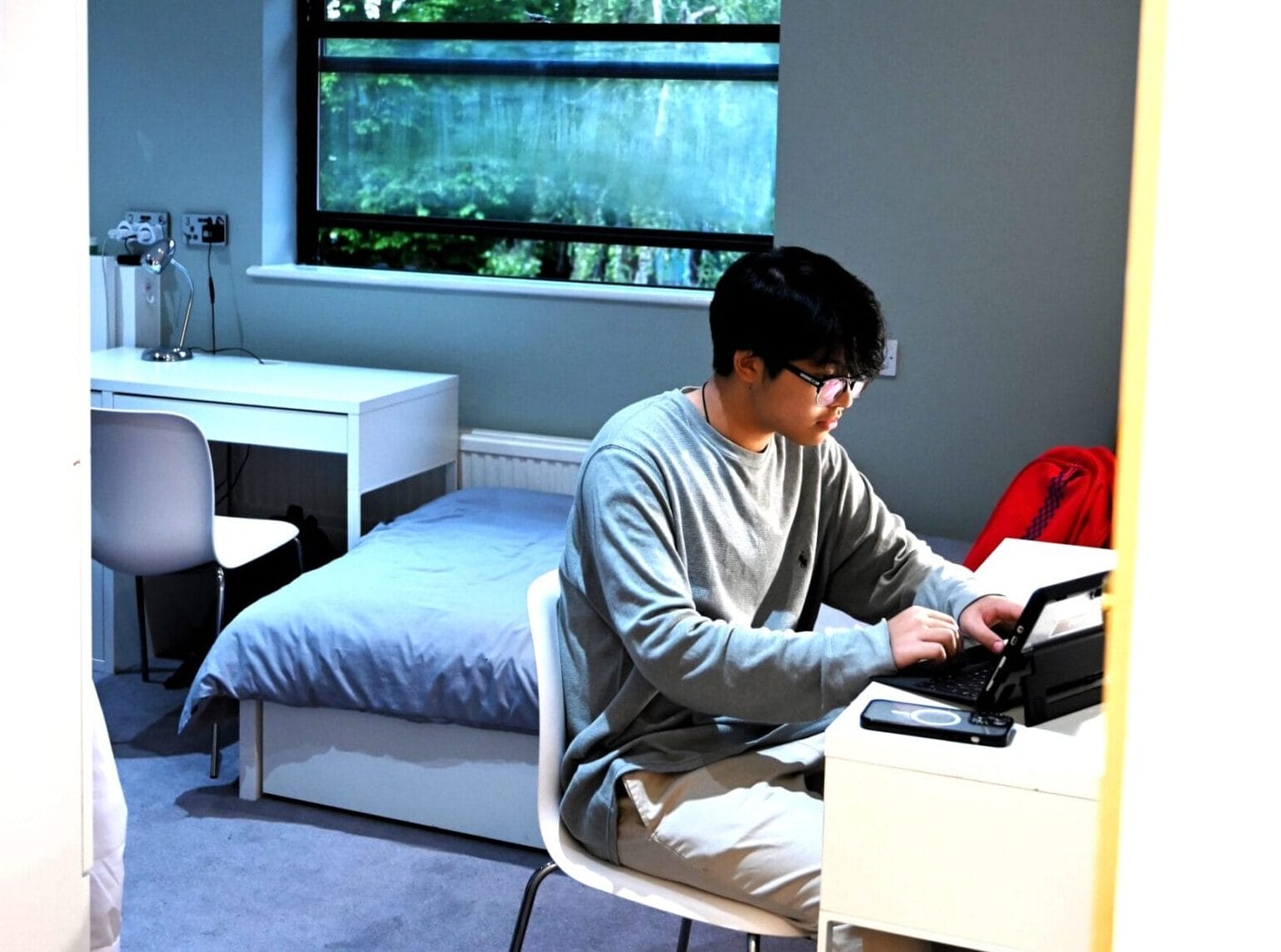
- Look after your wellbeing. Sleep, regular meals, exercise and time outdoors all support memory and concentration.
- Ask for help early if you are finding a topic difficult. Your teachers are there to support you.
How parents can help
Parents can play a valuable role in supporting revision.
Helping your child plan their timetable, providing a quiet space to work and encouraging a healthy balance between revision and rest can all make a real difference. Taking an interest in what they are revising, or offering to test them with flashcards, can also help keep motivation high.
Revision support at Luckley House School
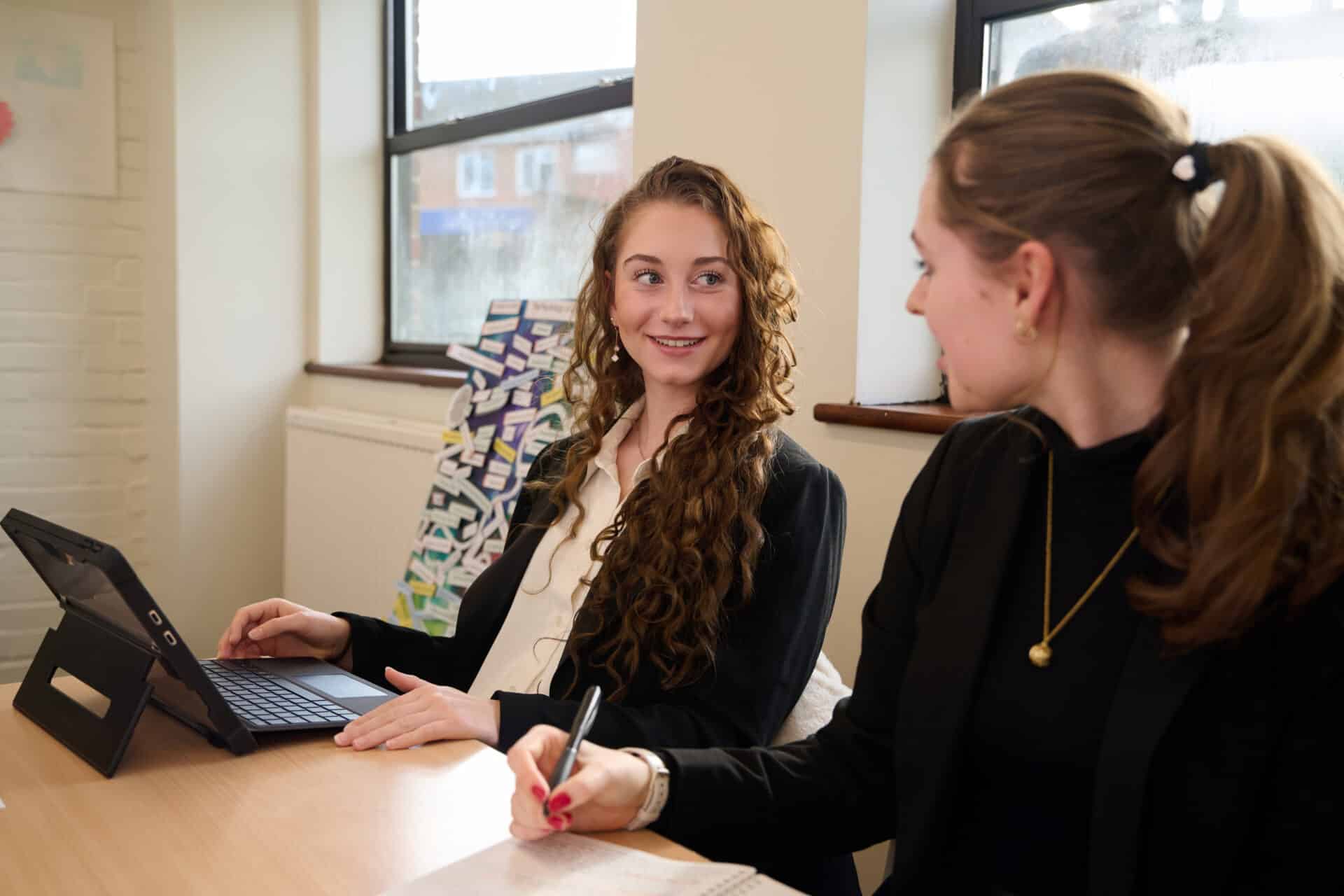
At Luckley House, study skills are led by our Learning Skills team, who help pupils develop effective habits for independent learning and revision.
Pupils are encouraged to avoid cramming and to use spaced learning and active recall instead. Understanding the difference between information that feels familiar and information that can actually be recalled helps pupils revise more efficiently and approach tests and exams with confidence.
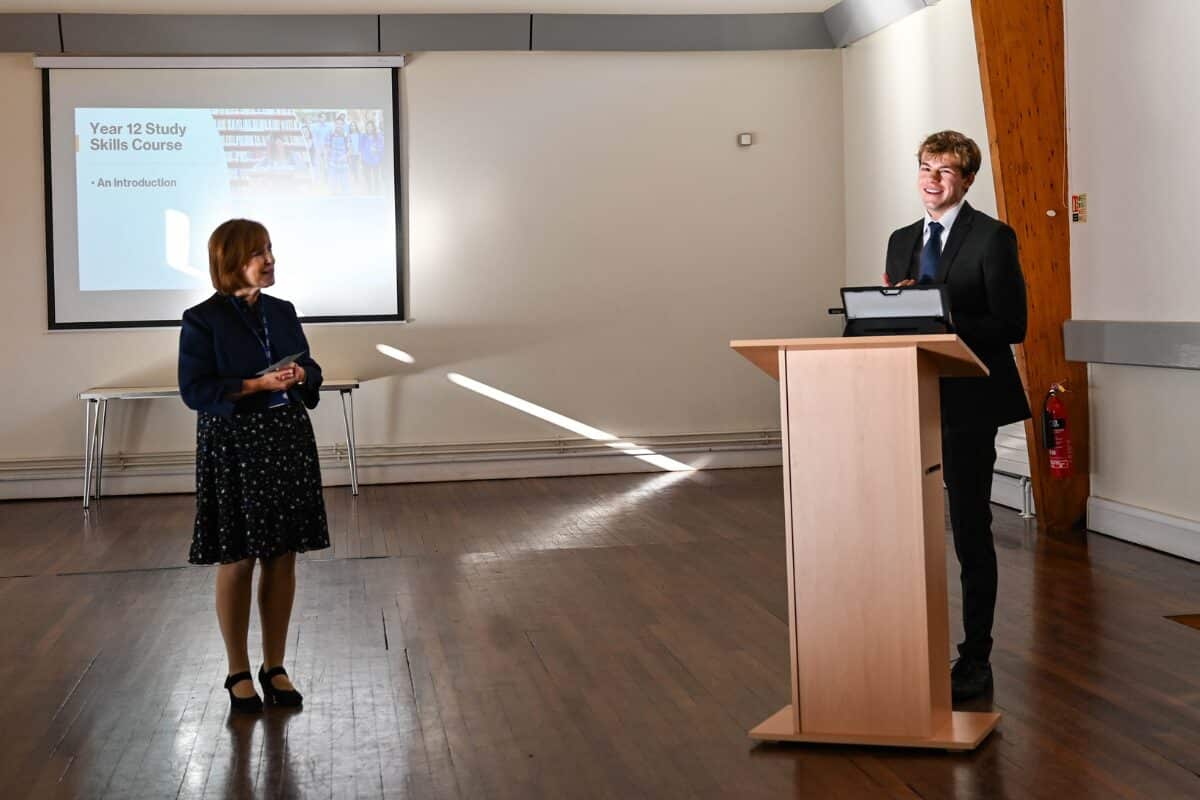
For students starting Sixth Form, our six-week study skills course supports the move to A Level study. The course focuses on ‘efficient effort’, helping students use their time productively by concentrating on the tasks that give the greatest return for the time they invest. Key areas typically include:
- Goal setting
- Resource organisation
- Effective note making
- Revision techniques
- Exam preparation
- Utilising feedback
By learning to see feedback as a way to improve, students develop academic buoyancy and a strong belief that they can succeed, meet their goals and take control of their future. These habits will serve them well at university and in the workplace too.

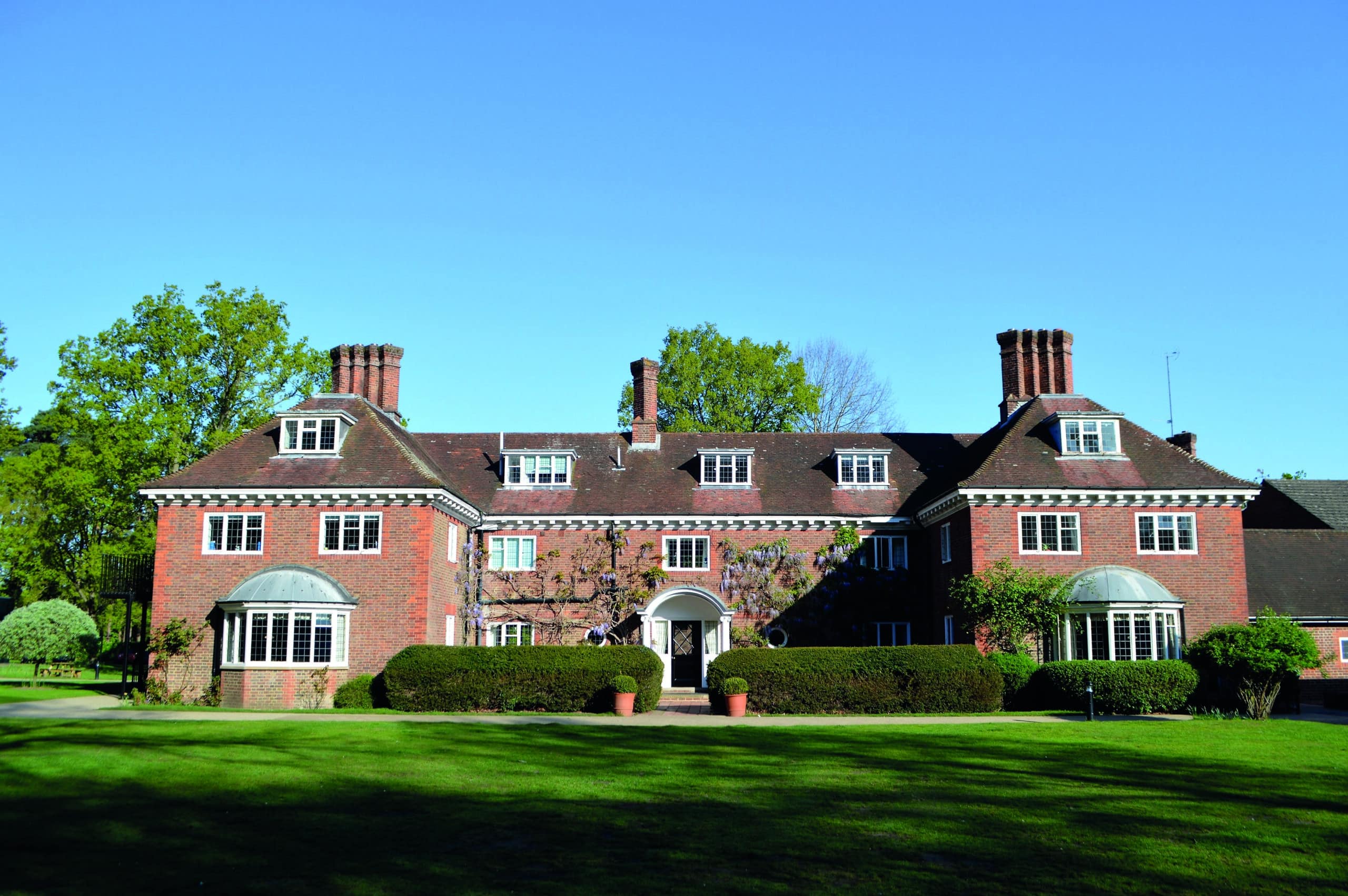
At Luckley House School, an independent day and boarding school in Berkshire, we encourage every pupil to be curious, ask questions and discover what they are capable of.
To find out more about life at Luckley House, book a visit.
Visit Luckley