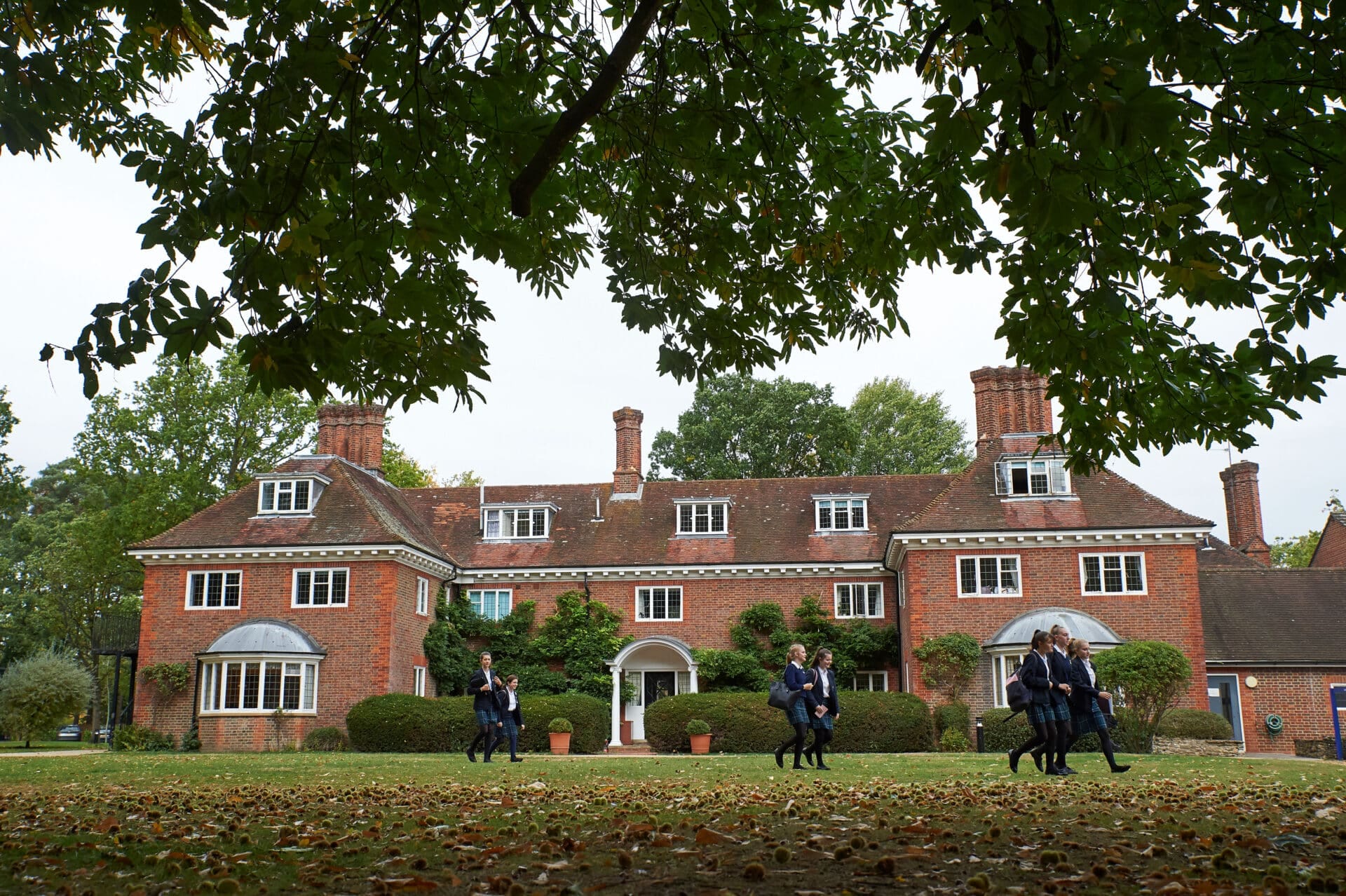
At Luckley House School, an Independent School in Berkshire, we understand that every pupil learns differently. Some take to exams naturally, while others build success steadily through consistency, support and self-belief. The encouraging reality is that academic performance is not fixed. With the right strategies, habits and environment, pupils can significantly and sustainably improve their outcomes over time.
Here are eight practical, evidence-informed ways pupils can improve academic performance without sacrificing their wellbeing in the process.
Learn More1. Build Consistent Study Habits
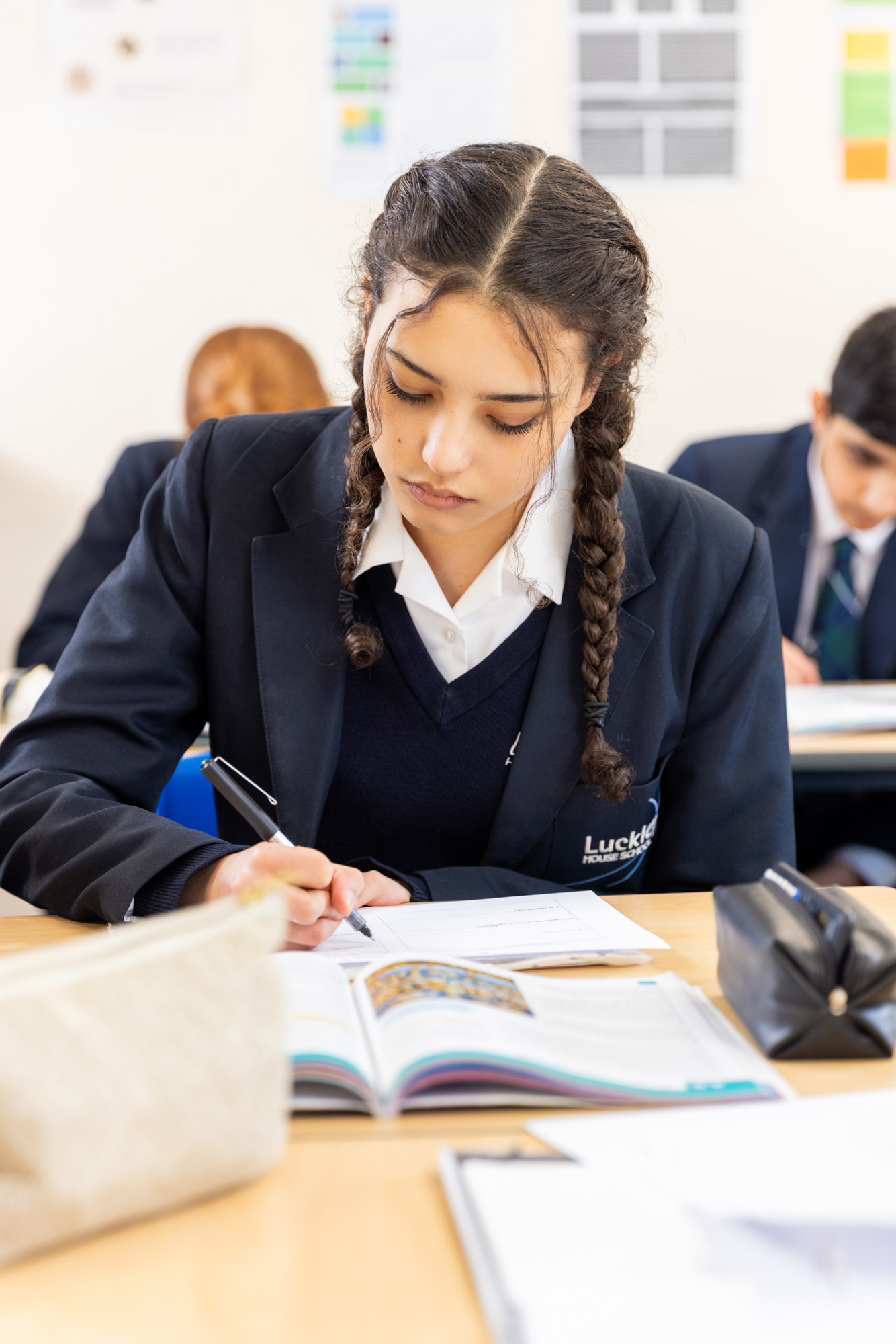
One of the biggest mistakes pupils make is relying on last-minute revision. Cramming may temporarily support short-term recall, but it rarely leads to deep understanding or lasting retention. Revisiting study material at regular intervals, often referred to as spaced repetition, is far more effective than marathon revision sessions the night before an exam.
By spacing learning over time, pupils give their brains repeated opportunities to strengthen memory and understanding.
Simple habits can make a major difference:
- Reviewing notes regularly rather than only before assessments
- Breaking larger tasks into smaller, manageable goals
- Creating a realistic revision timetable
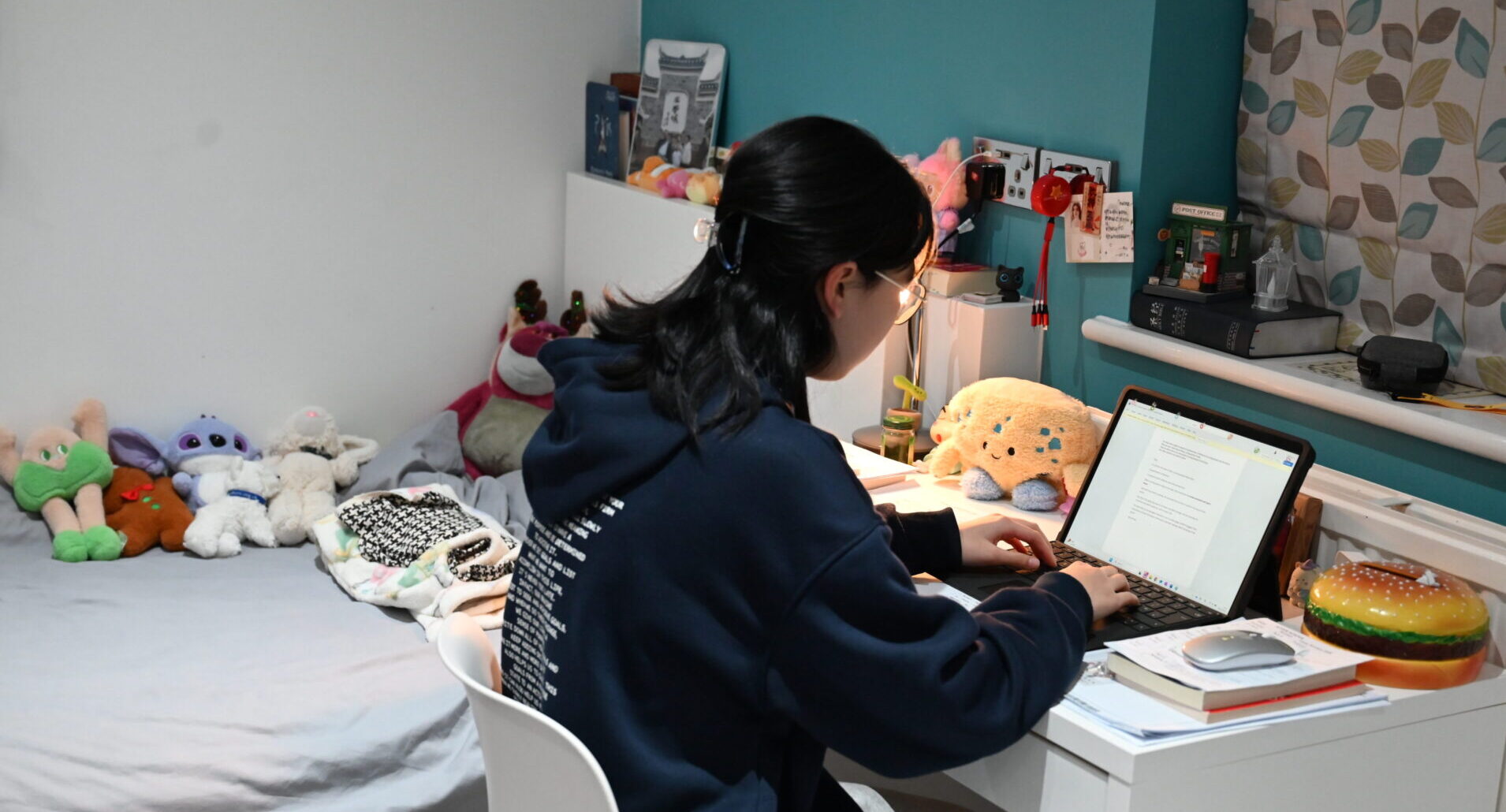
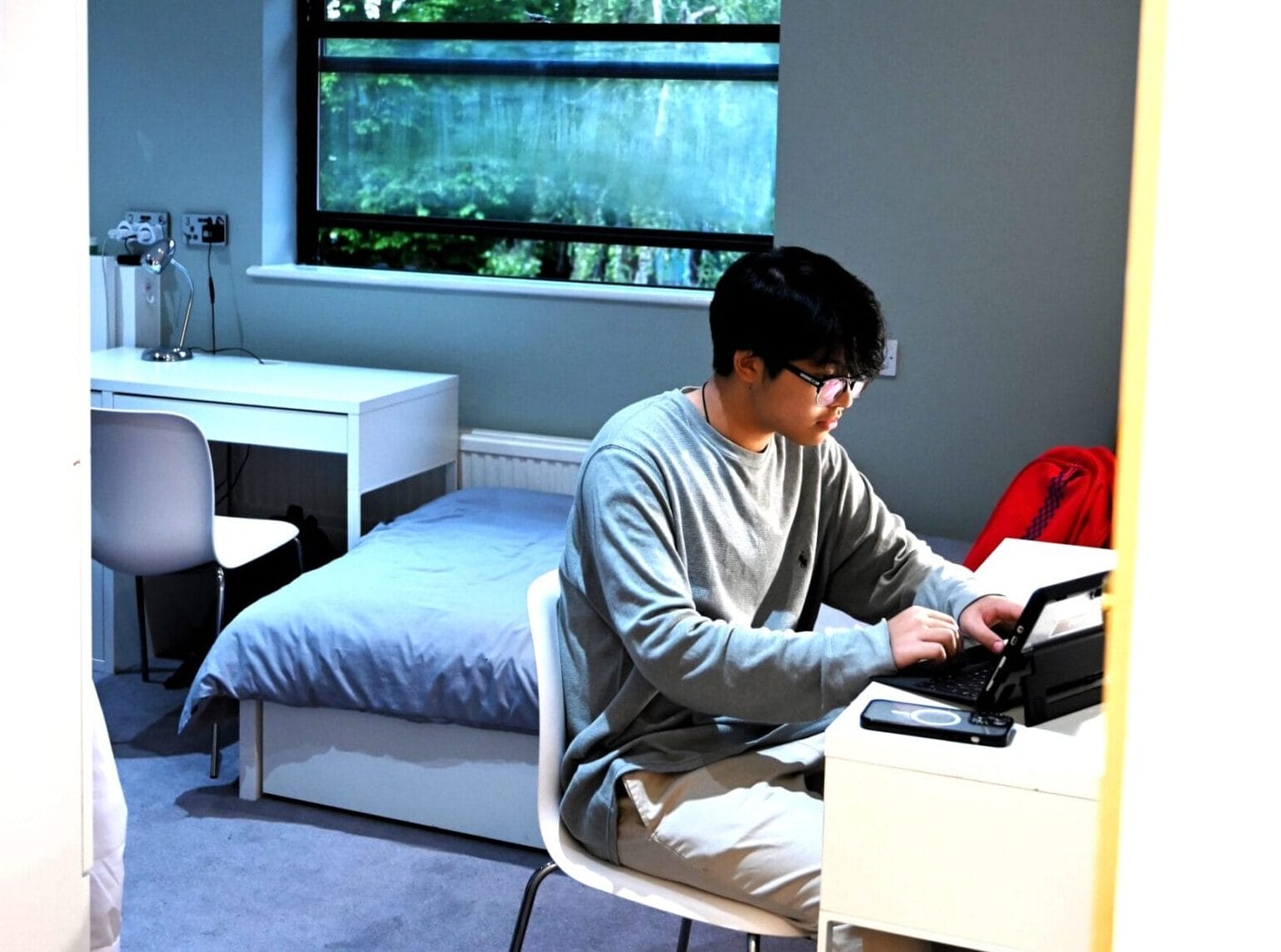
- Studying in a distraction-free environment
- Testing understanding through self-quizzing rather than passive re-reading
The cumulative effect of small, consistent efforts is significant. Regular studying also reduces anxiety, helping pupils feel more in control of their workload rather than constantly trying to catch up.
2. Prioritise Sleep and Wellbeing
Sleep is often overlooked when discussing academic success, yet it has a direct impact on concentration, memory, emotional regulation and problem-solving ability. Teenagers who regularly sleep fewer than eight hours are more likely to struggle with focus, motivation and information retention.
Healthy routines matter just as much as revision techniques. Pupils should aim for:
- 8 to 10 hours of sleep each night
- A consistent bedtime and wake-up routine
- Limited screen time in the hour before bed
- Regular physical exercise, which supports both mood and cognitive function
- Time away from academic pressure to properly recharge
At Luckley House, we believe wellbeing and academic achievement reinforce one another. Pupils who feel rested and emotionally supported are consistently more engaged, more resilient and more willing to embrace intellectual challenge.
3. Learn How You Learn Best
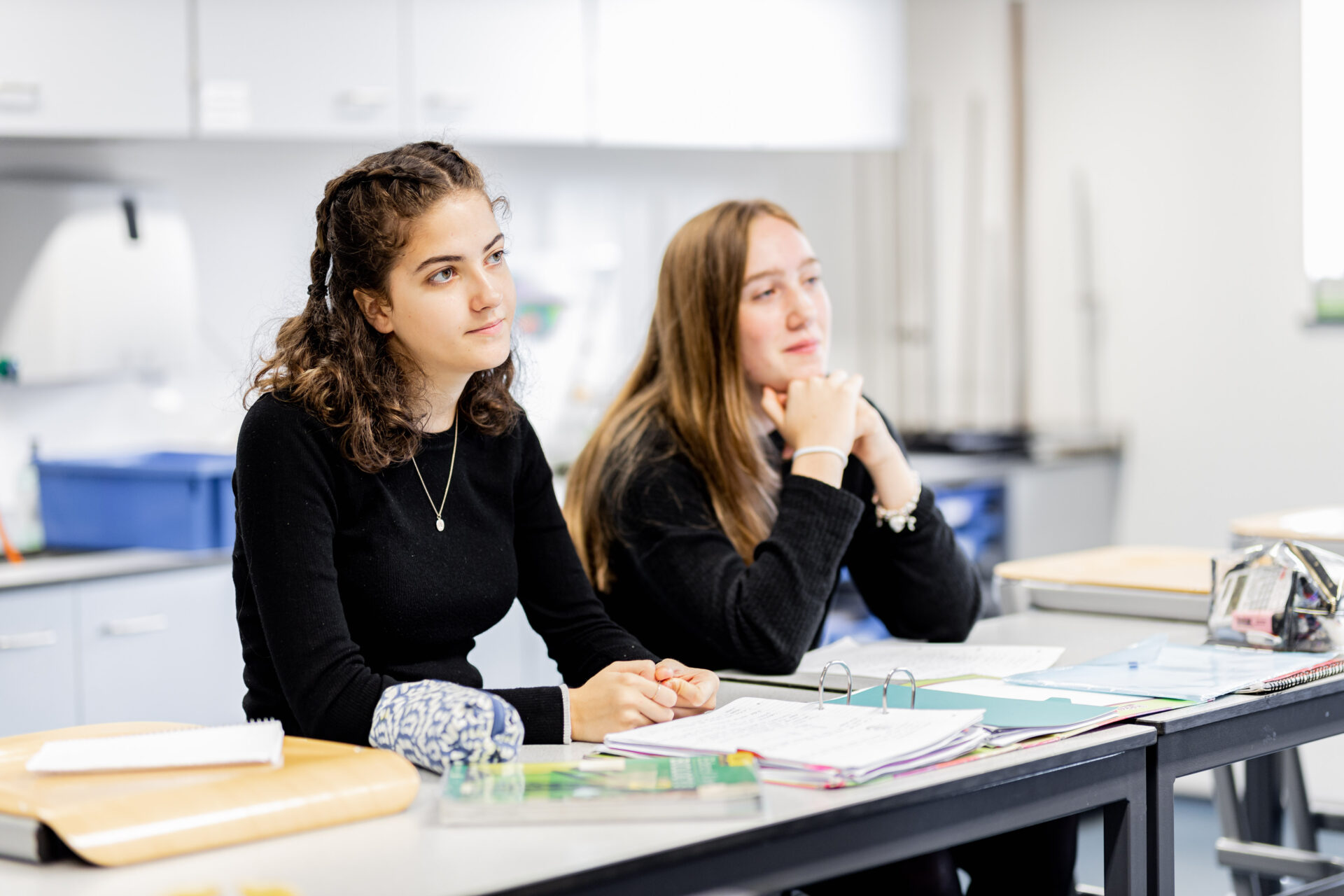
Not every pupil absorbs information in the same way, and while studying hard is important, studying smart matters just as much. Understanding your personal learning style helps you choose the revision techniques that actually work for you.
Consider which of these resonates most:
- Visual learners often benefit from colour-coded notes, mind maps, diagrams and timelines that help them see connections between ideas at a glance
- Auditory learners tend to retain information more effectively through discussion, reading aloud, recording summaries to play back, or teaching a concept to someone else
- Kinaesthetic learners typically learn best through practical activities, hands-on examples and movement, such as walking while reviewing flashcards
Most pupils benefit from a combination of approaches, and the most effective revision techniques tend to work well across learning styles. Experimenting with different methods and paying attention to which ones lead to genuine understanding is time very well spent.
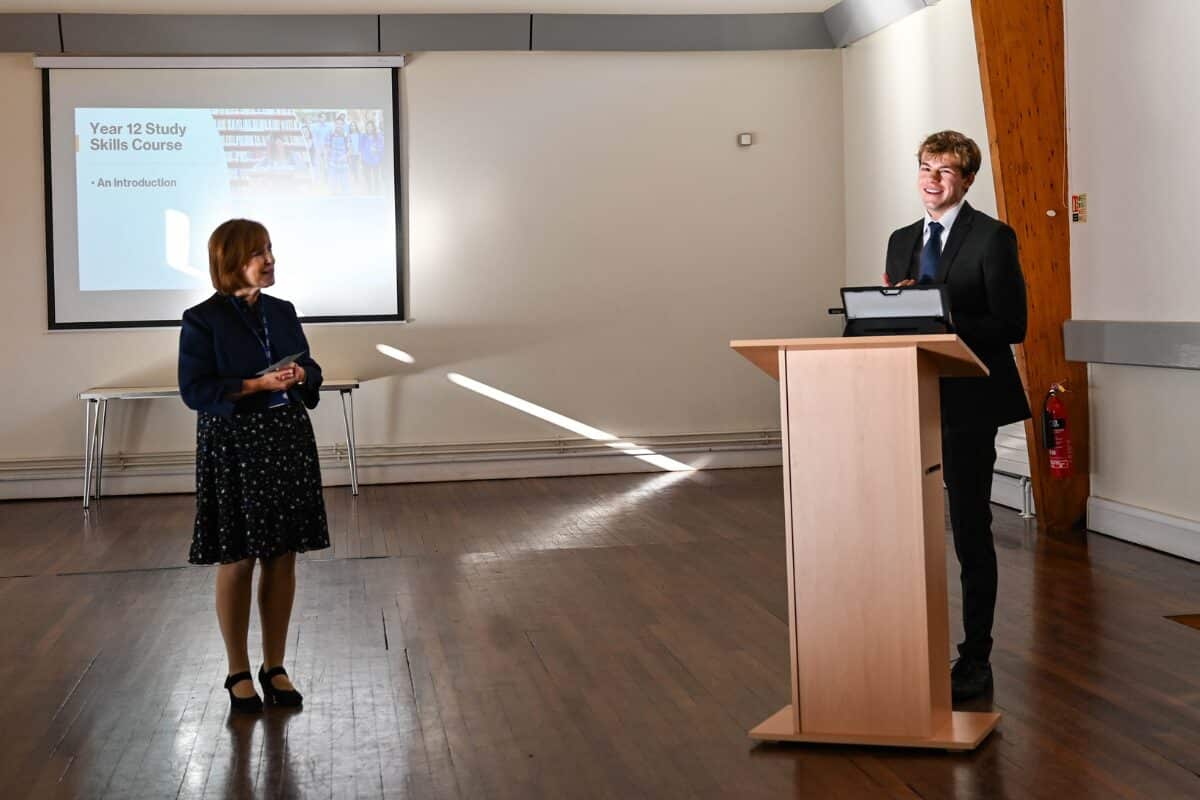
If you are not sure where to start, structured guidance can make an enormous difference. At Luckley House, our Six-Week Study Skills Course supports Sixth Form students as they navigate the increased independence and academic demands of A Level study, helping them develop strategies that work specifically for them.
4. Develop Strong Time Management Skills
Academic pressure often increases when pupils feel overwhelmed by deadlines, homework and co-curricular commitments. Effective time management is less about rigid scheduling and more about reducing the mental load of constantly deciding what to do next.
Good organisation helps pupils balance responsibilities more confidently and prevents work from becoming unnecessarily stressful.
Useful time management strategies include:
- Using a planner, wall calendar or digital app to map out deadlines several weeks in advance
- Setting clear priorities at the start of each week and revisiting them regularly
- Beginning assignments early, even with a rough outline or first draft, to avoid the pressure of starting from scratch close to a deadline
- Avoiding multitasking, which often reduces quality and increases mistakes
- Scheduling regular breaks using techniques such as the Pomodoro method (25 minutes of focused work followed by a short break)
Most importantly, pupils should also schedule downtime. Rest is not unproductive; it is essential for maintaining focus and long-term motivation.
5. Ask for Help Early
One of the most impactful things a student can do is ask for help before a small difficulty becomes a significant gap in understanding.
The reality is that confusion is a normal and inevitable part of learning. Addressing uncertainty early, whether through a conversation with a teacher, support from parents, or working through a problem alongside classmates, helps pupils maintain confidence and momentum rather than becoming increasingly discouraged.
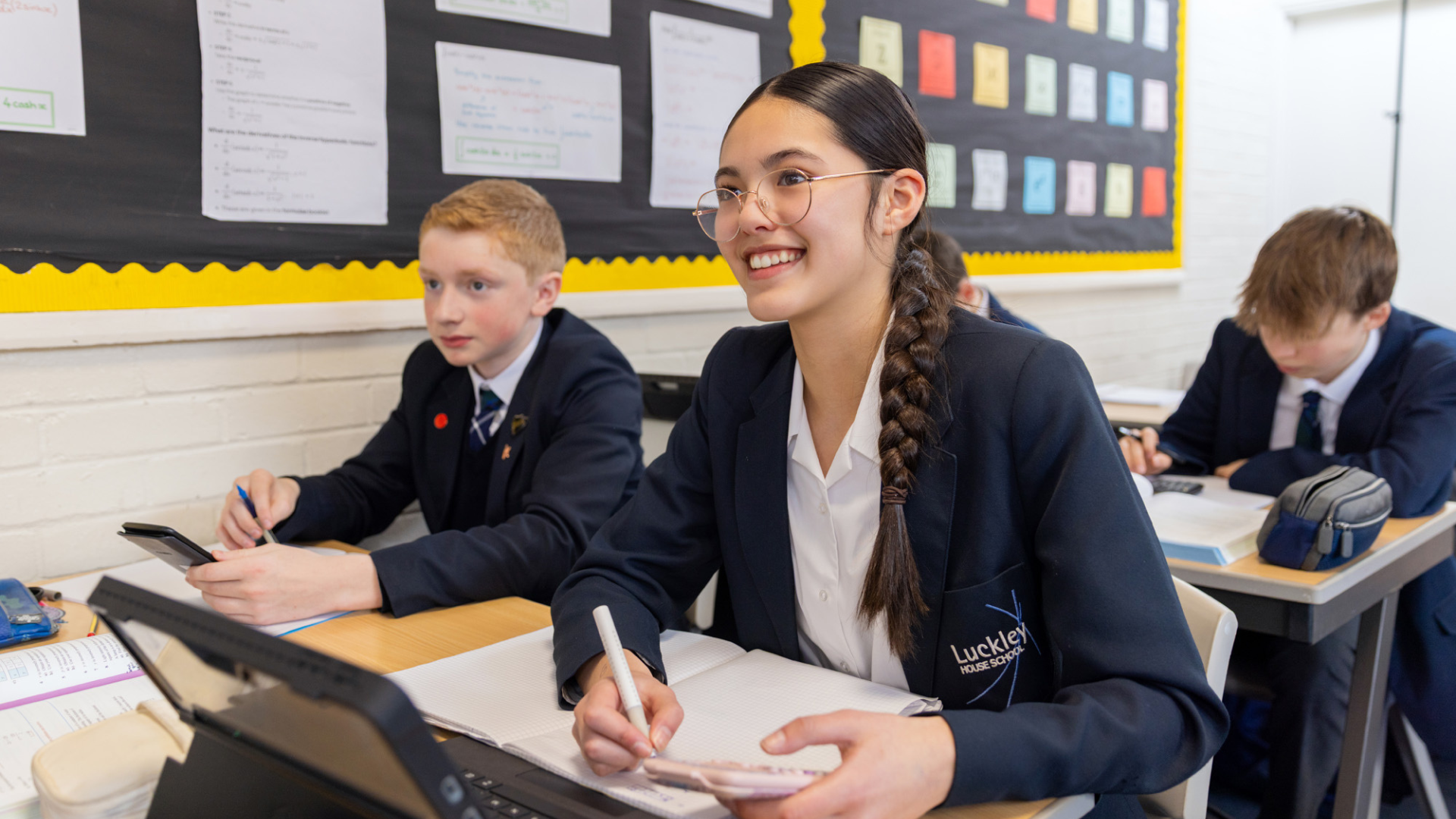
Smaller class sizes can make a difference here. At Luckley House, teachers know pupils as individuals, allowing them to identify when someone may need additional support or encouragement before challenges escalate. This personalised approach helps create an environment where pupils feel comfortable asking questions, contributing to classroom discussions and developing confidence in their own abilities.
6. Stay Involved Beyond the Classroom
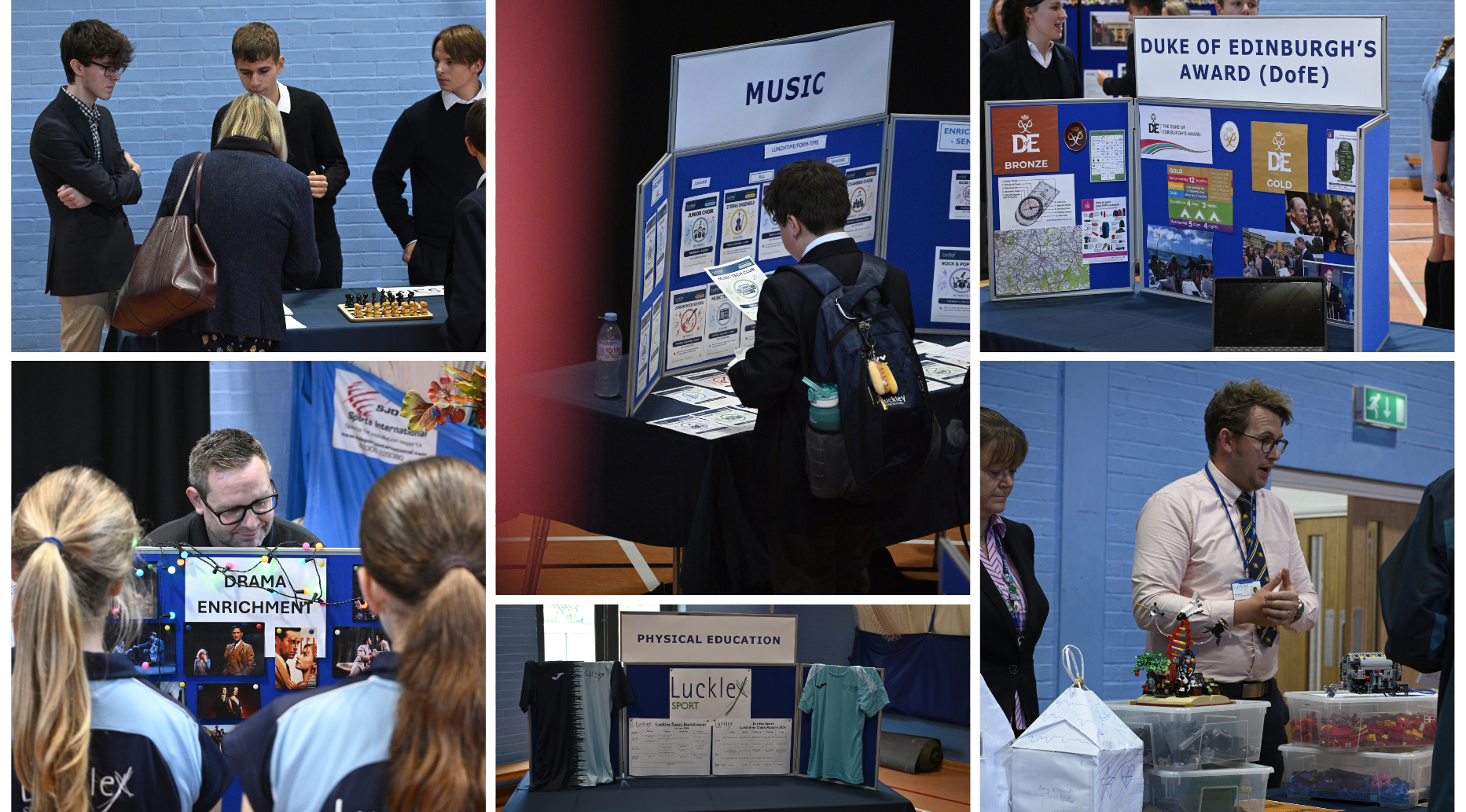
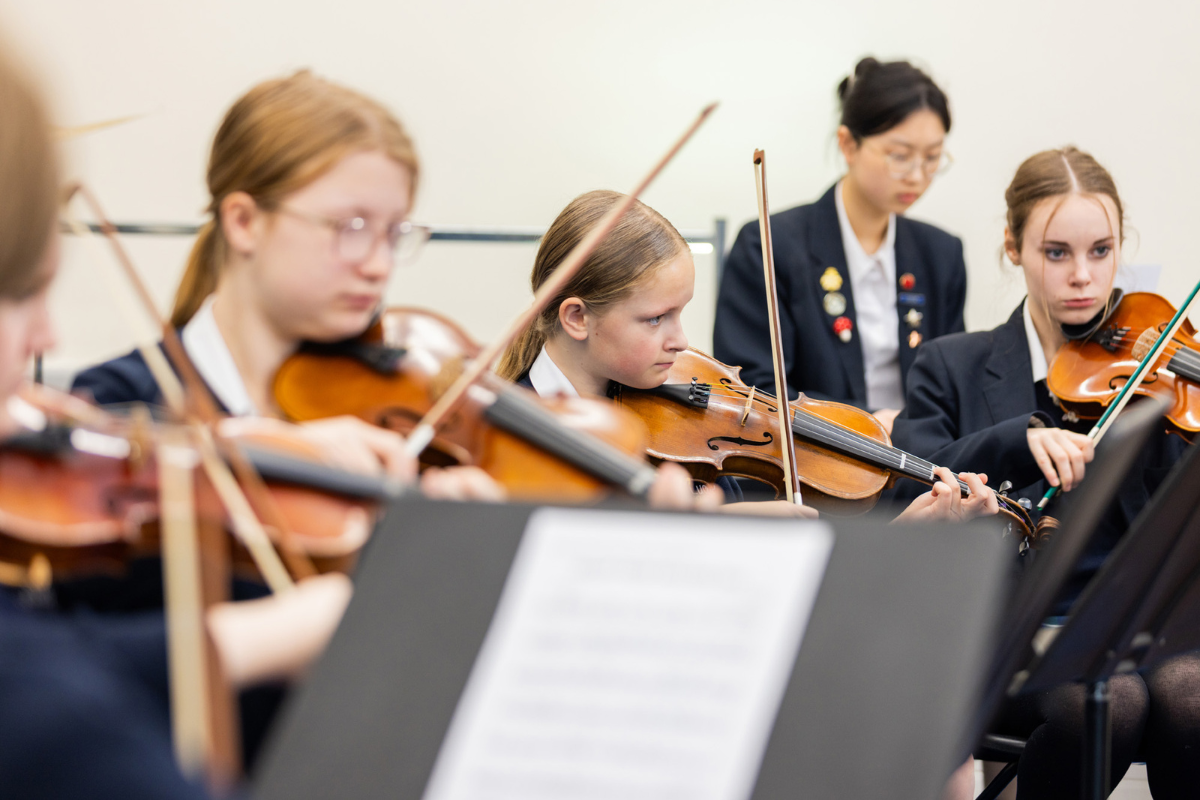
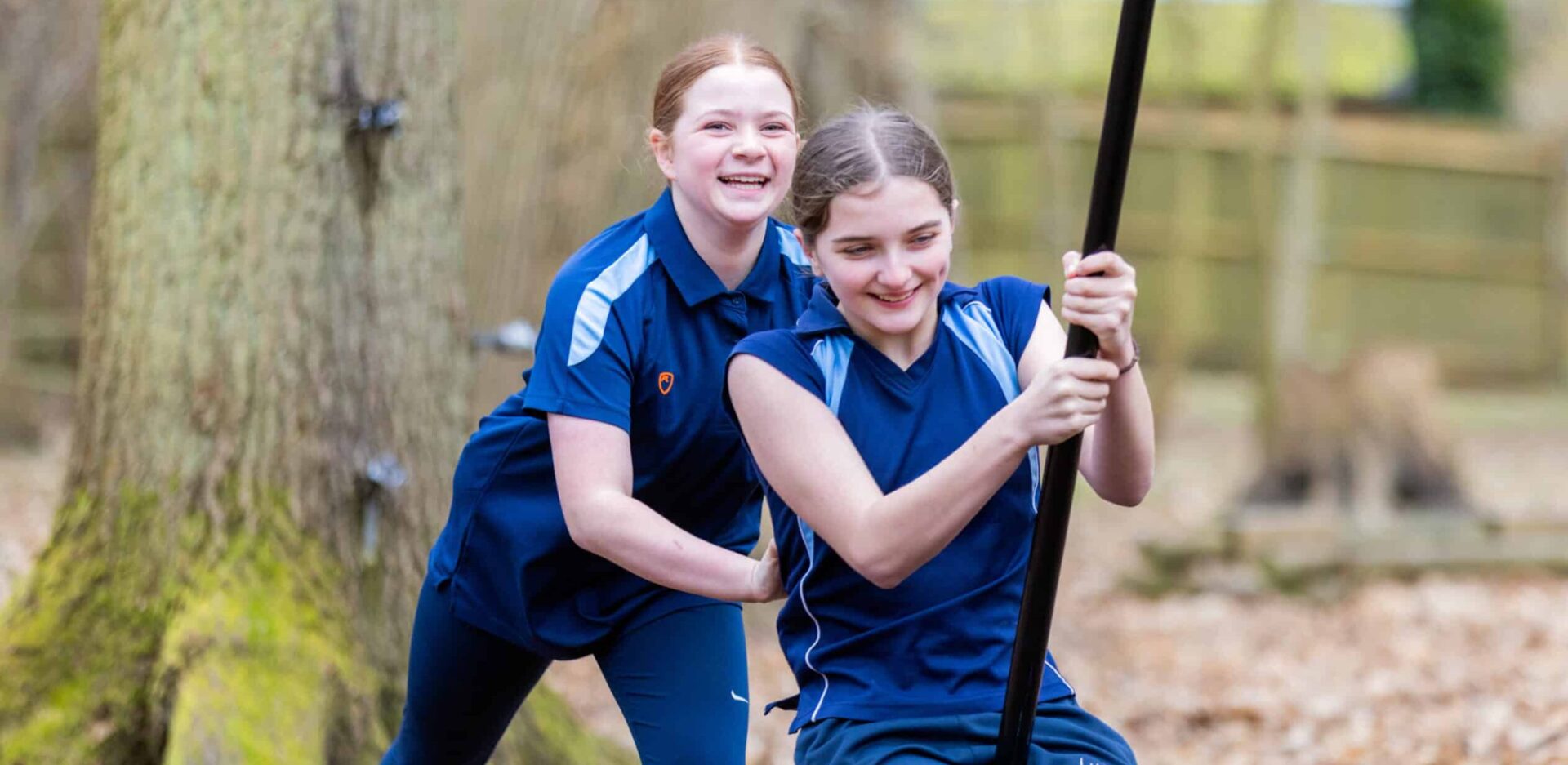
Academic performance is shaped by more than classroom learning alone. Participation in sport, music, drama, clubs, debating, community service and leadership opportunities all help develop the skills and character traits that translate directly into stronger academic engagement.
Pupils involved in a range of activities often:
- Develop stronger communication and collaboration skills
- Build self-esteem and a clearer sense of personal identity
- Learn perseverance and how to respond constructively to setbacks
- Improve their ability to manage time and responsibilities
- Return to academic work with renewed focus and energy
At Luckley House, academic achievement sits alongside rich co-curricular opportunities in the arts, sport and wider personal development. We believe education should prepare young people not only for examinations, but for life in all its complexity. The confidence developed on a sports pitch, a stage or through leadership opportunities frequently carries back into the classroom.
7. Focus on Progress, Not Perfection
Perfectionism can become a significant barrier to academic progress. Pupils who place excessive pressure on themselves to get everything right first time are often more likely to avoid challenging tasks, procrastinate over starting work, or become disproportionately discouraged by disappointing results.
A growth mindset encourages pupils to see perceived mistakes not as evidence of failure, but as part of the learning process itself. Challenges become opportunities to improve understanding, build resilience and develop confidence over time.
Parents can help support this mindset by:
- Praising effort as well as outcomes
- Encouraging persistence when work becomes difficult
- Helping children reflect on progress over time
- Avoiding comparisons with peers or siblings
Every pupil has a unique combination of strengths, interests and ambitions. Exam results are important, but they are only one measure of growth and achievement.
8. Create the Right Learning Environment
The environment in which a young person learns has a profound effect on motivation, confidence and academic performance. This goes beyond having a tidy desk or a quiet room, although both can certainly help. The emotional climate surrounding a student’s education matters just as much.
Pupils are far more likely to take academic risks, ask questions and persevere through challenges when they feel:
- Supported rather than pressured
- Encouraged to be themselves
- Challenged appropriately
- Part of a positive and respectful community
- Known and valued as individuals
Strong pastoral care, positive relationships with teachers and personalised support all contribute to stronger academic outcomes because pupils feel secure enough to engage fully with their learning.
At Luckley House, our pastoral approach ensures that when something is affecting a pupil’s confidence, wellbeing or ability to learn, it is recognised and addressed early. The result is an environment where pupils feel known, supported and motivated to achieve their potential.

There is no single formula for academic success because every pupil is different. What works for one pupil may not suit another, and the path to strong outcomes looks different for everyone. However, the foundations remain consistent: good study habits, strong wellbeing, effective time management and a supportive environment in which to grow.
Academic performance improves most sustainably when pupils are given the confidence to believe in their own ability, the freedom to explore their interests and the encouragement to work through challenges as they arise.
Interested in finding out more about life at Luckley House School? We warmly welcome families to visit our campus in Wokingham, Berkshire, and experience our community first-hand.
Visit Luckley