For many pupils, procrastination can be familiar. You may sit down intending to start your homework or revision, only to find yourself checking your phone, tidying your desk or deciding that another task suddenly feels much more important.
Most people procrastinate from time to time, particularly when a task feels difficult. While putting something off can bring a little short-term relief, it often means having to complete the same work later with less time and more pressure.
The good news is that procrastination is a habit that can be managed. By understanding what makes you put tasks off and using a few simple strategies, it is possible to make starting feel easier and develop more effective study habits.
In this blog, we will explore why we procrastinate and share some practical ways to help you get started, stay focused and feel more in control of your workload.
1. Understand why you are putting something off
Often, there is a reason why a particular task feels difficult to begin.
You might be unsure where to start, worried that the work will be difficult or concerned that you will not complete it as well as you would like. At other times, the task may simply feel too large to manage, or a deadline may seem far enough away that there is no immediate pressure to begin.
Feeling tired or stressed can also make it harder to concentrate.
When you notice yourself avoiding a piece of work, take a moment to think about what is making it difficult to start. If you do not understand the task, for example, asking your teacher for clarification may be more helpful than repeatedly trying to force yourself to begin. If the task feels overwhelming, breaking it into smaller stages can make it feel much more manageable.
Understanding the reason behind your procrastination can help you choose the right solution.
2. Break larger tasks into smaller steps
A large piece of work can feel daunting when you think about everything that needs to be completed at once. Instead of focusing on the finished task, try identifying the first small step you need to take.
For example, rather than telling yourself to “revise Biology”, you could decide to spend 20 minutes reviewing one topic. Instead of thinking that you need to “write an English essay”, your first step might be to read the question carefully and make a short list of ideas.
Breaking work into smaller sections makes it easier to see where to begin and gives you a clearer sense of progress as you complete each stage.
It can also be helpful to make your goals specific. “Do some revision” is quite difficult to measure, whereas “complete ten Maths questions” or “learn 15 French vocabulary words” gives you a clear and achievable target.
Small amounts of progress quickly add up.
3. Give yourself a short amount of time to begin
Sometimes the hardest part of a task is simply getting started.
If you find yourself repeatedly putting something off, try committing to working on it for just five or ten minutes. Knowing that you only need to concentrate for a short period can make the task feel less daunting.
Once you have started, you may find it easier to continue. Beginning a piece of work often removes some of the uncertainty surrounding it and helps you build momentum.
You can also use timed periods of focused work as part of your usual study routine. Some find that working for 25 or 30 minutes before taking a short break helps them concentrate more effectively than trying to work for several hours without stopping.
The important thing is to find a pattern that allows you to work with purpose while also giving yourself time to rest.
4. Reduce distractions
Phones and other distractions can make it very difficult to concentrate.
Before beginning a task, think about the distractions that are most likely to interrupt you and take simple steps to reduce them.
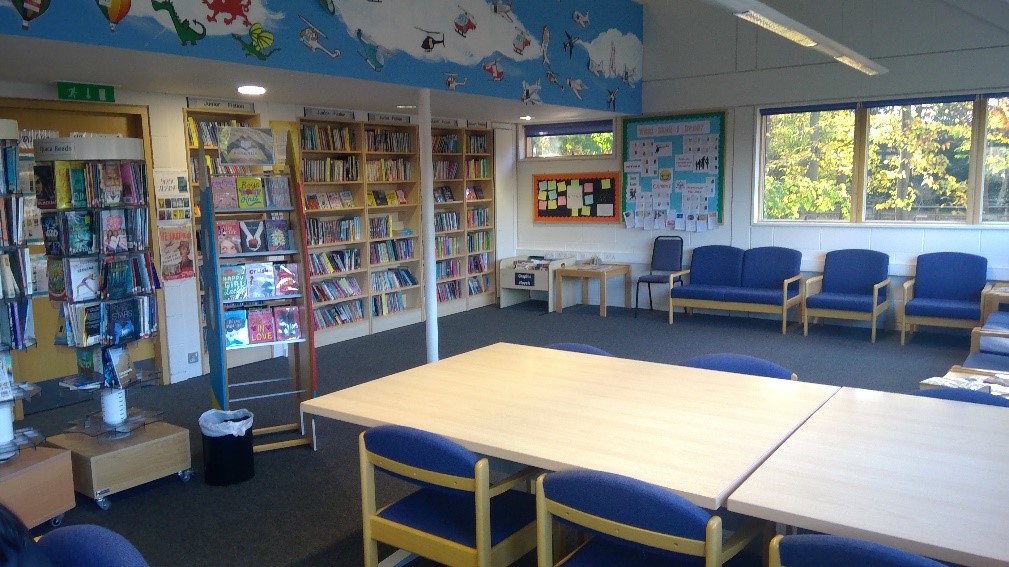
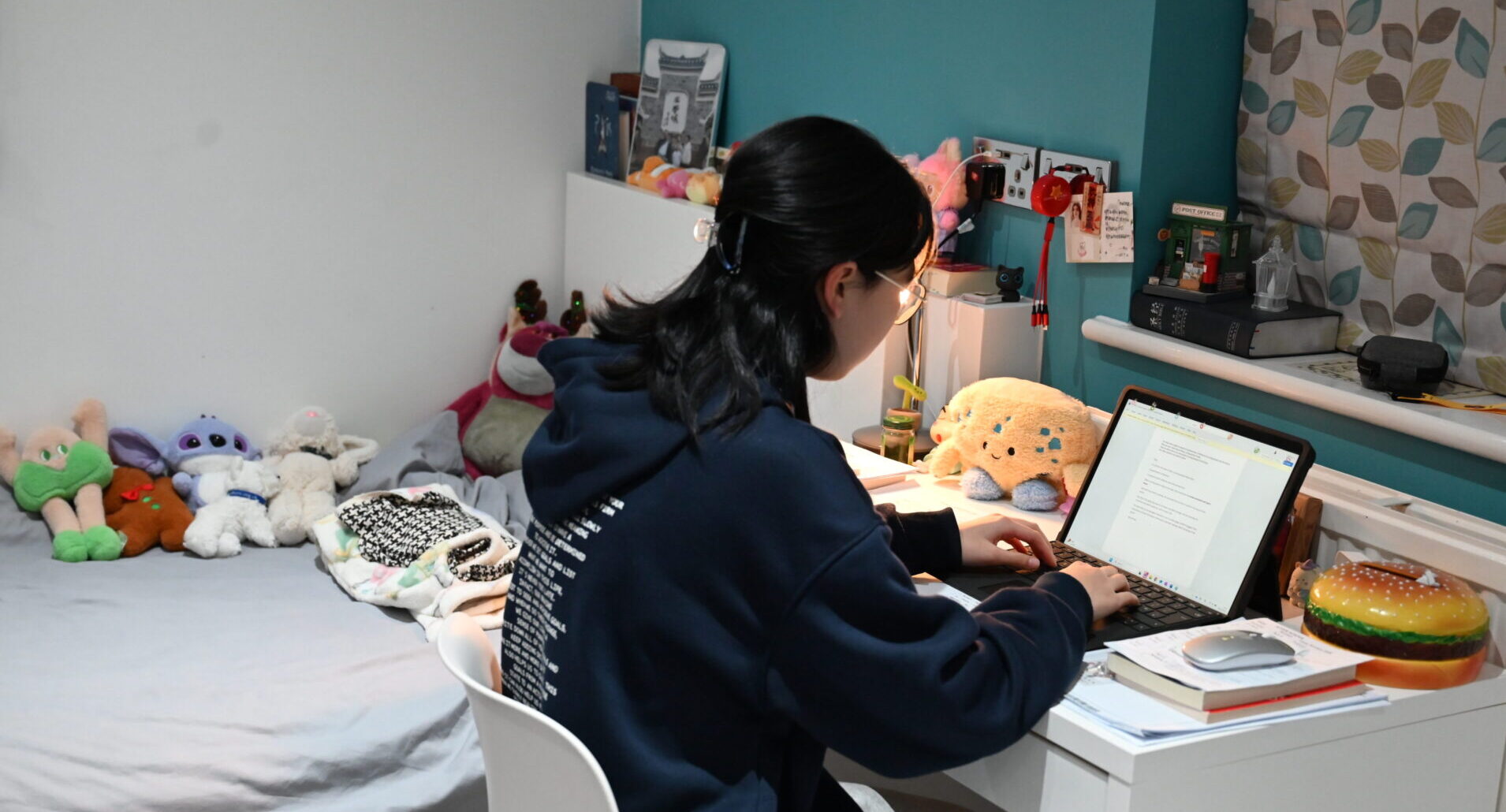
You might put your phone in another room, switch off notifications or close any browser tabs that you do not need. Choosing a quiet place to work, such as the library, and making sure you have your books, stationery and other equipment ready before you begin can also help.
Your working environment does not need to be perfect, but creating a space where it is easier to focus can remove some of the temptation to procrastinate.
It is also worth thinking about when and where you work best. Some pupils prefer complete quiet, while others find it easier to stay focused when working alongside someone else. Understanding what helps you concentrate can make studying feel much more manageable.
5. Create a realistic plan
When you have several pieces of work to complete, it can be tempting to create a long to-do list and hope to work through everything at once. However, an unrealistic list can sometimes leave you feeling more overwhelmed.
Instead, decide which tasks are most important and consider when you will complete them.
Giving work a specific place in your day can make it easier to begin. Making use of supervised prep, for example, can help create a regular routine for completing homework, with a structured but relaxed environment that supports concentration.
Remember to be realistic about how long tasks are likely to take and to include breaks in your plan. Trying to fit too much into one evening can make your workload feel less manageable, so focus on what you can reasonably achieve in the time available.
A good study plan should help you feel organised, rather than adding extra pressure.
6. Try not to let perfectionism stop you from starting
You may feel that you need to know exactly what you want to say before starting an essay, or that every piece of work needs to be completed perfectly on the first attempt. This can make beginning a task feel much more difficult than it needs to be.
Remember that first attempts are supposed to be developed and improved. Writing down some initial ideas, creating a rough plan or making notes gives you something to work with.
You can always edit, improve and refine your work afterwards.
Allowing yourself to make a start without expecting the first version to be perfect can take away some of the pressure and make tasks feel much more approachable.
7. Seek support if you need it
There are times when procrastination may be a sign that you need some additional support.
Perhaps you are struggling to understand a subject, finding it difficult to organise your workload or feeling overwhelmed by several deadlines at once. Trying to manage everything by yourself can make it even harder to get started.
At Luckley House School, pupils are encouraged to ask for help when they need it. Speak to your subject teacher, Form Tutor, or a member of the pastoral team. They can help you clarify what you need to do, prioritise your workload or find an approach that works for you.
Talking through a task can often make it feel far more manageable.
8. Small steps can make a big difference
Procrastination is something almost everyone experiences occasionally, and overcoming it does not mean becoming perfectly productive all the time.
Instead, it is about noticing when you are putting something off and developing strategies that make it easier to begin again.
Breaking work into smaller tasks, reducing distractions, planning your time and giving yourself permission to make an imperfect start can all help you feel more confident and in control of your workload.
At Luckley House School, pupils are supported to develop effective study habits that benefit both their academic progress and their wellbeing. Learning how to manage procrastination is an important part of building those habits.
The next time you find yourself putting something off, you do not need to tackle everything at once. Choose one small, manageable step and begin there. Often, getting started is the most important step of all.